Pest Control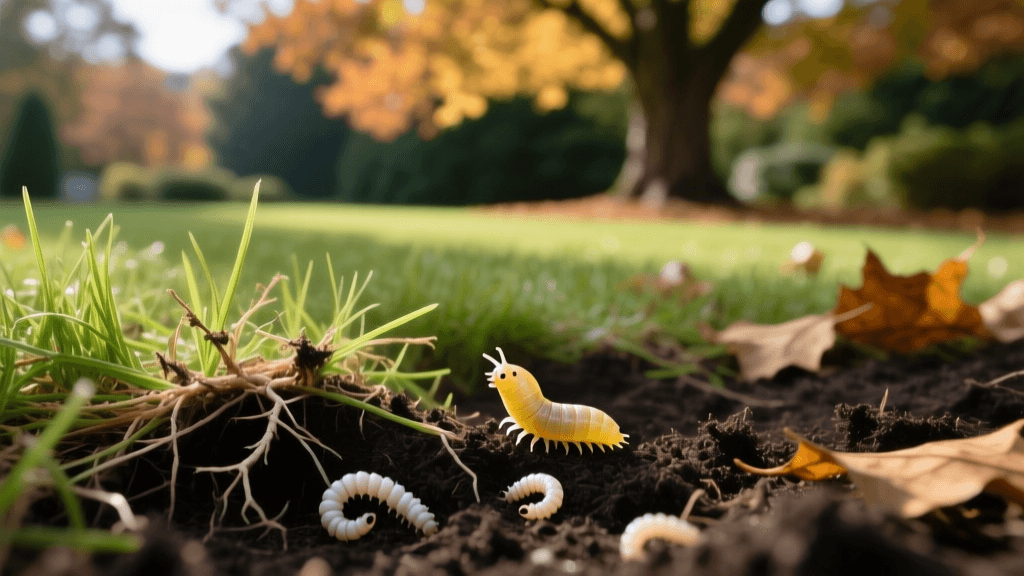
Fall Grub Control: Protect Your Lawn Health Before Winter
The Hidden Threat: White Grubs in Autumn
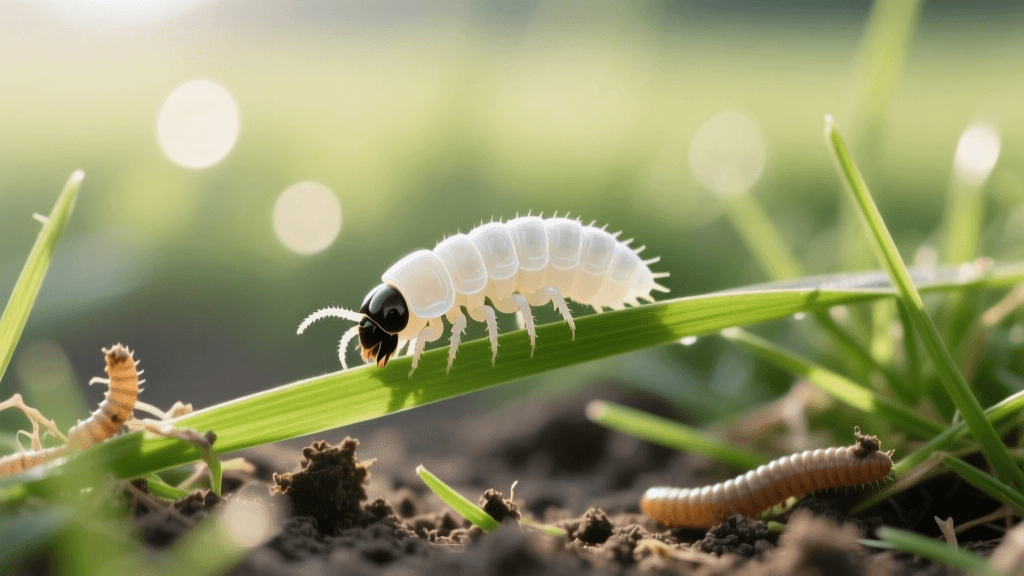
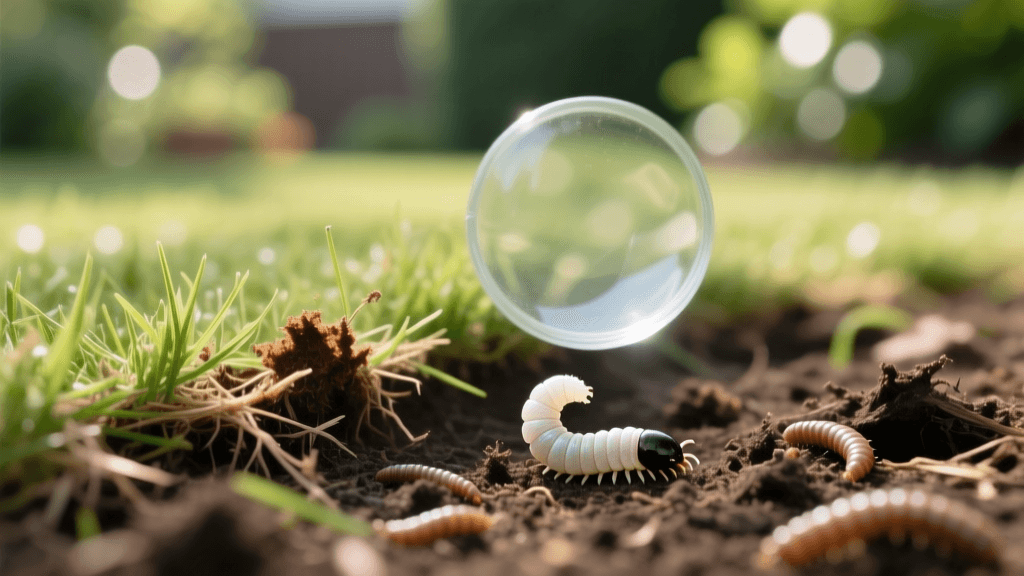
As the air turns crisp and deciduous trees begin to drop their leaves, most homeowners shift their focus away from lawn care, assuming the growing season has ended. But beneath the soil surface, white grubs—the larvae of Japanese beetles, European chafers, and June bugs—are feeding heavily on grass roots. Fall is when these pests do their worst damage, eating root tissue just before the ground freezes. If they go untreated, the lawn may not absorb winterizing nutrients well, and large patches can die off—often only showing up for sure when the snow melts in spring. A targeted Integrated Pest Management (IPM) strategy in the fall helps protect roots and gives your lawn a better shot at coming back strong next year.
Identifying Grub Damage vs. Winter Dormancy
Telling the difference between normal autumn slowdown and actual grub damage can be tricky. Cool-season grasses slow top growth in fall, but their roots stay active. Grub damage, though, shows up in ways that stand out.
- The Tug Test: Grab a handful of brown or thinning grass and pull gently. If the turf lifts easily like carpet with almost no resistance, the roots have likely been cut by grubs.
- Spongy Turf: Walk across your lawn. Areas with grubs often feel soft or spongy underfoot because the soil structure has weakened from larval tunneling.
- Secondary Predator Damage: Skunks, raccoons, armadillos, crows, or starlings may tear up your lawn in fall to feed on grubs. Flipped sod or deep holes are common signs of a serious infestation.
The Seasonal Grub Life Cycle and Fall Vulnerability
Most common lawn grubs complete one life cycle per year. Adult beetles lay eggs in mid-summer; those eggs hatch in late July or August. By early fall—September through October—the grubs reach their third instar stage: the largest and hungriest phase. They’re usually in the top two to three inches of soil, feeding hard on roots to store energy for winter. Because they’re big, active, and near the surface this time of year, fall is the best window for curative treatments—before they dig deeper to avoid freezing temperatures.
Actionable Fall Treatment Strategies
Preventive products like Imidacloprid or Chlorantraniliprole won’t work well in fall—they target young grubs earlier in the summer. For autumn, you need curative treatments that act fast on mature larvae.
Chemical Control: Curative Applications
The go-to curative treatment for fall grubs is Trichlorfon, sold under brand names like Dylox. It’s an organophosphate insecticide that works quickly and breaks down fast in soil, limiting long-term buildup while killing active grubs within 24 to 48 hours.
- Timing: Apply in early to mid-fall (September through early October), when soil temperatures stay above 60°F and grubs are still feeding near the surface.
- Application Rate: Follow the label directions—usually around 1.5 to 2 pounds of active ingredient per acre, or about 1.5 pounds of granular product per 1,000 square feet.
- Watering Requirement: Trichlorfon needs to get into the soil right away. Water with 0.25 to 0.5 inches immediately after application to move it off the grass blades and into the root zone.
- Cost: Expect to pay $15 to $22 per 1,000 square feet for quality granular Trichlorfon.
Organic and Biological Controls
If you prefer organic options, beneficial nematodes are the top choice for fall. The species Heterorhabditis bacteriophora (Hb) hunts down third-instar grubs, enters them, and releases bacteria that kill the pest within 48 hours.
- Timing: Apply in late summer to early fall. Soil temps need to stay above 60°F for nematodes to move and work effectively.
- Application Rate: Use 1 to 2 billion nematodes per acre—or roughly 50,000 to 100,000 per square foot.
- Moisture Management: Nematodes dry out fast. Water the lawn well before applying, then water lightly right after. Keep the soil moist (but not soggy) for 10 to 14 days.
- Cost: Live nematodes cost more—about $25 to $40 per 1,000 square feet.
Comparison Chart: Fall Grub Treatment Options
| Treatment Type | Active Agent | Best Fall Timing | Est. Cost per 1,000 sq ft | Efficacy on 3rd Instar | Environmental Impact |
|---|---|---|---|---|---|
| Curative Chemical | Trichlorfon (Dylox) | Sept - Early Oct | $15 - $22 | High (85-95%) | Moderate (Requires careful water management) |
| Biological Organic | H. bacteriophora Nematodes | Sept - Mid Oct | $25 - $40 | Moderate to High (70-90%) | Low (Naturally occurring, beneficial) |
| Preventive Chemical | Imidacloprid | Ineffective in Fall | $10 - $15 | Very Low (<20%) | Moderate (Systemic, long soil half-life) |
Post-Treatment Lawn Health and Winter Recovery
Killing the grubs is just the first step. Getting the lawn back on solid footing before winter matters just as much. Once the immediate threat is gone, focus on rebuilding root strength.
- Core Aeration: If grub tunneling or animal digging has compacted the soil, core aeration in early fall eases compaction, improves airflow to roots, and helps new seed make good contact with soil.
- Overseeding with Resistant Cultivars: Fill bare spots with endophyte-enhanced turfgrass seeds—like newer tall fescues or perennial ryegrasses. While endophytes mainly deter insects that feed above ground, these grasses tend to grow thick, deep roots that help the lawn hold up better over time.
- Winterizer Fertilization: Apply a late-fall fertilizer high in potassium (K), such as 10-0-14 or 8-2-12. Potassium helps grass cells manage water and handle cold and drying winds. Aim for about 1 pound of nitrogen per 1,000 square feet, applied two to three weeks before the ground is expected to freeze.
Expert Insights and Authoritative Citations
Soil moisture is the single most important factor in making fall grub treatments work. Whether you’re using trichlorfon or beneficial nematodes, the treatment needs to reach the root zone where grubs are feeding. Also, keep thatch under 0.5 inches. Too much thatch blocks treatments and gives pests a place to hide, which can undo your efforts.
— Adapted from the Penn State Extension guidelines on White Grub Management in Turfgrass.
The Penn State Extension points out that Integrated Pest Management isn’t just about eliminating pests—it’s about supporting turfgrass so it can resist and bounce back from stress. Pairing fall treatments with smart watering and thatch control helps break the grub life cycle and keeps your lawn’s foundation strong.
Conclusion
Fall grub control pays off in spring. Spotting the signs, choosing the right curative treatment—chemical or organic—and following up with steps to rebuild root health gives your lawn its best chance at surviving winter intact. Don’t wait until things look bad next year. A few well-timed actions this autumn can keep your turf healthy and green for seasons to come.