Pest Control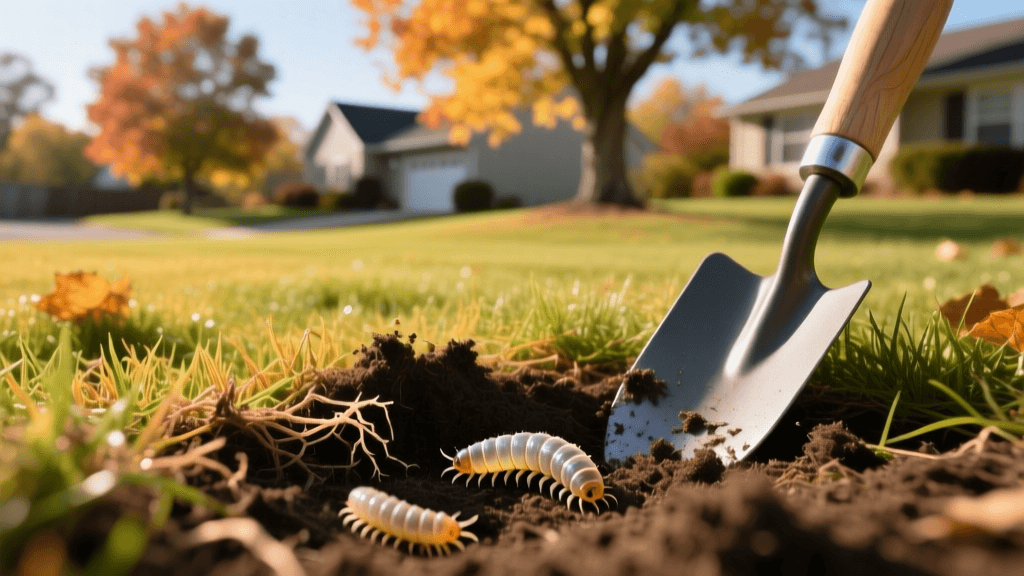
Fall Grub Control and Lawn Recovery: A Seasonal Guide
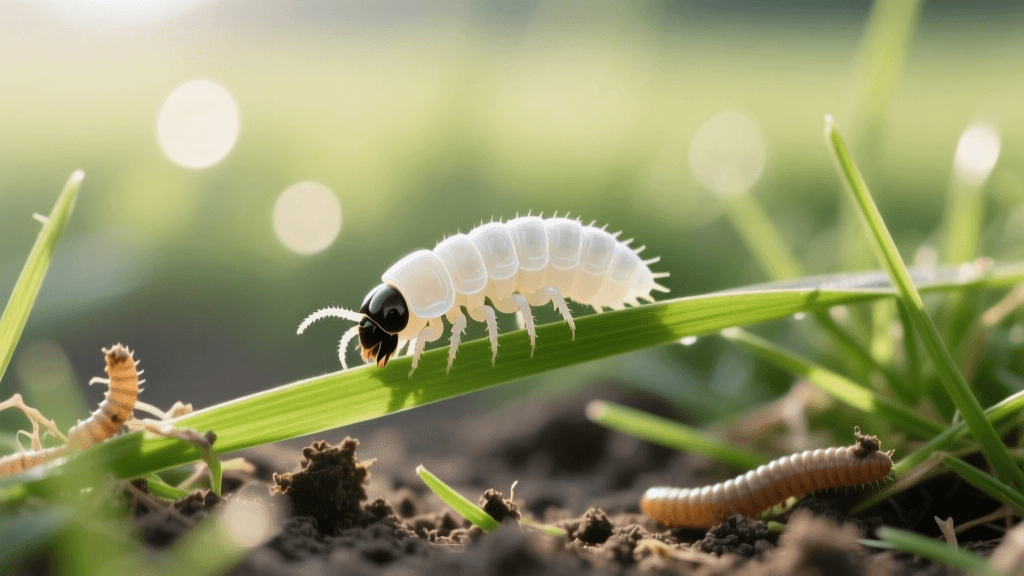
As autumn arrives and daytime temperatures begin to cool, many homeowners mistakenly believe their lawn care duties are coming to an end. However, fall is arguably the most critical season for turfgrass health and integrated pest management (IPM). Beneath the surface of your autumn lawn, a hidden threat may be actively destroying the root system of your grass: white grubs. These C-shaped larvae are the immature stages of various scarab beetles, including Japanese beetles, June bugs, and European chafers. If left unchecked, fall grub feeding can devastate your turf, leading to severe winter kill and a patchy, weed-infested lawn the following spring.
From a seasonal maintenance perspective, addressing grub populations in the early fall is vital for preserving turf vigor. This comprehensive guide will walk you through identifying grub damage, executing targeted curative treatments, and implementing essential lawn recovery practices to ensure your grass enters winter dormancy in peak health.
Identifying Grub Damage vs. Seasonal Dormancy
In the fall, it is common for certain grass species, such as Kentucky bluegrass and fine fescues, to exhibit browning or slowed growth as they prepare for winter dormancy or respond to autumn drought stress. Distinguishing between environmental stress and active grub feeding is the first step in seasonal pest control.
White grubs feed aggressively on turfgrass roots from late summer through mid-autumn before migrating deeper into the soil profile to overwinter. Without a robust root system, the grass cannot uptake water or nutrients, resulting in irregular brown patches that feel spongy underfoot. To confirm a grub infestation, utilize these diagnostic field tests:
- The Tug Test: Walk to the edge of a brown, damaged patch and grasp a handful of grass blades. Pull gently but firmly. If the turf rolls back easily like a loose carpet, the roots have been severed, strongly indicating grub activity.
- The Peel-Back Test: Use a flat-edged spade to cut three sides of a 12-by-12-inch square of sod at the edge of a damaged area. Peel the sod back and inspect the top two to three inches of soil. Count the number of grubs present.
- Wildlife Indicators: An influx of foraging animals is a secondary biological indicator. If you notice flocks of starlings and crows pecking at your lawn, or if you find patches of turf ripped up by skunks, raccoons, or armadillos, they are likely digging for a protein-rich grub buffet.
The Economic and Turf Health Threshold
Not every grub requires immediate chemical intervention. Integrated Pest Management (IPM) relies on established thresholds to determine when treatment is economically and ecologically justified. According to turfgrass entomologists at the Penn State University Extension, a healthy, well-maintained lawn can typically tolerate a low population of grubs without suffering visible damage.
Treatment is generally only warranted when grub populations exceed 5 to 10 grubs per square foot in a healthy lawn, or 3 to 5 grubs per square foot in stressed or newly established turf. - Penn State Extension, 'White Grubs in Turfgrass'
If your peel-back test reveals populations below this threshold, focus on cultural practices to improve lawn health rather than reaching for pesticides. However, if you exceed the threshold, immediate curative action is required to save the autumn turf.
Seasonal Treatment Strategies: Curative vs. Biological
Because preventative products (like Imidacloprid) applied in early summer lose their efficacy by early autumn, fall pest control requires fast-acting curative treatments or specialized biological agents. Your choice depends on the severity of the infestation, your budget, and your commitment to organic lawn care.
Fast-Acting Curative Chemical Controls
When grub damage is severe and immediate cessation of feeding is necessary to save the lawn before winter, synthetic curative insecticides are the most reliable option. The industry standard for fall curative treatment is Trichlorfon, widely available under the brand name Dylox.
Trichlorfon is a fast-acting organophosphate that penetrates the soil quickly and begins killing grubs within 24 to 72 hours. For optimal results, apply Dylox at a rate of 2 to 3 pounds of active ingredient per 1,000 square feet. It is crucial to water the product in immediately with at least a half-inch of irrigation to move the active ingredient into the root zone where the grubs are feeding. A 40-pound bag of granular Dylox typically costs between $50 and $70, making it a cost-effective solution for severe outbreaks. Note that Trichlorfon breaks down rapidly in alkaline soils (pH above 7.5), so testing your soil pH is a recommended seasonal maintenance step prior to application.
Biological Controls: Beneficial Nematodes
For homeowners practicing strict organic lawn care, beneficial nematodes offer a highly effective, environmentally friendly curative option. Specifically, the Heterorhabditis bacteriophora (Hb) species of nematode is a natural parasite that seeks out and destroys white grubs in the soil.
Timing and soil conditions are critical for nematode success. They must be applied in early fall when soil temperatures are consistently above 60 degrees Fahrenheit. The nematodes are sold in liquid suspensions or sponges and must be applied using a hose-end sprayer in the late afternoon or evening to protect them from UV degradation. A standard application costs approximately $40 to $60 per 10 million nematodes, which covers roughly 3,000 square feet. While slightly slower than Trichlorfon, Hb nematodes provide excellent control within 7 to 14 days and improve the overall biological health of your soil ecosystem.
Fall Grub Control Product Comparison Chart
| Treatment Method | Active Agent | Best Fall Timing | Est. Cost per 1,000 sq ft | Speed of Control | IPM Classification |
|---|---|---|---|---|---|
| Dylox (Granular) | Trichlorfon | Early to Mid-Fall | $15 - $25 | 1 - 3 Days | Curative Chemical |
| Hb Nematodes | Heterorhabditis bacteriophora | Early Fall (Soil >60F) | $13 - $20 | 7 - 14 Days | Biological / Organic |
| Milky Spore | Paenibacillus popilliae | Not recommended for Fall | $10 - $15 | 1 - 3 Years | Long-term Biological |
| Acelepryn | Chlorantraniliprole | Late Spring / Early Summer | $8 - $12 | Preventative Only | Preventative Chemical |
Restoring Lawn Health Post-Treatment
Eradicating the grub population is only half the battle. From a seasonal maintenance perspective, you must immediately address the structural and nutritional damage left behind to ensure your lawn survives the winter and thrives the following spring.
Core Aeration and Soil Decompaction
Grub feeding destroys the root matrix, which can lead to soil compaction and poor water infiltration. Performing core aeration in the early fall is a vital recovery step. By pulling 2-to-3-inch plugs of soil from the lawn, you relieve compaction, improve oxygen flow to surviving roots, and create direct pathways for water and nutrients. Aeration also breaks up thatch layers where adult beetles prefer to lay their eggs, acting as a secondary cultural deterrent for future generations.
Overseeding for Turf Density
Bare patches left by grub damage are an open invitation for opportunistic weeds like Poa annua and crabgrass to germinate in the spring. Immediately following aeration and grub treatment, overseed the damaged areas with a resilient, region-appropriate grass seed. For cool-season lawns, a blend of Tall Fescue and Kentucky Bluegrass is highly recommended. Tall fescue possesses a deep, robust root system that is naturally more tolerant of minor insect feeding, while Kentucky bluegrass provides aggressive rhizomatous spreading to fill in voids. Apply seed at a rate of 5 to 8 pounds per 1,000 square feet for overseeding, and keep the top inch of soil consistently moist until germination occurs.
Targeted Autumn Fertilization
To fuel root regeneration before the ground freezes, apply a high-quality fall winterizer fertilizer. Look for a formulation with a high nitrogen-to-potassium ratio, such as 18-24-12 or 32-0-10. The nitrogen will promote rapid blade and root recovery, while the potassium is essential for cellular winterization, improving the grass's cold hardiness and drought tolerance. Apply the fertilizer at a rate of 1 pound of actual nitrogen per 1,000 square feet roughly four to six weeks before your region's first expected hard frost.
Looking Ahead: Preventative Maintenance for Next Season
While curative treatments save your lawn in the fall, the cornerstone of long-term IPM is prevention. To avoid the need for harsh curative chemicals next autumn, integrate a preventative grub control application into your late spring or early summer maintenance schedule.
Products containing Chlorantraniliprole (brand name Acelepryn) or Imidacloprid (Merit) are highly effective when applied between June and July. These systemic insecticides are taken up by the grass roots and kill young, newly hatched grubs before they can cause significant damage. Acelepryn is particularly favored in modern IPM programs because it is highly targeted, poses minimal risk to beneficial pollinators and earthworms, and provides season-long residual control.
By combining proactive summer prevention with rigorous fall cultural practices—such as aeration, proper mowing heights (never scalping the lawn below 3 inches), and deep, infrequent watering—you build a resilient turf ecosystem. A thick, healthy lawn with a massive root system is your ultimate, natural defense against the destructive cycle of white grubs.