Pest Control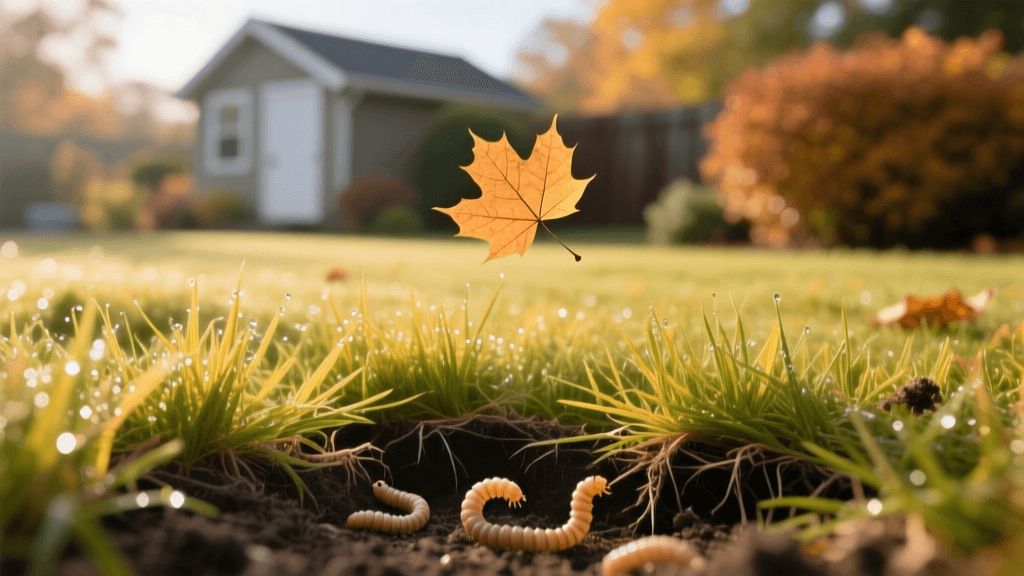
Fall Grub Control: Seasonal IPM for a Healthy Lawn
Understanding the Autumn Grub Threat
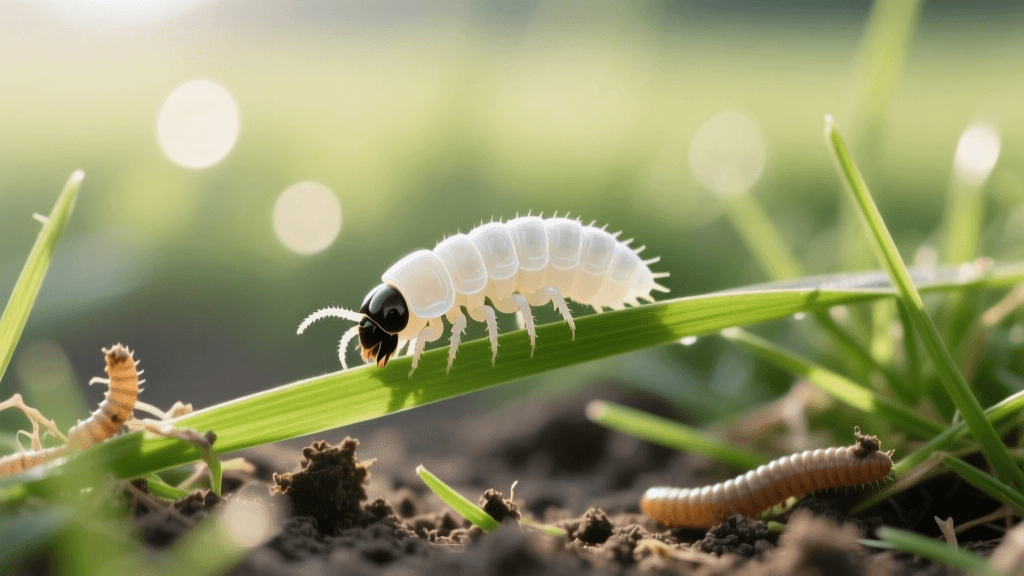
As the late summer heat begins to wane and autumn approaches, a hidden threat lurks just beneath the surface of your soil: white grubs. These C-shaped, cream-colored larvae are the immature stage of scarab beetles, including the notorious Japanese beetle, European chafer, and Oriental beetle. From a seasonal maintenance and lawn health perspective, fall is a critical window. During late summer and early autumn, grubs are in their third and final larval instar, meaning they are at their largest, most destructive, and most voracious stage of development.
These pests feed aggressively on the root systems of cool-season turfgrasses like Kentucky bluegrass, perennial ryegrass, and tall fescue. By severing the roots from the soil profile, grubs effectively cut off the plant's ability to uptake water and nutrients. If left unchecked, a severe grub infestation will lead to massive turf die-off just as your lawn is attempting to store carbohydrates for winter dormancy, severely compromising its spring recovery and overall long-term health.
Diagnosing Grub Damage: The Tug Test and Scouting
Before reaching for chemical controls, a core tenet of Integrated Pest Management (IPM) is accurate identification and damage assessment. Grub damage in early fall often mimics drought stress. You may notice irregular patches of turf turning gray-green, then yellow, and finally brown. However, unlike drought-stressed grass that remains firmly rooted, grub-damaged turf feels spongy underfoot and detaches easily from the soil.
The Tug Test
To confirm grub activity, perform the "tug test" on the margins of damaged patches where the grass is just beginning to yellow:
- Grip a handful of grass at the base.
- Pull upward with steady, moderate pressure.
- If the turf rolls back like a loose carpet, exposing the soil beneath, grubs have likely severed the root system.
- Inspect the top 2 to 3 inches of soil and the thatch layer for the presence of white, C-shaped grubs.
The Soap Flush Scouting Method
If the tug test is inconclusive, use a soap flush to force grubs to the surface. Mix 2 tablespoons of lemon-scented dish soap into 2 gallons of water. Pour this solution over a 1-square-foot area of suspected damage. Wait 10 minutes and count the grubs that emerge or become visible in the top inch of the soil.
Integrated Pest Management: Evaluating the Threshold
A healthy, vigorously growing lawn can tolerate a surprising number of grubs without showing visible damage. IPM relies on economic and aesthetic injury thresholds rather than total eradication. According to turfgrass entomologists, the threshold for treatment depends on the overall health of your lawn and the species of grub present.
- Healthy, well-irrigated lawns: Can typically withstand 10 to 15 grubs per square foot.
- Stressed or poorly maintained lawns: May show damage with as few as 5 to 7 grubs per square foot.
- European Chafer grubs: Tend to be more destructive than Japanese beetle grubs, meaning the threshold for treatment should be lowered by about 20% if chafers are identified.
If your scouting reveals numbers below the threshold, focus on seasonal lawn health practices—such as proper fall fertilization and deep, infrequent watering—to help the turf outgrow the damage.
Curative Fall Treatments: Organic vs. Chemical
If your scouting confirms that grub populations exceed the damage threshold, curative action is required. Unlike preventative products applied in late spring, fall curative treatments must act quickly to stop the large, third-instar grubs before they cause irreversible root loss or burrow deep into the soil for winter hibernation.
| Treatment Type | Active Ingredient / Organism | Speed of Control | Est. Cost (per 5,000 sq ft) | Best Application Timing |
|---|---|---|---|---|
| Biological (Organic) | Beneficial Nematodes (Heterorhabditis bacteriophora) | 3 to 7 days | $25 - $40 | Early Fall (Soil > 60°F) |
| Chemical Curative | Trichlorfon (e.g., Dylox) | 24 to 48 hours | $15 - $22 | Early to Mid-Fall |
| Chemical Preventative* | Chlorantraniliprole (e.g., Acelepryn) | 14 to 21 days | $30 - $45 | Late Summer / Early Fall |
*Note: Preventative products are generally less effective as curatives in late fall once grubs are large, but can be used in early autumn for smaller, newly hatched grubs.
Applying Beneficial Nematodes (Hb)
For homeowners committed to organic lawn care, beneficial nematodes are the premier biological control for fall grubs. Specifically, you must seek out the Heterorhabditis bacteriophora (Hb) species, as it actively hunts and infects grub larvae, whereas other nematode species are better suited for different pests.
Application Details:
- Viability: Nematodes are living organisms. Purchase them from reputable suppliers who ship with cold packs and apply them immediately upon receipt.
- Soil Temperature: Hb nematodes require soil temperatures of at least 60°F at a 2-inch depth to remain active. Apply in the early evening or on cloudy days to avoid UV degradation.
- Moisture: Irrigate the lawn with 0.25 inches of water before application to soften the soil, and immediately water in the nematodes with another 0.25 inches to wash them off the grass blades and into the root zone.
- Maintenance: Keep the soil consistently moist for 10 to 14 days post-application to allow the nematodes to locate and infect their hosts.
Chemical Curatives: Trichlorfon
When rapid intervention is necessary to save a severely damaged lawn, Trichlorfon (commonly sold under the brand name Dylox) is the industry-standard chemical curative. It is a fast-acting organophosphate insecticide that paralyzes the grub's nervous system.
Application Details:
- Timing: Apply when grubs are actively feeding near the surface (early to mid-fall). Once soil temperatures drop below 50°F, grubs migrate deeper and become inaccessible.
- Watering: Trichlorfon degrades rapidly in high-pH (alkaline) soils. To maximize efficacy, water the granules into the soil immediately after application with 0.5 inches of irrigation.
- Safety: Wear appropriate PPE (gloves, long sleeves) and keep pets and children off the lawn until the treated area is completely dry.
Seasonal Lawn Recovery: Restoring Root Health
Pest control is only half the battle; restoring the lawn's health is the ultimate goal of seasonal maintenance. Once the grub population is neutralized, the turf must regenerate its root system before winter dormancy sets in.
Fall Fertilization
Apply a high-quality, quick-release nitrogen fertilizer to stimulate rapid root and shoot recovery. Look for an N-P-K ratio of 3-1-2 or 4-1-2. Apply at a rate of 1.0 lb of actual nitrogen per 1,000 square feet. For example, if using a 24-8-16 fertilizer, you would apply roughly 4 lbs of product per 1,000 square feet. This late-fall feeding is crucial for storing energy in the roots, ensuring a vigorous green-up the following spring.
Overseeding and Topdressing
If the grub damage resulted in bare patches larger than 4 inches in diameter, overseeding is necessary. Rake away dead thatch, loosen the top half-inch of soil, and sow a premium cool-season seed blend at a rate of 4 to 6 lbs per 1,000 square feet. Lightly topdress with compost to retain moisture and protect the seed, and keep the area consistently damp until germination is complete.
Authoritative Guidance on Grub IPM
Integrating seasonal maintenance with pest control requires a nuanced understanding of turfgrass ecology. Leading agricultural institutions emphasize that a dense, healthy lawn is the best defense against pest outbreaks.
"A healthy, vigorous turf can tolerate more grub feeding than a stressed, poorly maintained lawn. Cultural practices such as proper mowing height, deep and infrequent irrigation, and appropriate fertilization promote a dense root system that can withstand higher grub populations without showing visible damage."
— Penn State Extension, Department of Entomology: Grubs in Lawns
By following the IPM thresholds outlined by university extensions, homeowners can avoid unnecessary chemical applications, preserve beneficial soil biology, and maintain a resilient landscape.
Preparing for Next Season: Spring Preventatives
While fall treatments address the immediate threat, true seasonal health involves forward planning. If your lawn suffered a severe grub infestation this autumn, the adult beetles will likely return to lay eggs in the same area next summer. To break the lifecycle, plan to apply a preventative insecticide containing Chlorantraniliprole (e.g., Scotts GrubEx or Acelepryn) between late April and early June. This product takes several weeks to translocate through the grass roots, creating a toxic barrier that eliminates newly hatched grubs in mid-summer before they can grow large enough to cause autumn damage.
By combining vigilant fall scouting, targeted curative treatments, and robust seasonal recovery practices, you can protect your lawn's root architecture and ensure your turf remains a vibrant, healthy ecosystem year after year.