
Landscaping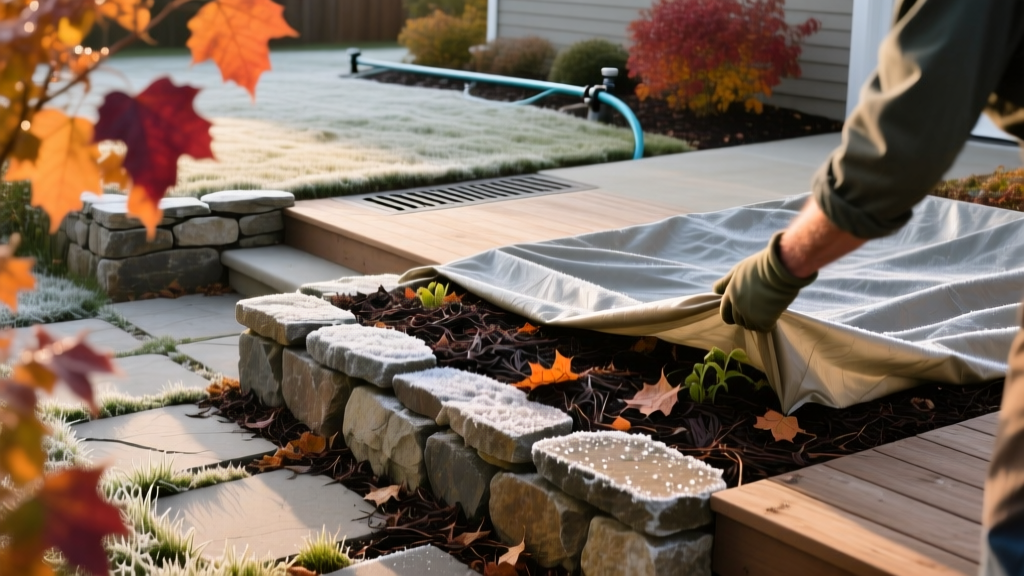
Fall Landscape Winterization: Protect Hardscapes and Beds
David ParkPublished
The Critical Importance of Fall Landscape Winterization
As the vibrant colors of autumn begin to fade and the first hard frost approaches, many homeowners mistakenly believe that landscape maintenance ends when the lawn goes dormant. However, from a seasonal maintenance and plant health perspective, fall is the most crucial time to protect your outdoor investments. Winter weather brings freeze-thaw cycles, harsh desiccating winds, and heavy moisture that can wreak havoc on unprotected hardscapes, garden beds, and irrigation systems.
Proper fall landscape winterization goes far beyond simply raking leaves. It involves a strategic approach to sealing pavers, amending soil, insulating root zones, and blowing out water lines. By dedicating a weekend to these essential tasks, you can prevent thousands of dollars in structural repairs and plant replacement costs come spring. This comprehensive guide will walk you through the exact steps, products, and measurements needed to winterize your landscape effectively.
Hardscape Winterization: Protecting Patios, Walkways, and Walls
Hardscapes, including interlocking concrete pavers, natural stone patios, and segmental retaining walls, represent a significant financial investment. The primary enemy of hardscapes in winter is the freeze-thaw cycle. When water penetrates joints or porous surfaces and freezes, it expands by up to 9%, causing cracking, heaving, and joint erosion.
Deep Cleaning and Efflorescence Removal
Before applying any sealants or jointing sands, your hardscapes must be thoroughly cleaned. Use a pressure washer rated between 1500 and 2000 PSI with a 25-degree fan tip to remove dirt, algae, and organic debris. Avoid using excessive pressure on polymeric sand joints, as this can wash the binder out. If you notice a white, powdery substance on your pavers, this is efflorescence—a natural salt deposit. Treat this with a specialized efflorescence cleaner (such as Techniseal Paver Cleaner) before sealing, as trapping salts under a sealer will cause permanent clouding.
Joint Stabilization and Sealing
Once the surface is completely dry (allow at least 48 hours of sunny weather), inspect the joints. Re-sand any voids using high-quality polymeric sand. Unlike traditional masonry sand, polymeric sand contains water-activated polymers that bind the sand grains together, creating a flexible, water-resistant barrier that deters weeds and ants while allowing for slight thermal expansion.
After the sand has cured, apply a breathable, siloxane-based penetrating sealer. Products like Surebond SB-6000 or Techniseal Natural Look penetrate the pores of the concrete or stone, repelling water and de-icing salts without leaving a slippery, high-gloss film. Professional sealing typically costs between $0.60 and $1.20 per square foot, while DIY application costs roughly $0.25 per square foot for the materials.
Garden Bed Health: Soil Prep and Winter Mulching
The health of your spring landscape is heavily determined by the actions you take in the fall. Garden beds require insulation and nutrient loading to survive freezing temperatures and emerge vigorously in the spring.
Proper Mulching Techniques for Root Insulation
Mulch acts as an insulating blanket, regulating soil temperature and preventing the damaging cycle of freezing and thawing that can heave shallow-rooted perennials out of the ground. Apply a 2 to 3-inch layer of organic mulch, such as shredded hardwood bark or pine needles, over your garden beds. For newly planted trees and shrubs, you can increase this to 4 inches for the first winter.
Crucial Health Warning: Never pile mulch against the trunks of trees or the crowns of perennials. This practice, known as 'volcano mulching,' traps moisture against the bark, inviting fungal pathogens, rot, and rodent damage. Always leave a 3-inch mulch-free buffer zone around the base of woody plants.
Soil Testing and Nutrient Loading
Fall is the ideal time to conduct a soil test and apply slow-release amendments. Because microbial activity slows down in winter, amendments like pelletized lime, elemental sulfur, and bone meal have months to break down and integrate into the soil profile. If your soil test indicates a low pH (below 6.0), apply pelletized lime at a rate of 5 to 10 pounds per 100 square feet to raise the pH and unlock bound nutrients. Top-dressing beds with a half-inch of screened compost will also introduce beneficial microbes that will activate as soon as the soil warms in spring.
Irrigation and Drainage System Blowouts
Water expanding as it freezes is the primary enemy of outdoor plumbing. Even a small amount of trapped water can crack PVC pipes, rupture backflow preventers, and destroy sprinkler heads. An annual irrigation blowout is non-negotiable in climates where temperatures drop below freezing.
Hire a licensed professional to perform a compressed air blowout. The technician will connect an air compressor to your system's mainline and systematically purge each zone. It is vital to monitor the air pressure; the industry standard is to use 50 to 80 PSI for flexible polyethylene piping and up to 100 PSI for rigid PVC. Exceeding these limits can cause catastrophic pipe bursts underground. The average cost for a professional blowout ranges from $75 to $150, depending on the number of zones. Additionally, ensure all above-ground components, like backflow preventers, are drained and wrapped in insulated foam covers.
Protecting Vulnerable Shrubs and Trees
Winter desiccation occurs when evergreens lose moisture through their needles or leaves faster than they can absorb it from frozen soil. Broadleaf evergreens, such as rhododendrons, hollies, and boxwoods, are particularly susceptible to winter burn caused by harsh, drying winds and intense winter sun.
To combat this, apply an anti-desiccant spray like Wilt Pruf in late November or early December, when temperatures are above 40°F and no rain is expected for 24 hours. This organic, pine-emulsion coating seals the stomata (pores) of the leaves, reducing moisture loss by up to 50%. For shrubs located in highly exposed areas, construct a windbreak using wooden stakes and burlap fabric, ensuring the burlap does not touch the foliage directly, which can cause abrasion.
Fall Landscape Winterization Schedule
To keep your seasonal maintenance on track, refer to the following structured checklist. Timing is critical to ensure materials cure properly before the first freeze.
| Task | Optimal Timing | Tools / Products Needed | Estimated Cost (DIY) |
|---|---|---|---|
| Irrigation Blowout | Mid-October (Before first freeze) | Air Compressor, Hose Bib | $75 - $150 (Pro Service) |
| Hardscape Cleaning | Early to Mid-October | Pressure Washer (1500-2000 PSI) | $50 (Rental) |
| Paver Joint Re-sanding | Mid-October (Dry weather) | Polymeric Sand, Broom, Hose | $0.40 - $0.80 / sq ft |
| Hardscape Sealing | Late October (Above 50°F) | Siloxane Sealer, Pump Sprayer | $0.25 - $0.40 / sq ft |
| Soil Testing | Early November | Soil Probe, Mail-in Test Kit | $15 - $30 |
| Bed Mulching | Mid-November (After ground cools) | Hardwood Mulch, Rake, Wheelbarrow | $30 - $45 / cubic yard |
| Anti-Desiccant Spray | Late November (Above 40°F) | Wilt Pruf, Pump Sprayer | $25 - $40 per gallon |
| Burlap Wrapping | Early December | Burlap, Wooden Stakes, Twine | $15 - $25 per shrub |
Expert Insights on Winter Plant Health
Adhering to university-backed guidelines ensures your landscape survives the harshest months. According to the University of Minnesota Extension, proper fall watering is just as critical as mulching. They advise that evergreens and newly planted trees should receive deep, thorough watering right up until the ground freezes, typically providing 1 to 1.5 inches of water per week if rainfall is insufficient. This ensures the plant's cellular structure is fully hydrated, drastically reducing the risk of winter desiccation and cellular collapse during extreme cold snaps.
Conclusion
Seasonal landscape maintenance is an ongoing cycle, and fall winterization is the bridge between autumn cleanup and spring vitality. By systematically addressing hardscape joints, insulating garden beds, purging irrigation lines, and protecting vulnerable plantings, you safeguard your property's curb appeal and structural integrity. Investing time and resources into these specific, actionable steps this fall will yield a resilient, thriving, and damage-free landscape when the spring thaw finally arrives.

