
Landscaping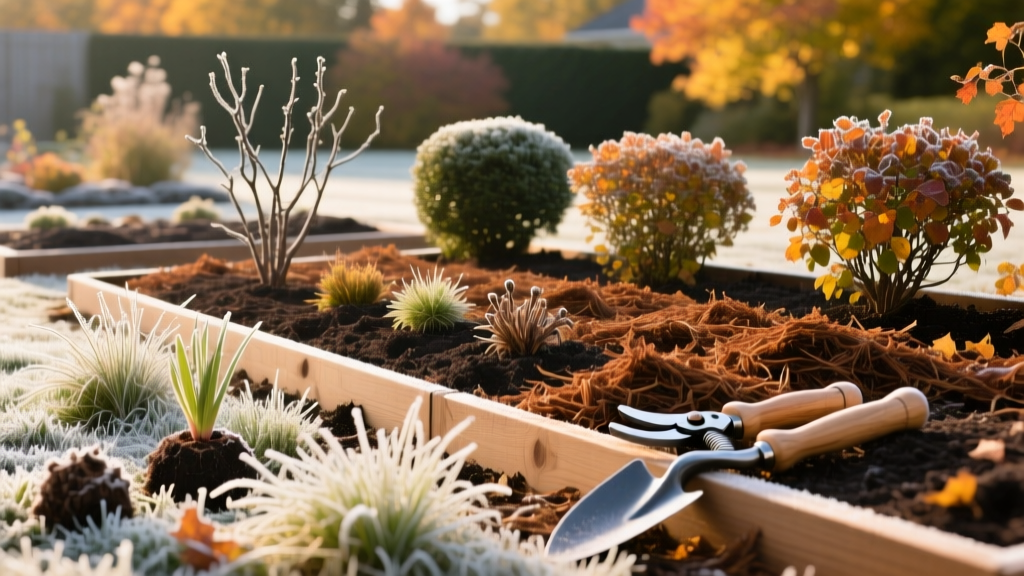
Fall Landscape Bed Prep: Mulching and Soil Health
Emily WatsonPublished
Why Fall Landscape Maintenance Matters
As the vibrant colors of autumn settle over your yard, the urge to simply rake the leaves and retreat indoors can be strong. However, fall is arguably the most critical season for landscape bed maintenance and long-term plant health. The work you do between September and November dictates how well your ornamental shrubs, perennials, and hardscape features survive the winter freeze-and-thaw cycles. Proper seasonal maintenance goes far beyond mere aesthetics; it is about building soil biology, preventing overwintering diseases, and insulating root systems against extreme temperature fluctuations.
In this comprehensive guide, we will break down the essential steps for fall landscape bed preparation, focusing on strategic pruning, targeted soil amendment, and the science of proper mulching. By following these actionable steps, you will set the stage for a vigorous, low-maintenance landscape next spring.
Step 1: Strategic Fall Pruning for Plant Health
One of the most common mistakes homeowners make in autumn is indiscriminately cutting back all perennials and shrubs. Strategic fall pruning requires a nuanced approach, balancing the need for disease prevention with the ecological benefits of leaving certain plants standing.
What to Cut Back and Remove
Any plant foliage that shows signs of disease or severe pest damage must be cut back and removed from the property. Do not compost diseased material. For example, if your phlox suffered from powdery mildew or your hostas were decimated by slugs, cut the foliage down to the ground and dispose of it in the municipal green waste bin. This removes the overwintering sites for fungal spores and slug eggs, drastically reducing next year's infection rates.
Use a high-quality, sterilized bypass pruner, such as the Felco F-2, to make clean cuts. Wipe the blades with a 10% bleach solution or rubbing alcohol between plants to prevent the spread of pathogens.
What to Leave Standing
Conversely, healthy perennials with structural interest or seed heads should be left alone until early spring. Ornamental grasses, sedum, and coneflowers (Echinacea) provide vital winter forage for birds like goldfinches, and their hollow stems offer overwintering habitats for native solitary bees. Furthermore, the standing stubble helps trap insulating snow over the plant's crown, protecting it from harsh winter winds.
Step 2: Soil Testing and Targeted Amendment
Fall is the ideal time to test and amend the soil in your landscape beds. Unlike synthetic spring fertilizers that push immediate, vulnerable growth, fall amendments have the entire winter to break down and integrate into the soil profile, feeding the microbial life that sustains plant health.
How to Take a Proper Soil Sample
Using a stainless steel soil probe or a clean trowel, extract 5 to 10 soil cores from your landscape beds at a depth of 6 inches. Avoid areas right next to hardscapes or where water tends to pool. Mix these cores in a clean plastic bucket, remove any rocks or roots, and place about two cups of the composite soil into the testing kit provided by your local university extension office. The cost for a standard panel is typically between $15 and $30, a minor investment that prevents the costly mistake of applying the wrong amendments.
Amending Based on Data
Once your results arrive, adjust your soil pH and organic matter accordingly. If your soil is too acidic for your ornamental shrubs, apply Espoma Organic Garden Lime at the rate recommended by your test (usually 5 to 10 lbs per 100 square feet). If your soil lacks organic matter, top-dress your beds with 1 to 2 inches of high-quality compost, such as Black Kow or a locally sourced, fully decomposed leaf mold.
'Adding organic matter to landscape beds in the fall improves soil structure, increases water retention, and provides a slow-release nutrient source that becomes available to plant roots just as they begin their spring growth cycle.'
— Cornell University Cooperative Extension, Department of Horticulture
Step 3: The Right Way to Apply Fall Mulch
Mulch is the ultimate multitasker in landscape maintenance. It insulates roots, suppresses early spring weeds, and retains soil moisture. However, improper application can lead to trunk rot, rodent damage, and suffocated roots. The golden rule of mulching is to maintain a uniform depth of 2 to 3 inches across the bed, while keeping the mulch at least 3 inches away from the trunks of trees and the crowns of shrubs.
Never create 'mulch volcanoes' around tree bases. Piling mulch against the bark keeps it constantly moist, inviting fungal pathogens and encouraging girdling roots. Instead, create a 'donut' shape that leaves the root flare completely exposed.
Choosing the Right Mulch for Your Beds
Not all mulches are created equal. The best choice depends on your budget, the specific plants in your bed, and your aesthetic preferences. Below is a comparison of the most common landscape mulches used in fall maintenance.
| Mulch Type | Avg. Cost (per cu. yd.) | Decomposition Rate | Best Use Case |
|---|---|---|---|
| Shredded Hardwood | $25 - $35 | Moderate (1-2 years) | General landscape beds, slopes (knits together well to prevent erosion). |
| Pine Bark Nuggets | $35 - $45 | Slow (2-3 years) | Flat beds around acid-loving shrubs (azaleas, rhododendrons). Avoid on slopes. |
| Cedar Mulch | $40 - $55 | Very Slow (3+ years) | Pathways, high-visibility areas, and termite-prone zones (natural oils repel insects). |
| Leaf Mold / Compost | $15 - $25 (or Free) | Fast (6-9 months) | Woodland gardens, perennial beds, and heavy soil amendment. Excellent for soil biology. |
Step 4: Winterizing Hardscape Edges and Drainage
Landscape beds do not exist in a vacuum; they interact directly with adjacent hardscapes and drainage systems. Fall maintenance must include clearing debris from these critical infrastructure elements to prevent winter water damage.
- Clear Catch Basins and Trench Drains: Remove all autumn leaves and sediment from driveway trench drains and landscape catch basins. If these freeze while clogged, spring snowmelt will flood your landscape beds and potentially undermine your hardscape foundations.
- Inspect Edging: Check metal or plastic landscape edging for heaving caused by early frost. Hammer down any lifted spikes and replace damaged sections before the ground freezes solid.
- Protect Irrigation Components: If your landscape beds feature drip irrigation, ensure the system is properly blown out with compressed air (typically 50-80 PSI for drip lines) to prevent the emitters and poly tubing from cracking during freeze events.
Your Ultimate Fall Landscape Bed Checklist
To keep your seasonal maintenance on track, follow this timeline to ensure every task is completed at the optimal moment for plant health and soil biology.
- Early September: Submit soil samples to your local extension office. Divide and transplant overgrown spring-blooming perennials while the soil is still warm.
- Mid-October: Apply targeted soil amendments (lime, sulfur, or compost) based on soil test results. Cut back and dispose of any diseased perennial foliage.
- Late October: Refresh mulch layers to a depth of 2-3 inches, ensuring proper clearance around tree trunks and shrub crowns.
- November (Pre-Freeze): Blow out drip irrigation lines. Clear all leaves and debris from hardscape drainage systems, French drains, and catch basins.
- December (Dormancy): Leave healthy ornamental grasses and seed-bearing perennials standing for winter wildlife interest and crown insulation.
By treating your landscape beds as a living ecosystem that requires year-round care, you transition from reactive gardening to proactive landscape management. The hours you invest in fall soil health, strategic pruning, and proper mulching will pay dividends next year with robust blooms, resilient shrubs, and significantly reduced spring maintenance costs.

