
Landscaping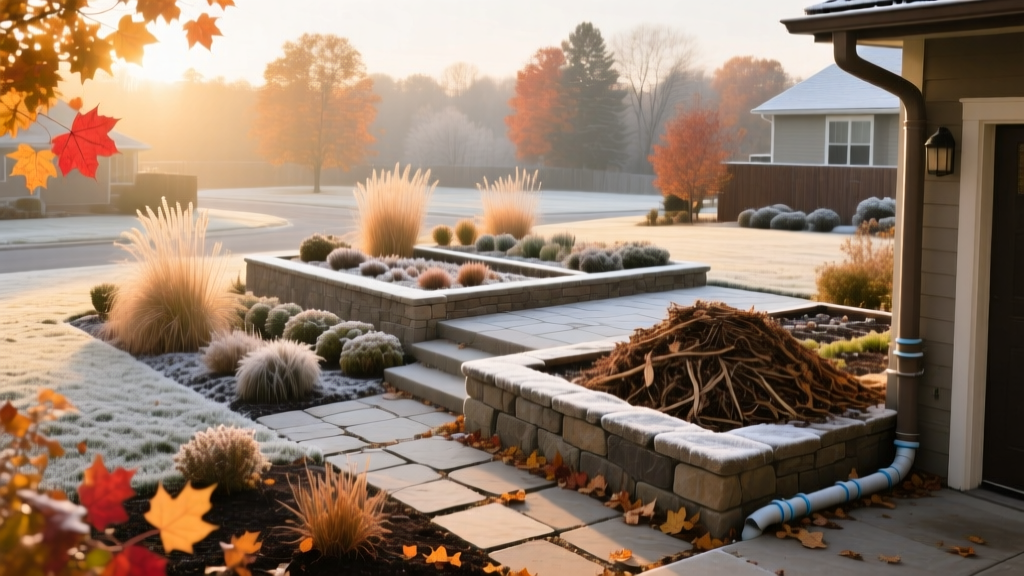
Fall Landscape Winterization: Protecting Beds and Hardscapes
Sarah ChenPublished
Why Fall Landscape Winterization Matters
As the vibrant colors of autumn signal the impending arrival of winter, homeowners must shift their landscaping focus from active growth to preservation and protection. Fall landscape winterization is a critical component of seasonal maintenance and long-term yard health. Neglecting your garden beds, hardscapes, and drainage systems before the first hard freeze can lead to devastating consequences, including frost heave, root rot, and cracked retaining walls. This comprehensive guide provides actionable, step-by-step instructions to winterize your landscape, ensuring your outdoor space survives the harsh winter months and emerges vibrant and healthy in the spring.
Garden Bed Health: Preparing Soil and Plants for Dormancy
The health of your landscape begins beneath the surface. Fall is the optimal time to amend soil, protect vulnerable perennials, and manage organic debris to prevent overwintering pests and diseases.
Cutting Back and Clearing Debris
Before applying any winter protection, you must address the existing foliage. While leaving some seed heads for overwintering birds is a sustainable practice, diseased plant material must be removed entirely. Cut back peonies, hostas, and daylilies to about two inches above the soil line. Do not compost foliage that shows signs of powdery mildew, leaf spot, or botrytis; instead, dispose of it in your municipal green waste bin to break the disease cycle.
Strategic Soil Testing and Amendment
According to the Penn State Extension, fall is the ideal time to conduct a comprehensive soil test. Applying lime or sulfur in the autumn gives these amendments several months to react and adjust the soil pH before spring planting. Use a trusted testing kit or send a sample to your local university cooperative extension. If your soil test indicates a need for organic matter, top-dress your garden beds with a half-inch layer of well-rotted compost. Avoid high-nitrogen synthetic fertilizers in late fall, as they can stimulate tender new growth that will be immediately killed by frost. Instead, opt for slow-release organic options like Milorganite (estimated cost: $15 per 32 lb bag) to feed soil microbes throughout the winter.
Applying Winter Mulch Correctly
Mulching is essential for insulating plant roots against extreme temperature fluctuations. However, timing and depth are critical. The University of Minnesota Extension advises waiting until the ground has frozen hard before applying winter mulch. Applying mulch too early traps heat and moisture, inviting rodents to nest and gnaw on plant crowns. Once the ground is frozen, apply a two-to-three-inch layer of shredded bark, straw, or pine needles around the base of perennials and shrubs. Keep the mulch at least three inches away from the trunks of trees and shrubs to prevent bark rot and vole damage. Bulk hardwood mulch typically costs between $30 and $45 per cubic yard, making it a cost-effective insulation solution.
Hardscape Maintenance: Preventing Frost Heave and Cracking
Hardscaping elements like patios, walkways, and retaining walls represent a significant financial investment. Water infiltration followed by freeze-thaw cycles is the primary enemy of hardscape health, leading to frost heave and structural cracking.
Inspecting and Replenishing Joint Sand
Paver patios and walkways rely on joint sand to lock the stones in place and prevent weed growth. Over the summer, heavy rains and foot traffic can wash this sand away. Sweep a high-quality polymeric sand, such as Alliance Gator Dust or SureBond SB-1300, into the joints. Polymeric sand hardens when misted with water, creating a flexible barrier that resists erosion and insect infiltration. Ensure you leave a one-eighth-inch gap below the paver surface to prevent water pooling. A 50-pound bag of premium polymeric sand costs around $35 to $45 and covers approximately 100 square feet, depending on joint width.
Sealing Natural Stone and Concrete
Porous hardscape materials like natural flagstone, travertine, and stamped concrete absorb water. When this water freezes, it expands by up to nine percent, causing micro-fractures and spalling. Apply a penetrating, breathable siloxane-based sealer in early autumn when temperatures are consistently between 50°F and 80°F. Products like Tenax Pro Seal or Aqua Mix Sealer's Choice Gold provide excellent water repellency without altering the natural look of the stone. Expect to spend $50 to $80 per gallon, which typically covers 200 to 400 square feet depending on the material's porosity.
Retaining Wall Drainage Verification
Retaining walls must have functioning weep holes and backfill drainage gravel. Inspect the base of your retaining walls and clear any soil, leaves, or debris blocking the weep holes. If hydrostatic pressure builds up behind the wall during winter snowmelts, the structural integrity of the wall can fail, resulting in costly rebuilding projects averaging $20 to $50 per square foot.
Winterizing Landscape Drainage and Irrigation
Proper water management is a cornerstone of landscape health. Standing water in winter leads to ice dams on walkways and root asphyxiation in garden beds.
Clearing French Drains and Dry Wells
Locate the exit points of your French drains and dry wells. Remove any leaf litter, mud, or rodent nests blocking the flow. Use a plumber's snake or a high-pressure garden hose nozzle to flush out the interior perforated pipes. Ensuring these systems are clear will allow rapid snowmelt to exit your property, preventing basement flooding and landscape erosion.
Irrigation System Blow-Outs
If you live in a climate where temperatures drop below freezing, winterizing your underground irrigation system is non-negotiable. Residual water left in PVC or polyethylene pipes will freeze, expand, and shatter the lines and sprinkler heads. Hire a licensed irrigation professional to perform a compressed air blow-out. The technician will connect an industrial air compressor to your mainline and systematically purge each zone. The cost for a professional blow-out ranges from $75 to $150 for a standard residential system, a minor expense compared to the $1,500+ cost of replacing shattered underground pipes and backflow preventers.
Fall Landscape Maintenance Cost and Timing Matrix
To help you budget and schedule your seasonal maintenance, refer to the following data table outlining the core tasks, optimal timing, and estimated costs for an average quarter-acre property.
| Maintenance Task | Optimal Timing | Estimated Cost | Primary Tools and Materials |
|---|---|---|---|
| Soil Testing and Amendment | Early to Mid-Fall | $30 - $60 | Soil probe, compost, lime |
| Winter Mulching | After First Hard Freeze | $90 - $150 | Shredded bark, wheelbarrow |
| Paver Joint Sanding | Early Fall (Dry Weather) | $70 - $120 | Polymeric sand, broom, hose |
| Hardscape Sealing | Early Fall (50 to 80 F) | $100 - $200 | Siloxane sealer, pump sprayer |
| Irrigation Blow-Out | Before First Freeze | $75 - $150 | Industrial air compressor |
Conclusion
Proactive fall landscape winterization is the ultimate defense against the unpredictable and often destructive forces of winter. By investing time and resources into soil health, hardscape preservation, and drainage management, you safeguard the structural and biological integrity of your property. Following these seasonal maintenance protocols not only prevents expensive spring repairs but also sets the stage for a lush, resilient, and thriving landscape when the warm weather finally returns.

