
Landscaping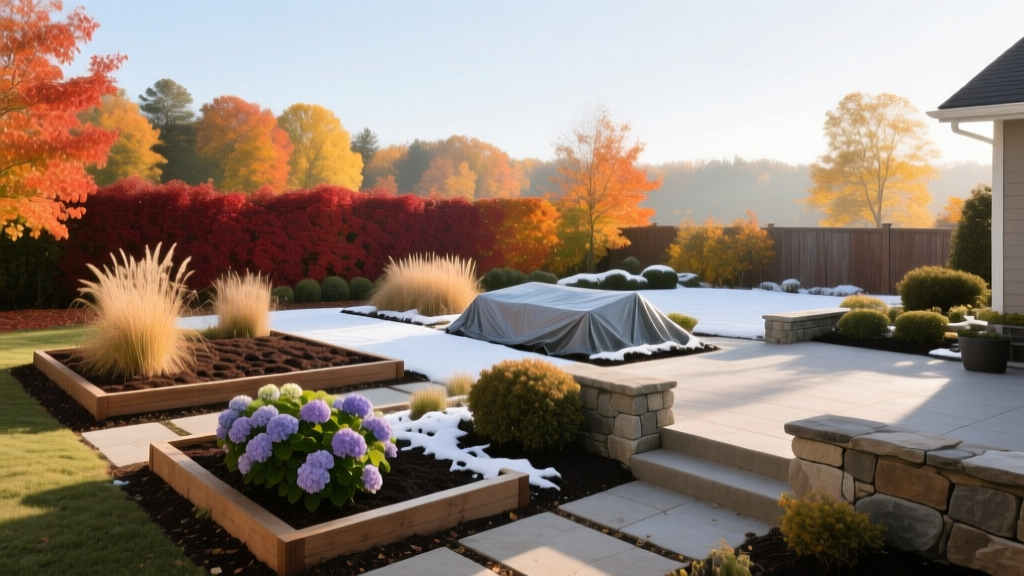
Fall Landscape Maintenance: Winterizing Beds and Hardscapes
David ParkPublished
The Critical Role of Fall Landscape Maintenance
As the vibrant hues of autumn give way to the stark realities of winter, your landscape undergoes a profound biological and structural transition. Fall landscape maintenance is not merely about aesthetic cleanup; it is a vital seasonal health protocol that dictates the vigor of your spring blooms, the structural integrity of your trees, and the longevity of your hardscaping investments. From the microscopic soil biology in your garden beds to the freeze-thaw vulnerabilities of your stone patios, preparing your outdoor spaces for winter requires a strategic, science-backed approach. In this comprehensive guide, we explore the essential seasonal maintenance practices required to winterize your landscape, protect vulnerable plantings, and fortify hardscapes against severe weather damage.
Garden Bed Preparation and Soil Health Restoration
The foundation of a thriving landscape lies beneath the surface. Fall is the optimal time to amend garden beds and prepare the soil ecosystem for the dormant season. Before applying any winter mulch, it is crucial to remove diseased foliage and spent annuals to eliminate overwintering sites for pests and fungal pathogens like powdery mildew and black spot.
Strategic Mulching and Moisture Retention
Applying a fresh layer of mulch is one of the most effective ways to insulate plant roots and retain soil moisture. However, timing and technique are critical. According to horticultural experts, you should wait until the soil temperature drops to around 45 degrees Fahrenheit before applying winter mulch. Applying it too early can trap excess heat, delay plant dormancy, and create a welcoming environment for rodents seeking warmth.
Use 3 to 4 inches of shredded hardwood mulch, which interlocks and resists washing away during heavy winter rains and snowmelts. Avoid 'volcano mulching'—the practice of piling mulch high against the trunks of trees and shrubs. This traps moisture against the bark, leading to rot and inviting wood-boring insects. Always maintain a 3-inch mulch-free ring around the base of all woody plants.
Soil Testing and Amendment
Fall is the ideal time to conduct a soil test. If your soil pH is too low, applying pelletized limestone in the autumn gives it months to break down and neutralize soil acidity before the spring growing season. Conversely, if your soil is too alkaline, applying elemental sulfur now will slowly lower the pH over the winter months. Incorporating a 2-inch layer of organic compost into the topsoil of your perennial beds will also feed beneficial microbes that break down nutrients, making them bioavailable for root uptake as soon as spring temperatures rise.
Protecting Trees and Shrubs from Winter Desiccation
Winter injury to trees and shrubs is rarely caused by the cold itself; rather, it is the result of desiccation, or severe moisture loss. When the ground freezes, roots can no longer absorb water. If winter winds and bright sun pull moisture from the leaves and needles faster than the plant can replace it, the foliage will scorch, turn brown, and die.
Anti-Desiccant Sprays for Broadleaf Evergreens
Broadleaf evergreens such as rhododendrons, hollies, boxwoods, and azaleas are particularly susceptible to winter burn. To protect them, apply an anti-desiccant spray like Wilt-Pruf or Vapor Gard in late November or early December, after the plants have fully entered dormancy but before temperatures consistently drop below freezing. These products coat the foliage in a protective, breathable resin that reduces transpiration rates by up to 80 percent. A second application in mid-to-late January is highly recommended in regions with harsh, windy winters.
Burlap Screens and Trunk Guards
For newly planted evergreens or delicate shrubs located on the south or west sides of buildings, winter sun scald and windburn are major threats. Construct a windbreak using wooden stakes and burlap fabric. Drive three or four stakes into the ground around the plant, leaving a few inches of clearance, and wrap the burlap around the stakes, securing it with twine. Never wrap the burlap tightly directly against the foliage, as this can trap moisture and cause fungal issues.
Additionally, protect the trunks of young deciduous trees from rodents and rabbits by installing corrugated plastic trunk guards or hardware cloth. Bury the bottom of the guard 2 inches below the soil line and ensure it extends at least 18 inches above the anticipated snow line to prevent voles and mice from girdling the bark beneath the snow.
Hardscape Winterization: Patios, Walkways, and Retaining Walls
Hardscaping elements represent a significant financial investment, and the freeze-thaw cycle is their greatest enemy. When water penetrates the porous surfaces of natural stone, concrete pavers, or retaining wall blocks and subsequently freezes, it expands by approximately 9 percent. This expansion creates immense internal pressure, leading to spalling, cracking, and heaving.
Cleaning, Joint Sand, and Sealing
Begin by power washing your patios and walkways to remove organic debris, algae, and moss, which can retain moisture and accelerate freeze-thaw damage. Inspect the joints between pavers. If the polymeric sand or jointing sand has eroded, refill the joints and activate the sand according to the manufacturer's instructions. This prevents water from pooling beneath the pavers and washing out the base aggregate.
Once the hardscape is completely dry, apply a penetrating, siloxane-based sealer. Unlike surface sealers that create a slippery film, siloxane sealers penetrate deep into the pores of the stone or concrete, creating a hydrophobic barrier that repels water and de-icing salts while allowing the material to breathe. Expect to pay between $0.50 and $1.50 per square foot for professional sealing, or approximately $80 to $120 per gallon if you choose to apply it yourself using a pump sprayer.
Drainage and De-Icing Precautions
Ensure that all French drains, catch basins, and channel drains are clear of autumn leaves and sediment. Standing water near retaining walls can lead to hydrostatic pressure buildup and catastrophic wall failure during winter freezes. When winter arrives, avoid using sodium chloride (rock salt) on concrete and natural stone, as it causes severe chemical scaling. Opt for calcium magnesium acetate (CMA) or magnesium chloride, which are significantly less corrosive to hardscapes and safer for surrounding landscape beds.
Irrigation Blowouts and Outdoor Lighting Checks
Your landscape's infrastructure also requires seasonal attention. Failing to properly winterize your irrigation system can result in cracked PVC pipes, shattered sprinkler heads, and damaged backflow preventers. Hire a licensed irrigation professional to perform an irrigation blowout using an industrial air compressor. The air pressure must be carefully regulated—typically between 50 and 80 PSI, depending on the pipe diameter—to safely evacuate all standing water without damaging the system's internal components.
Simultaneously, inspect your low-voltage outdoor lighting system. Clean the glass lenses of all path lights and spotlights, as dirt and hard water stains reduce light output. Check the connections at the transformer, ensure all wire nuts are sealed with dielectric grease to prevent winter corrosion, and adjust the timer or photocell to account for the shorter days and longer nights of the winter solstice.
Fall Landscaping Maintenance Schedule and Cost Guide
Planning your seasonal maintenance requires an understanding of timing and budget. The table below outlines the essential tasks, optimal timing, required materials, and estimated costs for a standard residential landscape.
| Maintenance Task | Optimal Timing | Materials Needed | Estimated Cost |
|---|---|---|---|
| Soil Testing & Amendment | Early to Mid-October | Soil test kit, compost, lime/sulfur | $30 - $80 |
| Deep Root Watering | Late October (Pre-Freeze) | Root feeder, slow-release hose | $15 - $40 (Water bill) |
| Winter Mulching | Mid-November (Soil at 45F) | Shredded hardwood mulch | $35 - $50 per cubic yard |
| Anti-Desiccant Application | Late Nov & Late Jan | Wilt-Pruf, pump sprayer | $40 - $90 |
| Hardscape Sealing | October (Dry, >50F) | Siloxane penetrating sealer | $0.50 - $1.50 / sq. ft. |
| Irrigation Blowout | Before first hard freeze | Professional compressor service | $75 - $150 per system |
Expert Citations and Authoritative Guidelines
The practices outlined in this guide are grounded in research from leading horticultural institutions. The University of Minnesota Extension emphasizes the importance of proper fall watering and mulching techniques to prevent winter desiccation in evergreens, noting that plants entering winter in a drought-stressed state are highly susceptible to cold injury. Furthermore, the Penn State Extension provides extensive guidelines on hardscape maintenance, warning against the use of sodium-based de-icers and advocating for proper joint sand maintenance to preserve the structural integrity of interlocking concrete pavers during freeze-thaw cycles. By adhering to these scientifically backed seasonal maintenance protocols, homeowners can ensure their landscape remains healthy, structurally sound, and visually stunning year after year.

