
Landscaping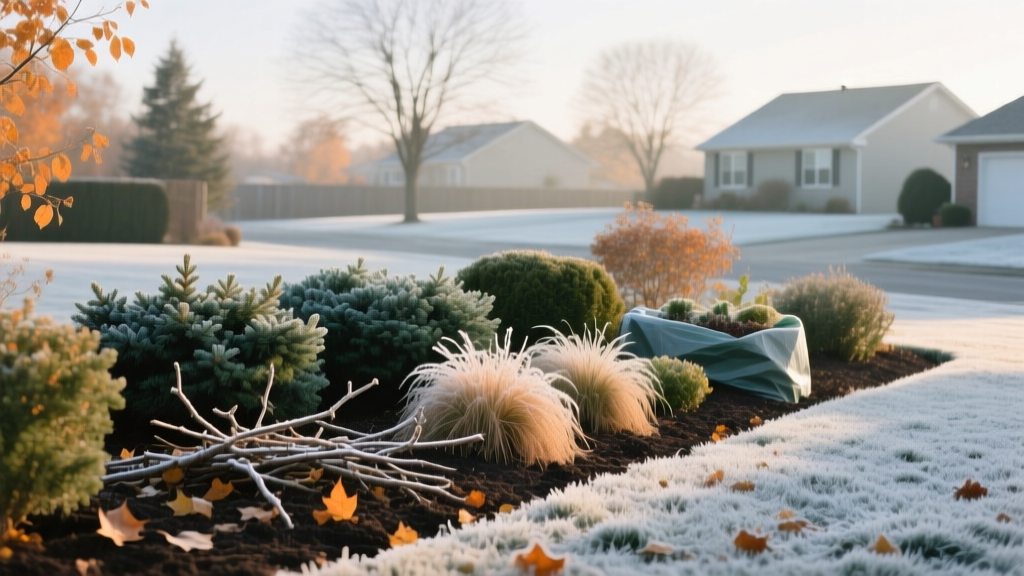
Fall Landscape Maintenance: Winterizing Shrubs and Beds
Lisa ThompsonPublished
The Critical Importance of Fall Landscape Winterization
As autumn leaves begin to fall and temperatures dip, homeowners often mistakenly believe that the landscaping season is over. However, fall is arguably the most critical season for long-term landscape health. Seasonal maintenance and winterization dictate how well your garden beds, shrubs, trees, and hardscapes survive the harsh freeze-thaw cycles of winter. Neglecting these tasks can lead to frost heave, desiccation of evergreens, and cracked hardscaping, resulting in costly spring replacements.
At Lawns Guide, we emphasize a proactive approach to seasonal landscape health. This comprehensive guide details actionable, step-by-step fall maintenance strategies to winterize your garden beds and protect vulnerable shrubs, ensuring a vibrant, thriving landscape when spring arrives.
Assessing and Amending Garden Bed Soil
Before the ground freezes, the soil in your garden beds needs to be prepped for dormancy. Fall is the ideal time to amend soil because the freeze-thaw cycles of winter will naturally incorporate organic matter and improve soil structure by spring.
Soil Testing, Composting, and Cleanup
Start by conducting a soil test to determine your pH and nutrient levels. Most ornamental shrubs and perennials thrive in a pH range of 6.0 to 7.0. If your soil is too acidic, apply pelletized lime at a rate of 5 to 10 pounds per 100 square feet, depending on your test results. Next, top-dress your garden beds with a 1-inch layer of well-rotted manure or organic compost. This provides a slow-release nutrient source that will be ready for plant roots the moment the soil thaws in early spring.
Additionally, remove and destroy any foliage showing signs of powdery mildew, black spot, or rust. Do not compost diseased material, as most home compost piles do not reach the 140°F internal temperature required to kill fungal spores. Instead, bag and dispose of these materials in the trash to prevent overwintering pathogens from reinfecting your landscape next year.
Strategic Mulching: The 3-3-3 Rule
Mulch is your landscape's primary insulator. It regulates soil temperature, preventing the rapid freezing and thawing that causes frost heave—a phenomenon where shallow-rooted perennials and shrubs are literally pushed out of the ground by expanding ice lenses.
According to the Penn State Extension, proper mulching technique is vital to prevent rodent damage and root suffocation. Landscape professionals adhere to the '3-3-3 Rule' for optimal plant health:
- 3 Inches Deep: Apply a uniform layer of organic mulch (such as shredded hardwood bark or pine needles) no deeper than 3 inches. Excessive mulch traps moisture and promotes fungal diseases.
- 3 Inches Away from the Trunk: Never pile mulch against the base of trees or shrubs. 'Volcano mulching' invites bark-rotting fungi and provides a warm winter haven for voles and mice that will chew through your plant's cambium layer.
- 3 Foot Radius: Extend the mulch ring at least 3 feet from the trunk to cover the critical root zone, reducing competition from turfgrass and retaining vital soil moisture.
Cost Estimate: High-quality shredded hardwood mulch typically costs $35 to $45 per cubic yard. One cubic yard covers approximately 100 square feet at a 3-inch depth.
Protecting Shrubs and Trees from Winter Desiccation
Broadleaf evergreens (like rhododendrons, azaleas, and hollies) and narrowleaf evergreens (like arborvitae and junipers) continue to lose water through their leaves during winter, a process known as transpiration. When the ground is frozen, roots cannot take up replacement water, leading to severe winter burn and desiccation.
Pruning and Deep Hydration
Avoid heavy pruning in the fall. Pruning stimulates new growth, which will not have time to harden off before the first freeze, leading to severe dieback. Limit fall pruning only to the removal of dead, diseased, or dangerously broken branches. Save structural shaping for late winter when the plant is fully dormant.
The first line of defense against desiccation is deep watering. Continue to water your evergreens deeply until the ground freezes solid. Provide 1 to 1.5 inches of water per week if rainfall is insufficient. A deep soaking ensures the plant enters dormancy with fully hydrated tissue.
Applying Anti-Desiccant Sprays
For high-value or highly exposed evergreens, apply an anti-desiccant spray like Wilt Pruf or Bonide Anti-Transpirant. These products coat the foliage in a breathable, waxy polymer that reduces moisture loss by up to 30%.
Expert Timing Tip: The University of Maryland Extension advises applying anti-desiccants in late November to early December, when temperatures are above 50°F and no rain is forecasted for 24 hours. A second application in late January or early February during a winter thaw is highly recommended for maximum protection.
Erecting Burlap Wind Screens
For shrubs exposed to harsh northwest winds or salt spray from roads, erect a burlap screen. Do not wrap the shrub tightly; instead, drive three wooden stakes into the ground around the plant and staple heavy-duty landscape burlap to the stakes. This creates a microclimate that blocks desiccating winds while allowing the plant to breathe and receive filtered sunlight.
Hardscape and Irrigation Winterization
Seasonal landscape health extends beyond plants to the structural elements of your yard. Water is the enemy of hardscapes in winter. Inspect your retaining walls and paver patios for joint sand loss. Re-sweeping polymeric sand into the joints before the first freeze prevents water infiltration, which is the leading cause of paver shifting and frost heave in hardscapes. Additionally, clean your gutters and extend downspouts at least four feet away from landscape beds to prevent soil erosion and root rot during heavy winter thaws.
Furthermore, irrigation systems must be properly winterized. Hiring a professional to perform an 'irrigation blowout' using a commercial air compressor is essential. Blowing out the lines with compressed air (kept under 50 PSI for poly pipe and 80 PSI for PVC) prevents trapped water from freezing, expanding, and cracking your underground pipes and sprinkler heads.
Fall Landscape Winterization Schedule and Costs
Use the following structured table to plan your seasonal maintenance budget and timeline.
| Maintenance Task | Optimal Timing | Estimated Cost (DIY vs Pro) | Primary Benefit |
|---|---|---|---|
| Soil Testing & Composting | Early September | $15-$30 (Test Kit + Compost) | Improves soil structure for spring |
| Applying Hardwood Mulch | Mid-October | $35-$45 per cubic yard | Prevents frost heave and insulates roots |
| Anti-Desiccant Spraying | Late November | $20 DIY / $150+ Pro | Prevents winter burn on evergreens |
| Burlap Wind Screens | Before first heavy snow | $25-$40 for materials | Shields against wind and salt damage |
| Irrigation Blowout | Before first hard freeze | $75-$150 (Professional) | Prevents cracked pipes and sprinkler heads |
Final Thoughts on Seasonal Landscape Health
Investing time and resources into fall landscape maintenance is a proactive strategy that pays massive dividends in the spring. By properly amending soil, applying mulch using the 3-3-3 rule, protecting evergreens from desiccation, and winterizing your irrigation, you safeguard your landscape investment against the unpredictable nature of winter. A healthy landscape is a year-round commitment, and mastering the autumn transition is the hallmark of a resilient, beautiful outdoor living space.

