Lawn Care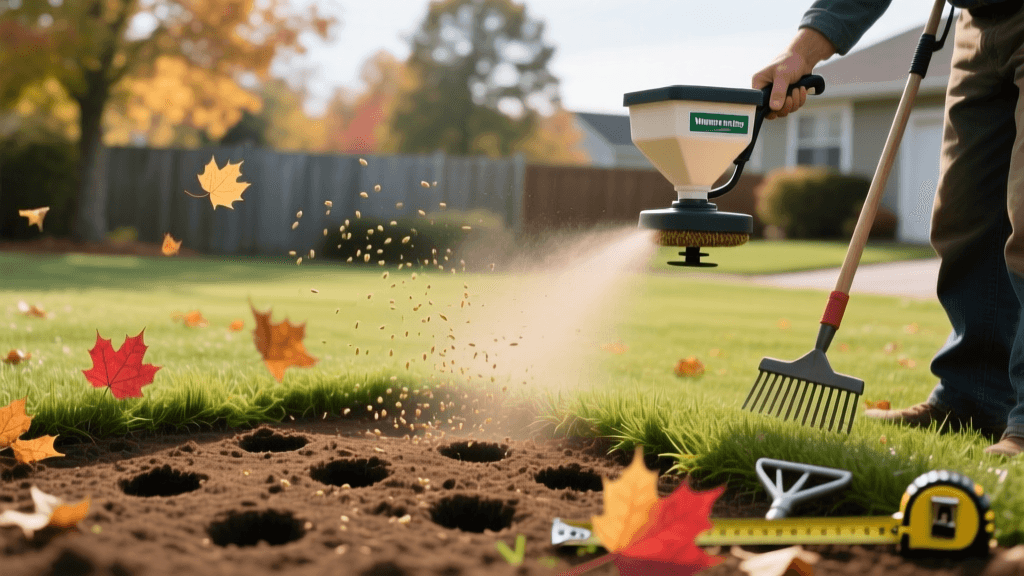
Fall Lawn Care Guide: Aeration, Overseeding & Winter Prep
The Ultimate Fall Lawn Care Guide for Cool-Season Grasses
As the sweltering summer heat begins to break and autumn breezes roll in, homeowners often make the mistake of thinking their lawn care duties are over. In reality, fall is the most critical season for cool-season grasses like Kentucky Bluegrass, Tall Fescue, and Perennial Ryegrass. While top growth slows down as air temperatures drop, the soil remains warm enough to stimulate massive root development, rhizome expansion, and nutrient storage. A comprehensive fall lawn care routine is the single most effective way to ensure a thick, vibrant, and weed-resistant lawn the following spring.
This guide will walk you through the essential seasonal maintenance practices required to rehabilitate your turf from summer stress and prepare it for winter dormancy. From core aeration and strategic overseeding to precise winterizer fertilization, these actionable steps will transform your landscape.
Step 1: Soil Testing and Preparation
Before applying any amendments, it is vital to understand your soil's current chemical makeup. Summer heat and heavy mowing can deplete essential nutrients and alter soil pH. Submitting a soil sample to your local university extension office or a private lab like Waypoint Analytics provides a precise baseline.
- Optimal pH: Cool-season grasses thrive in a pH range of 6.0 to 7.0.
- Amendments: If your soil test indicates a pH below 6.0, apply pelletized lime at the rate recommended by your test results (typically 20 to 50 lbs per 1,000 square feet). Fall is the ideal time to apply lime, as the winter freeze-thaw cycles help incorporate it into the soil profile.
Step 2: Core Aeration to Relieve Compaction
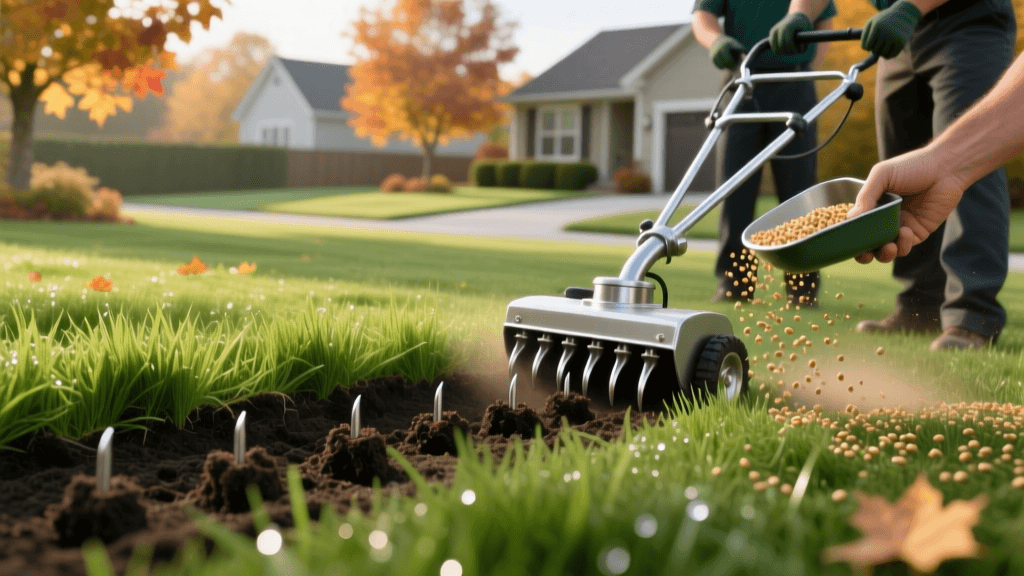
Over the summer, foot traffic, heavy equipment, and intense rainfall can severely compact your soil, choking grassroots and preventing water and nutrients from penetrating the root zone. Core aeration involves using a machine to pull 2-to-3-inch plugs of soil and thatch from the lawn, creating channels for oxygen, water, and fertilizer to reach the roots.
Execution and Costs
For the best results, rent a walk-behind core aerator from a local equipment rental center. Ensure the soil is moist but not waterlogged before aerating; water the lawn deeply 24 hours prior if the ground is hard.
- DIY Rental Cost: Typically $50 to $85 per day. Make two passes over the lawn in perpendicular directions for maximum plug extraction.
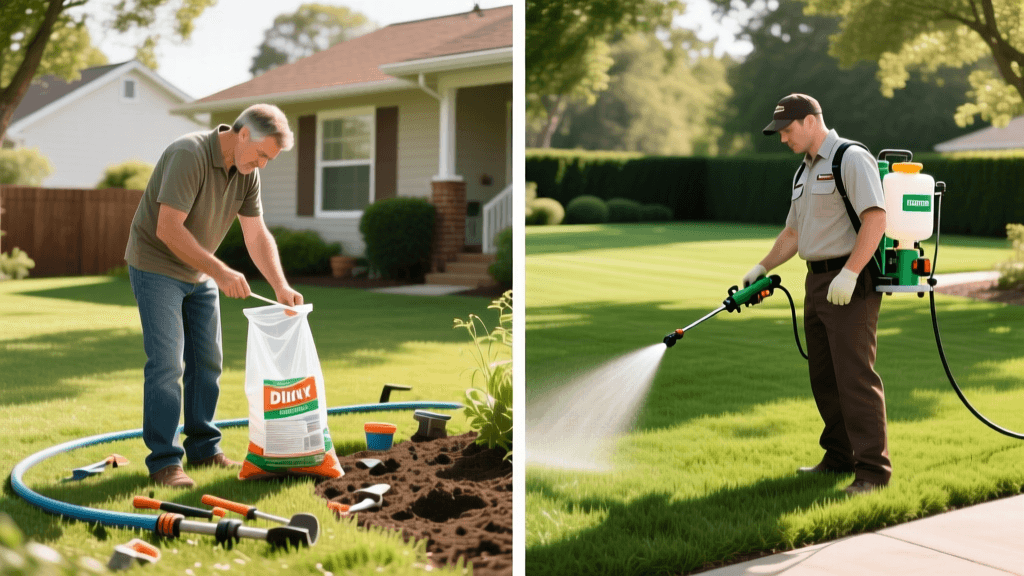
- Professional Service Cost: Hiring a lawn care company to aerate an average 5,000-square-foot lawn usually costs between $150 and $250.
- Post-Aeration Tip: Do not rake up the soil plugs. Leave them on the lawn to break down naturally, as they contain beneficial microbes that help decompose thatch.
Step 3: Overseeding for Density and Disease Resistance
Overseeding introduces new, modern turfgrass cultivars into your existing lawn. Newer varieties of Tall Fescue and Kentucky Bluegrass are bred for superior drought tolerance, deep rooting, and resistance to common diseases like brown patch and dollar spot. The holes created during core aeration provide the perfect seed-to-soil contact necessary for high germination rates.
Seed Selection and Application Rates
Always purchase high-quality seed with zero weed seed content and a germination rate above 85%. Avoid cheap contractor-grade mixes that contain annual ryegrass as a filler.
| Grass Type | Overseeding Rate (per 1,000 sq ft) | Estimated Seed Cost (50 lb bag) |
|---|---|---|
| Tall Fescue | 8 to 10 lbs | $120 - $180 |
| Kentucky Bluegrass | 2 to 3 lbs | $250 - $350 |
| Perennial Ryegrass | 5 to 7 lbs | $150 - $200 |
Immediately after spreading the seed, apply a high-phosphorus starter fertilizer (such as a 18-24-12 N-P-K ratio) to promote rapid root establishment. Keep the top inch of soil consistently moist by watering lightly 2 to 3 times a day until the new grass reaches mowing height.
Step 4: Fall Fertilization and Winterizers
Fall fertilization is arguably the most important nutrient application of the year. It is divided into two distinct phases: early fall and late fall.
Early Fall (September to Early October)
The goal of early fall fertilization is to help the grass recover from summer stress and support the energy-intensive processes of aeration and overseeding. Use a balanced or high-nitrogen slow-release fertilizer. Apply 1.0 to 1.25 pounds of actual nitrogen per 1,000 square feet. Products like Scotts Turf Builder or Lesco Professional Slow-Release are excellent choices that provide a steady feed over 8 to 10 weeks without causing excessive, weak top growth.
Late Fall / Winterizer (November)
Often referred to as a 'winterizer,' this application is done after the last mowing of the season but before the ground freezes. The grass blades may have stopped growing, but the roots are still actively absorbing nutrients. A winterizer fertilizer is typically high in potassium (the 'K' in N-P-K), which acts as an antifreeze for plant cells, improving cold hardiness and disease resistance. Apply a fast-release nitrogen source at a rate of 1.0 pound per 1,000 square feet. The plant will store this nitrogen in its crown and roots, resulting in an incredibly early, vibrant green-up the following spring without the need for heavy early-spring fertilization that promotes snow mold.
Step 5: Targeting Broadleaf Weeds
Fall is the absolute best time to eradicate broadleaf weeds like dandelions, clover, and plantain. During autumn, weeds are actively pulling nutrients down into their taproots to store for winter. When you apply a liquid post-emergent herbicide containing active ingredients like 2,4-D, Dicamba, and MCPP (commonly found in products like Trimec or SpeedZone), the plant will efficiently translocate the chemical directly into the root system, ensuring a complete kill rather than just burning off the leaves.
Note: If you have recently overseeded, wait until the new grass has been mowed at least three times before applying any broadleaf herbicides to avoid damaging the tender seedlings.
Step 6: Mowing and Irrigation Adjustments
As temperatures cool, your mowing and watering routines must adapt. Continue to mow your lawn regularly, but gradually lower the cutting height. For the final mow of the season in late November, drop your mower deck to 2.0 or 2.5 inches. Cutting the grass short before winter prevents the blades from matting down under heavy snow, which drastically reduces the risk of snow mold and vole damage.
Regarding irrigation, your lawn still needs about 1 inch of water per week in early fall. However, as November approaches and the grass enters dormancy, you can cease supplemental watering. Be sure to winterize your irrigation system by blowing out the lines with compressed air before the first hard freeze to prevent cracked PVC pipes and damaged sprinkler heads.
Seasonal Maintenance Timeline
| Timeframe | Primary Action Items | Soil Temperature Target |
|---|---|---|
| Late Aug - Mid Sept | Core Aeration, Overseeding, Starter Fertilizer | 65°F - 70°F |
| Late Sept - Oct | Broadleaf Weed Control, Early Fall Fertilizer | 55°F - 65°F |
| November | Final Mowing, Winterizer Fertilizer, Irrigation Blowout | 45°F - 50°F |
Expert Insights on Fall Root Development
'Fall fertilization is the most important application of the year for cool-season lawns. The nitrogen applied in late autumn is stored in the plant's crown and roots, which not only increases the turf's winter hardiness but also provides the energy required for rapid spring root growth before the stress of summer returns.'
— University of Minnesota Extension, Turfgrass Science Program
By aligning your lawn care schedule with the natural biological rhythms of cool-season grasses, you work with nature rather than against it. Investing time and resources into aeration, strategic overseeding, and precise fall fertilization will yield a denser, more resilient lawn that naturally crowds out weeds and withstands environmental stresses. Follow this seasonal maintenance blueprint, and your lawn will be the envy of the neighborhood from the very first thaw of spring.