Tree Care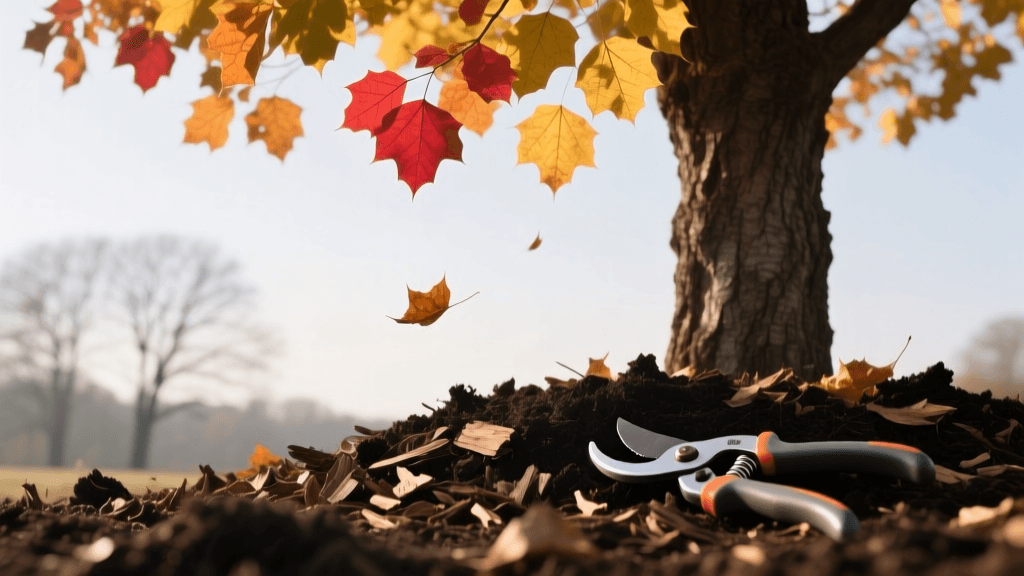
Ultimate Fall Tree Care Guide: Winterizing for Cold Weather
As autumn leaves begin to drop and the air turns crisp, homeowners often shift their focus to winterizing their homes, draining irrigation systems, and putting away lawn equipment. However, your landscape's most valuable assets—your trees—require dedicated seasonal maintenance to survive the harsh winter months. Fall and early winter tree care is not merely about cleanup; it is a critical window for setting the stage for vigorous spring growth and preventing catastrophic cold-weather damage. In this comprehensive guide, we will explore the essential steps for fall tree winterization, complete with actionable advice, specific product recommendations, and exact measurements to ensure your trees thrive year-round.
Why Fall Tree Winterization is Crucial
Trees undergo a complex physiological process called dormancy as daylight hours shorten and temperatures drop. During this transition, trees shift their energy reserves from the canopy down into their root systems. If a tree enters dormancy in a stressed, dehydrated, or nutrient-deficient state, it becomes highly susceptible to winter desiccation, frost cracking, and opportunistic pests. According to the University of Minnesota Extension, proper late-fall care significantly reduces the incidence of winter kill, particularly in evergreens and young deciduous plantings. By investing a few hours and a modest budget into seasonal maintenance now, you can avoid the steep costs of emergency tree removal or extensive restorative pruning later.
The Ultimate Fall Tree Care Checklist
1. Deep Root Watering Before the Freeze
One of the most common misconceptions is that trees do not need water once the weather cools. In reality, winter desiccation—where dry winds and winter sun pull moisture from the needles and branches faster than the frozen roots can replace it—is a leading cause of tree death. Before the ground freezes solid, provide a deep, slow soaking. The general rule of thumb is to apply 10 gallons of water per inch of trunk diameter (measured at knee height). For a tree with a 3-inch caliper, this means 30 gallons. Use a soaker hose coiled around the drip line or invest in a slow-release tree watering bag (like the Treegator, which costs around $35) to ensure the water penetrates deeply into the soil profile rather than running off the surface.
2. Applying the Perfect Winter Mulch Ring
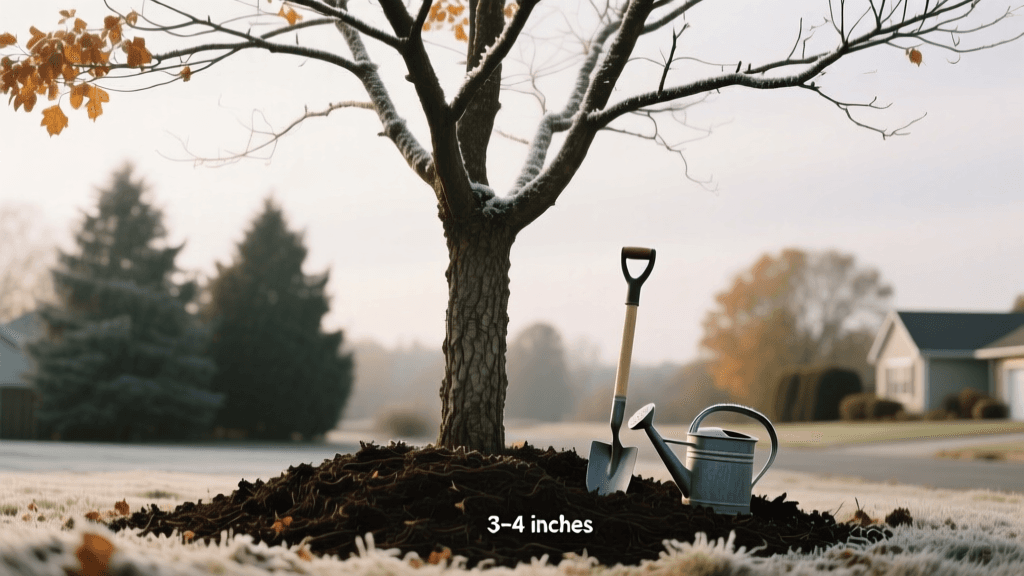
Mulch acts as an insulating blanket, regulating soil temperature and retaining crucial moisture. However, improper mulching can do more harm than good. Apply a 2-to-4-inch layer of organic mulch, such as shredded hardwood bark or pine needles, extending out to the tree's drip line. Crucially, you must practice the 'donut' method: keep the mulch at least 3 inches away from the actual trunk. Piling mulch against the bark (often called 'volcano mulching') traps moisture, invites fungal pathogens, and provides a warm winter habitat for bark-gnawing rodents. A standard 2-cubic-foot bag of premium shredded hardwood mulch costs about $5 to $8 and covers roughly 12 square feet at a 2-inch depth.
3. Protecting Trunks from Frost Cracks and Rodents
Young trees with thin bark, such as maples, ash, and fruit trees, are highly vulnerable to 'sunscald' and frost cracks. This occurs when the winter sun warms the bark during the day, activating cells, only for the temperature to plummet at night, causing the bark to split. To prevent this, wrap the trunk with commercial tree wrap (crepe paper or synthetic fabric) or install a white plastic tree guard. The Colorado State University Extension recommends wrapping from the base up to the first scaffold branch, overlapping the material by one-third. A roll of tree wrap costs roughly $12. Remember to remove the wrap in early spring; leaving it on year-round can girdle the tree and harbor boring insects.
4. Structural Pruning and Deadwood Removal
Late fall, once the leaves have completely dropped, is the ideal time for structural pruning. The bare canopy allows you to clearly see the tree's architecture and identify defects. Focus on the 'Three Ds': Dead, Damaged, and Diseased wood. Removing these branches eliminates overwintering sites for fungal spores and prevents heavy, snow-laden dead branches from snapping and causing property damage. Use a sharp, bypass pruning saw for limbs over 2 inches in diameter, and make clean cuts just outside the branch collar to promote rapid compartmentalization in the spring. Avoid heavy canopy reduction in the fall, as fresh cuts may not heal before deep freezes set in.
Fall Fertilization: To Feed or Not to Feed?
The debate over fall fertilization is common among homeowners. The key is understanding the difference between stimulating vulnerable new growth and fortifying root systems. Avoid high-nitrogen fertilizers in late autumn, as they can trigger a late flush of tender growth that will be destroyed by the first hard frost. Instead, opt for a slow-release, low-nitrogen, high-potassium fertilizer that promotes root hardiness and disease resistance.
| Feature | Late Fall Fertilizer | Early Spring Fertilizer |
|---|---|---|
| Primary Goal | Root development and winter hardiness | Canopy growth and leaf production |
| Ideal N-P-K Ratio | Low N, High P and K (e.g., 5-10-15) | High N, Moderate P and K (e.g., 16-4-8) |
| Application Timing | After leaf drop, before ground freezes | After soil thaws, before bud break |
| Estimated Cost | $25 - $40 per 40lb bag | $20 - $35 per 40lb bag |
Preparing Young vs. Mature Trees for Winter
Not all trees require the same level of seasonal maintenance. Understanding the difference between caring for young plantings and established giants will save you time and money.
- Young Trees (Planted within 3 years): Require rigorous deep watering, trunk wrapping, and a thick mulch ring. Their root systems are not yet expansive enough to scavenge deep soil moisture, making them highly prone to winter drought stress.
- Mature Trees (Established 10+ years): Generally require less intensive watering unless experiencing a severe, prolonged autumn drought. Focus your efforts on hazard pruning (removing large deadwood) and ensuring the root zone is not compacted or smothered by excessive leaf litter, which can harbor fungal diseases like anthracnose.
Common Fall Tree Care Mistakes to Avoid
Even well-intentioned homeowners can make critical errors during seasonal maintenance. The Arbor Day Foundation frequently warns against practices that inadvertently stress trees right before dormancy.
Never prune heavily in early fall before the tree has entered full dormancy. Pruning signals the tree to push new growth, which depletes vital energy reserves and leaves the tree highly vulnerable to freezing temperatures. Always wait until the tree has completely dropped its leaves and entered its dormant phase.
Additionally, avoid shaking heavy, wet snow off evergreen branches with a broom or pole. This can cause the brittle, frozen branches to snap. Instead, let the snow melt naturally or gently brush upward with a soft broom if the accumulation is threatening to split the leader.
Conclusion
Proper fall and early winter tree care is an investment in the long-term health, safety, and beauty of your landscape. By implementing deep root watering, proper mulching techniques, strategic trunk protection, and mindful pruning, you equip your trees to withstand the harshest winter conditions. Take the time to assess your trees this autumn, and they will reward you with vibrant, resilient growth when spring finally arrives.