Tree Care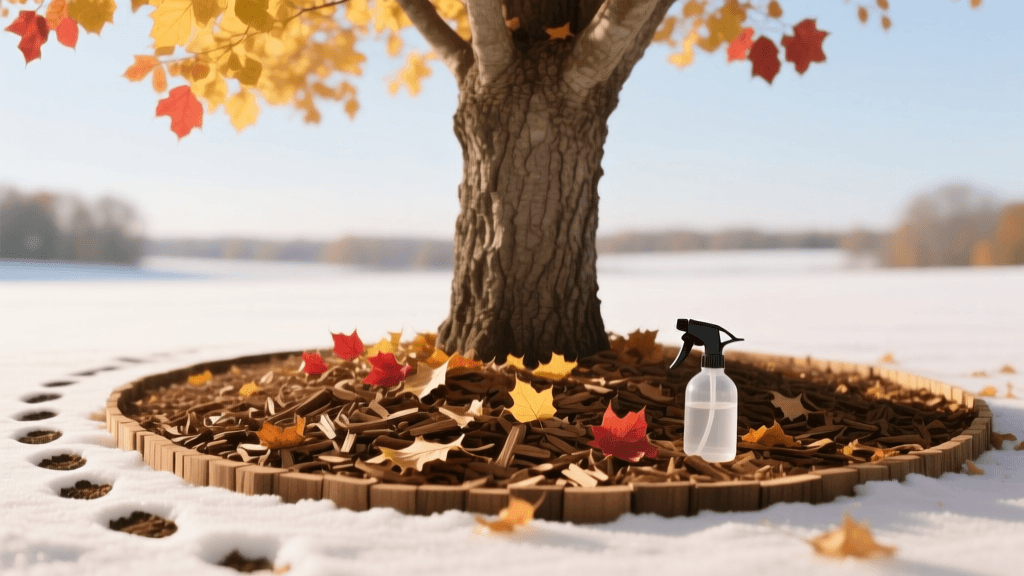
Fall Tree Winterization: Pruning, Mulching, and Moisture
As autumn leaves drop and temperatures begin their steady decline, many homeowners assume their landscape chores are finished. However, for certified arborists and seasoned landscapers, late fall marks the beginning of one of the most critical phases of tree health management: winterization. Trees do not simply go to sleep during the winter; they undergo complex physiological changes to survive freezing temperatures, desiccating winds, and heavy snow loads. Failing to prepare your trees for these harsh conditions can lead to frost cracks, root desiccation, and catastrophic structural failure. This comprehensive guide will walk you through the essential steps of fall tree winterization, focusing on moisture management, proper mulching techniques, and protective treatments.
The Hidden Dangers of Winter Desiccation
Winter desiccation, commonly referred to as winter burn, is one of the most frequent causes of cold-season tree damage. This phenomenon occurs when the ground is frozen, preventing roots from taking up water, while the tree's canopy continues to lose moisture through transpiration driven by harsh, drying winds and bright winter sun. Broadleaf evergreens like hollies, rhododendrons, and mountain laurels, as well as needled evergreens like arborvitae and yews, are particularly susceptible. When the moisture lost from the foliage exceeds the moisture absorbed by the roots, the plant tissues dehydrate, leading to browning, dieback, and in severe cases, the death of the entire plant. Proper late-fall hydration and protective barriers are your first line of defense against this silent killer.
Late Fall Deep Watering Protocols
One of the most common misconceptions in tree care is that trees do not need water once they drop their leaves or the first frost arrives. In reality, trees continue to grow and develop their root systems well into the late fall and early winter, right up until the soil temperature drops below 40 degrees Fahrenheit. Deep, infrequent watering during the late fall ensures that the root zone is fully saturated before the ground freezes solid.
Calculating Your Tree's Water Needs
To properly hydrate your trees, you must move beyond superficial sprinkler use and focus on deep root soaking. A general rule of thumb recommended by arborists is to provide 10 gallons of water for every inch of the tree's trunk diameter measured at knee height. Use a soaker hose or a deep root watering wand to deliver water slowly, allowing it to penetrate 12 to 18 inches into the soil profile where the feeder roots reside.
- Timing: Continue watering until the ground freezes, typically late October through November in northern climates.
- Method: Place a soaker hose in a spiral pattern starting 2 feet from the trunk and extending to the drip line.
- Frequency: Water deeply once a week if there is no significant rainfall.
The 'Donut' Mulching Method for Root Insulation
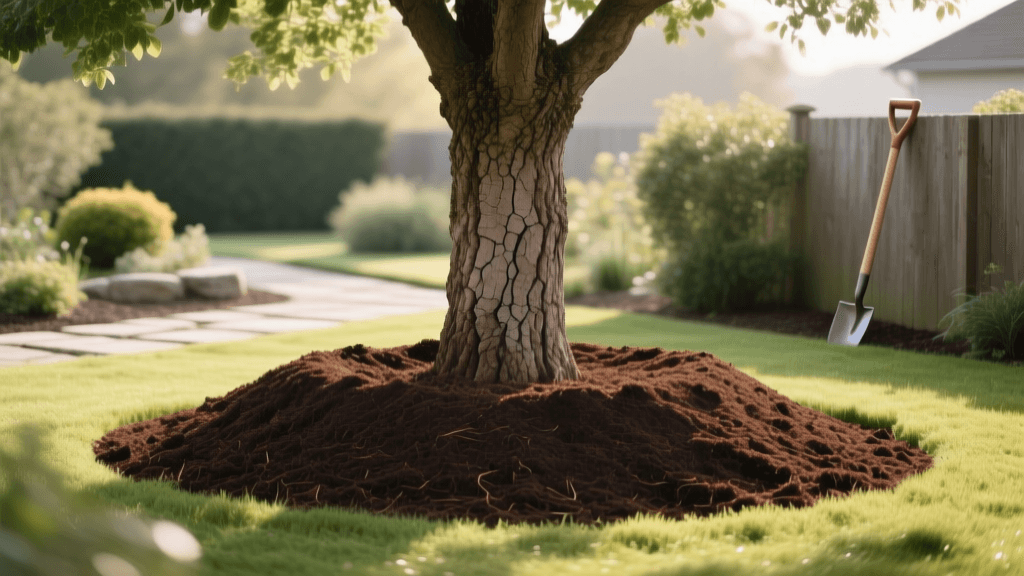
Mulch acts as a vital insulating blanket for the soil, regulating temperature fluctuations and retaining crucial moisture. However, improper mulching can be just as detrimental as no mulch at all. The infamous 'volcano mulching' technique, where mulch is piled high against the trunk, traps moisture against the bark, leading to stem rot, fungal infections, and providing a cozy winter habitat for bark-gnawing rodents.
Executing the Perfect Mulch Ring
Instead of a volcano, you should create a 'donut' shape. Spread a 2 to 4-inch layer of organic mulch in a wide ring around the tree, extending at least to the drip line if possible. Crucially, keep the mulch 3 to 5 inches away from the actual trunk of the tree, exposing the root flare. This ensures the bark stays dry and healthy while the roots benefit from thermal insulation.
Choosing the Right Mulch Material
Not all mulches are created equal for winter insulation. Hardwood bark, pine bark, and wood chips are excellent choices because they break down slowly and improve soil structure. Avoid using fresh grass clippings or uncomposted leaves, as they can mat together, creating an impermeable barrier that blocks water and oxygen. Expect to spend between $4 and $8 per 2-cubic-foot bag of premium hardwood mulch, or roughly $20 to $30 per cubic yard if purchasing in bulk from a local landscape supplier.
Applying Anti-Desiccants to Evergreens
For highly susceptible evergreens, an anti-desiccant spray is a highly effective chemical barrier that reduces winter moisture loss. Products like Wilt-Pruf or Bonide Wilt Stop contain organic polymers that coat the needles and leaves, sealing in moisture while still allowing for necessary gas exchange.
Application Rules and Temperature Constraints
Applying anti-desiccants requires precise timing and specific weather conditions. If applied incorrectly, you risk sealing moisture out or damaging the foliage. Follow these strict guidelines:
- Temperature: Apply only when daytime temperatures are between 40 and 50 degrees Fahrenheit.
- Drying Time: Ensure there is no threat of freezing temperatures or rain for at least 24 hours after application so the polymer can cure properly.
- Coverage: Spray the foliage until the liquid begins to drip, ensuring thorough coverage of the top and bottom of the leaves or needles.
- Reapplication: A second application is often necessary in mid-to-late winter (January or February) during a winter thaw, as the initial coating degrades under UV light over time.
Trunk Protection: Wrapping and Burlap Screens
Young trees with thin bark, such as maples, ash, honeylocust, and fruit trees, are highly vulnerable to 'sunscald.' This occurs when the winter sun heats the bark on the south and west sides of the trunk on cold, clear days, stimulating the cambium layer to break dormancy. When the sun sets and temperatures plummet below freezing, the active cambium cells freeze and burst, causing vertical cracks and permanent damage to the tree's vascular system.
To prevent sunscald, wrap the trunks of newly planted or thin-barked trees with a commercial tree wrap made of crepe paper or polyurethane. Start wrapping at the base of the trunk and overlap the layers as you work your way up to the lowest branches. This wrap also deters winter foraging by mice and voles. Remove the wrap in early spring to prevent trunk girdling and moisture trapping. A roll of professional tree wrap typically costs between $5 and $10 and can be reused for multiple seasons.
Comprehensive Winterization Schedule and Cost Breakdown
To help you plan your seasonal maintenance, refer to the following matrix detailing the optimal timing, target species, and estimated costs for essential winterization tasks.
| Winterization Task | Optimal Timing | Target Trees | Estimated Material Cost |
|---|---|---|---|
| Deep Root Soaking | Late Oct - Nov (Pre-freeze) | All trees, especially new plantings | $0 - $15 (Water bill/Soaker hose) |
| Donut Mulching | Late Oct - Nov | All trees and shrubs | $20 - $40 per tree (Bulk mulch) |
| Anti-Desiccant Spray | Nov - Dec (Above 40F) | Broadleaf & Needled Evergreens | $25 - $35 per gallon concentrate |
| Trunk Wrapping | November | Thin-barked, young deciduous trees | $5 - $10 per roll |
| Burlap Wind Screens | November | Evergreens exposed to prevailing winds | $15 - $30 for burlap and stakes |
Expert Insights and Authoritative Guidelines
Adhering to guidelines set forth by leading agricultural and arboricultural institutions ensures that your tree care practices are scientifically sound. The Colorado State University Extension emphasizes the critical nature of winter watering, noting that 'trees and shrubs are susceptible to winter injury if they do not receive adequate moisture during the dormant season.' They specifically recommend watering one to two times per month during dry winter periods when there is no snow cover and temperatures are above 40 degrees Fahrenheit, applying water mid-day so it has time to soak in before night freezes.
'Proper fall preparation, including deep watering and mulching, significantly increases a tree's winter hardiness and reduces the incidence of frost cracks and root dieback in the following spring.' - USDA Forest Service, Urban Tree Management Guidelines.
Conclusion
Winter tree care is not a passive endeavor; it requires proactive, strategic maintenance in the late fall to ensure your landscape thrives in the spring. By implementing deep watering protocols, utilizing the donut mulching method, applying anti-desiccants to vulnerable evergreens, and protecting thin-barked trunks from sunscald, you fortify your trees against the harshest elements of the season. Investing a few hours and a modest budget into fall winterization will save you hundreds, if not thousands, of dollars in tree removal, disease treatment, and structural pruning in the years to come. Treat your trees well this autumn, and they will reward you with vigorous, healthy growth when the spring thaw finally arrives.