Tree Care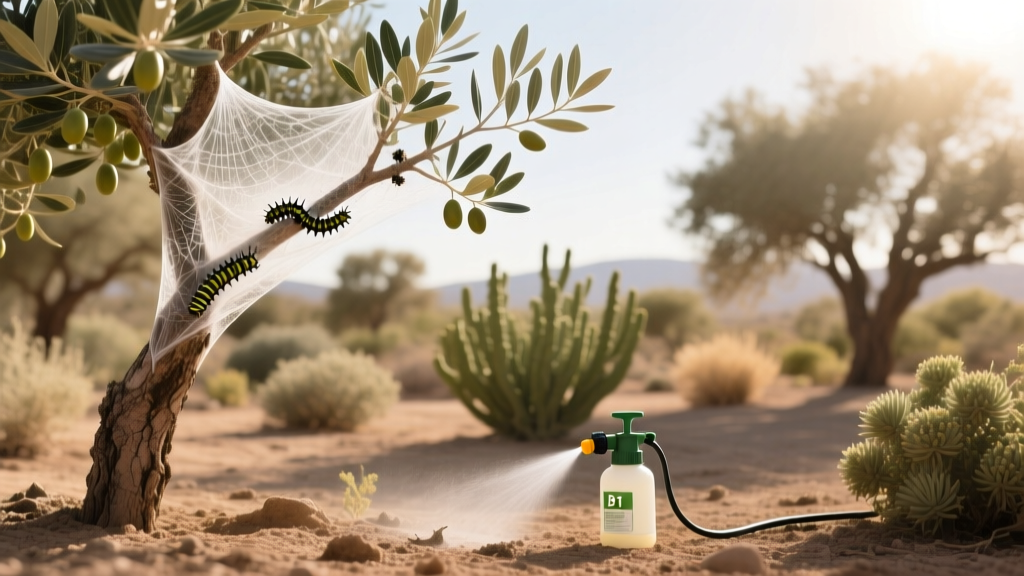
Fall Webworm Bt Control For Xeriscape Trees: 2026 Guide
Emily WatsonPublished
Introduction to Fall Webworms in Xeriscape Landscapes
As we navigate the extended late-summer heatwaves of 2026, xeriscape and low-water landscapes are proving their immense value in residential and commercial settings. However, drought-tolerant does not mean pest-proof. One of the most common and visually alarming pests targeting xeriscape trees this season is the fall webworm (Hyphantria cunea). These caterpillars are notorious for constructing large, unsightly silken tents in the outer canopy of trees, feeding voraciously on the foliage inside. While they rarely kill a healthy, established tree, the defoliation they cause can severely stress drought-adapted species that are already conserving energy during peak summer heat.
In xeriscape environments, trees like the Desert Willow (Chilopsis linearis), Texas Redbud (Cercis canadensis var. texensis), Arizona Ash (Fraxinus velutina), and various native oaks are frequent targets. The challenge for the modern xeriscape gardener in 2026 is managing these pests without disrupting the delicate, low-water soil microbiome or wasting precious irrigation water on chemical applications. This is where the biological insecticide Bacillus thuringiensis (Bt) becomes an indispensable tool in your arid-landscape arsenal.
The Xeriscape Dilemma: Why Avoid Systemic Drenches?
In traditional, high-water landscaping, arborists often recommend systemic insecticides like imidacloprid to manage chewing pests. These products are typically applied as a soil drench, requiring the homeowner to mix the chemical with several gallons of water and pour it over the root zone so the tree can absorb it. For a xeriscape garden, this approach is fundamentally flawed.
First, drenching the soil with gallons of water contradicts the core principle of low-water landscaping, which relies on deep, infrequent, and highly calculated irrigation schedules. Second, excessive moisture around the root flare of drought-adapted trees can invite root rot fungi, such as Phytophthora, which thrive in overly saturated soils. Finally, broad-spectrum systemics can harm the beneficial soil nematodes and mycorrhizal fungi that xeriscape trees depend on to scavenge for scarce nutrients and moisture in dry soil. Therefore, a targeted, low-water foliar approach is required.
Why Bacillus thuringiensis (Bt) is the 2026 Xeriscape Standard
Bacillus thuringiensis var. kurstaki (Btk) is a naturally occurring soil bacterium that produces proteins toxic only to the larvae of specific insects, primarily caterpillars. When a fall webworm ingests Bt-treated foliage, the alkaline environment of its gut dissolves the protein crystals, causing gut paralysis and eventual death within a few days. According to the Environmental Protection Agency (EPA), Bt is highly specific, meaning it poses virtually no risk to humans, pets, birds, or beneficial insects like bees and ladybugs.
For xeriscaping, Bt is the ultimate solution because it is applied as a localized foliar spray. You only need enough water to fill a standard 1- or 2-gallon pump sprayer to coat the affected canopy. This preserves your strict xeriscape irrigation schedule, prevents soil saturation, and leaves the complex, drought-adapted soil food web completely intact. Furthermore, by preserving beneficial predator insects, Bt allows natural enemies like parasitic wasps and predatory spiders to continue managing secondary pest populations in your low-water garden.
Identifying Fall Webworm Damage vs. Drought Stress
One of the most common mistakes xeriscape gardeners make in 2026 is misidentifying canopy dieback. Because xeriscape trees are intentionally kept on the edge of their moisture comfort zones, they frequently drop leaves during late summer to conserve water. It is vital to distinguish between natural drought-induced leaf abscission and an active fall webworm infestation before reaching for the sprayer.
| Symptom | Drought Stress (Natural Xeriscape Response) | Fall Webworm Infestation |
|---|---|---|
| Leaf Loss | Leaves turn yellow or brown and drop cleanly from the branch. | Leaves are skeletonized, chewed, and remain trapped inside a silken web. |
| Webbing | No webbing present; branches are bare or have intact foliage. | Large, expanding, dirty-white silken tents engulf branch tips and foliage. |
| Location on Tree | Affects the entire canopy, often starting at the inner or lower branches. | Localized to the outer, sunny tips of branches where egg masses were laid. |
| Pest Presence | No insects visible; bark may show minor sunscald cracking. | Hairy, pale caterpillars with black or orange spots visible inside the web. |
If you observe the telltale silken tents at the branch tips, you are dealing with fall webworms. The Colorado State University Extension notes that while the webs are ugly, the actual threat to the tree's long-term health is minimal if the tree is otherwise established, but treatment is recommended to preserve the aesthetic and prevent late-season energy depletion in xeriscape specimens.
Step-by-Step Bt Application Guide for Xeriscape Trees
1. Timing the Application
Timing is everything when using Bt, as it only targets the larval (caterpillar) stage and must be ingested to work. In 2026, shifting climate patterns have caused the second generation of fall webworms to emerge earlier in late July across many arid and semi-arid xeriscape zones. You must apply Bt when the caterpillars are young and the silken tents are still small (less than the size of a football). Once the tents grow large and the caterpillars mature, they stop feeding heavily and become highly resistant to Bt. Monitor your Desert Willows and native oaks closely starting in mid-July.
2. Selecting the Right Bt Product
Look for products specifically labeled for caterpillar control containing Bacillus thuringiensis var. kurstaki. Popular, highly effective formulations available in 2026 include Thuricide and Dipel. These come in liquid concentrates or wettable powders. Liquid concentrates are generally preferred for xeriscape gardeners because they mix instantly in small pump sprayers without leaving powdery residues that can clog fine spray nozzles.
3. Mixing and Spraying with Water Conservation in Mind
To apply Bt while honoring low-water landscaping principles, follow these steps:
- Mix Precisely: Use a 1-gallon or 2-gallon handheld pump sprayer. Mix the Bt concentrate exactly according to the label rate (usually 1 to 2 tablespoons per gallon of water). Do not mix more than you can use immediately, as Bt degrades rapidly in standing water.
- Pierce the Tent: Fall webworm tents are designed to repel moisture. Use a long stick or a bamboo pole to gently tear open the silken webbing before you spray. This exposes the caterpillars and allows the Bt solution to reach the inner foliage.
- Targeted Spraying: Spray the exposed foliage thoroughly until it is lightly coated, but avoid spraying to the point of heavy runoff. Drenching the tree wastes water and washes the Bt off the leaves before it can dry. The University of Minnesota Extension emphasizes that thorough coverage of the leaf surface is critical, as the caterpillars must eat the treated leaf tissue to ingest the bacteria.
- Reapplication: Bt breaks down rapidly under intense UV light, which is abundant in xeriscape environments. You will likely need to reapply the spray every 5 to 7 days if new tents appear or if a rare late-summer monsoon rain washes the product away.
Integrating Bt with Long-Term Xeriscape Tree Care
Controlling fall webworms with Bt is only one piece of the xeriscape tree care puzzle. To ensure your drought-tolerant trees remain resilient against future pest pressures, you must integrate biological control with proper cultural practices.
First, maintain a proper mulch ring. In xeriscaping, organic mulch (like shredded hardwood or arborist chips) should be applied in a 2- to 3-inch layer over the root zone to conserve soil moisture and moderate soil temperatures. However, keep the mulch at least 3 inches away from the trunk flare to prevent rot. A well-mulched, adequately hydrated tree is naturally more capable of pushing out a second flush of leaves if fall webworms do manage to defoliate a branch.
Second, practice judicious pruning. If a webworm tent is located on a small, easily accessible outer branch, you can simply use bypass pruners to snip off the infested branch tip and dispose of it in your green waste bin. This mechanical control method requires zero water and zero chemicals. However, avoid heavy canopy pruning during the heat of late summer, as removing too much photosynthetic tissue will shock a drought-stressed xeriscape tree and inhibit its ability to store carbohydrates for the upcoming winter.
Conclusion
Managing fall webworms in a xeriscape landscape requires a shift away from water-wasting systemic drenches and broad-spectrum chemicals. By utilizing Bacillus thuringiensis (Bt) in 2026, you can effectively eliminate caterpillar populations with a highly targeted, low-volume foliar spray. This approach protects your Desert Willows, native oaks, and other drought-tolerant specimens while perfectly preserving the water conservation ethos and delicate soil biology of your xeriscape garden. Monitor your trees early, tear open the tents, and let nature's most precise biological insecticide do the heavy lifting.