Tree Care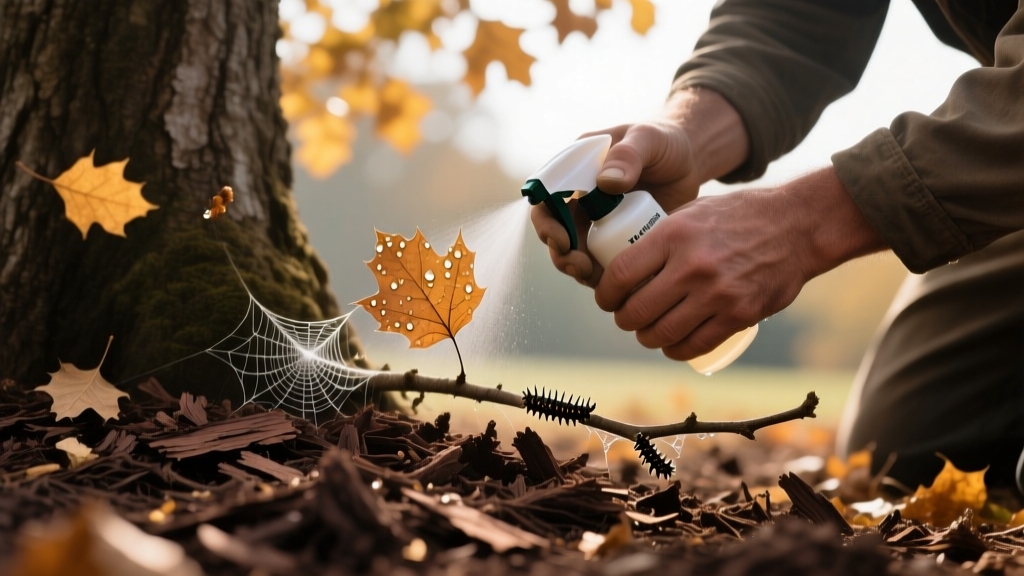
2026 Fall Webworm Bt Control and Mulching Strategies
Sarah ChenPublished
The Fall Webworm Threat in 2026
The fall webworm (Hyphantria cunea) is a notorious defoliator that creates unsightly, silken webs in the canopies of over 100 species of deciduous trees. While mature trees can typically withstand the cosmetic damage, young or stressed trees can suffer severe health declines from repeated defoliation. In 2026, shifting climate patterns have led to longer, more humid late summers, creating ideal breeding conditions for multiple generations of webworms. As a result, arborists and horticulturists are moving away from broad-spectrum chemical pesticides and adopting Integrated Pest Management (IPM) strategies. The cornerstone of this modern approach combines targeted biological controls—specifically Bacillus thuringiensis (Bt)—with strategic mulching methods designed to disrupt the pest's life cycle and bolster tree immunity.
Bacillus thuringiensis (Bt): The Biological Standard
Bacillus thuringiensis var. kurstaki (Btk) is a naturally occurring soil bacterium that produces crystalline proteins toxic to caterpillars. When early-instar fall webworm larvae ingest foliage treated with Btk, the proteins crystallize in their alkaline digestive tracts, causing paralysis and death within days. According to the Environmental Protection Agency (EPA), Bt is highly specific to target pests and poses no threat to beneficial insects, birds, pets, or humans, making it the premier choice for residential tree care in 2026.
Timing is everything. Bt must be applied when the webs are still small (usually late July to early August) and the larvae are young. Because Bt degrades rapidly under UV light, it must be reapplied every 7 to 10 days during peak hatching. Current 2026 formulations, such as Monterey B.t. or Bonide Thuricide, cost between $15 and $25 for a 16-ounce concentrate, which is enough to treat dozens of mature shade trees when applied with a pressurized hose-end sprayer.
The Mulching Connection: Breaking the Pupal Cycle
While Bt handles the active caterpillar stage in the canopy, the battle against fall webworms is ultimately won or lost on the forest floor. After feeding for four to six weeks, the caterpillars drop to the ground to pupate in the soil and leaf litter. They overwinter in these cocoons, emerging as moths the following spring. This is where your mulching methods become a critical weapon.
Improper mulching—often referred to as 'volcano mulching'—creates a thick, matted, and humid environment around the base of the tree. This excessive organic matter acts as an insulating blanket, protecting overwintering webworm pupae from freezing winter temperatures and hiding them from predatory ground beetles. Furthermore, suffocated roots from piled mulch weaken the tree, making it less resilient to the defoliation caused by the next generation of webworms. By correcting your mulching techniques, you expose the pupae to the elements and build a robust soil microbiome that supports tree vigor.
Strategic Mulching Methods for Webworm Prevention
1. Winter Sanitation and Root Flare Exposure
Before applying any new mulch, you must perform sanitation mulching. In late fall, rake out all web-infested leaf litter and debris from beneath the tree's drip line. Do not compost this material, as home compost piles rarely reach the temperatures required to kill webworm pupae. Instead, bag it for municipal yard waste pickup. Next, carefully excavate the root flare—the area where the trunk expands into the root system. Exposing the root flare ensures the tree is not stressed and removes the prime, sheltered habitat where pupae love to hide.
2. The 3-Inch Arborist Chip Method
Once the area is sanitized, apply a fresh layer of coarse arborist wood chips. The golden rule for 2026 is the 3-3-3 method: 3 inches deep, in a 3-foot radius (or out to the drip line for larger trees), and kept 3 inches away from the trunk. Coarse wood chips allow water and oxygen to penetrate the soil while preventing the matting that shelters pupae. According to University of Minnesota Extension, maintaining proper soil moisture and aeration through correct mulching helps trees rapidly regenerate lost foliage after a webworm outbreak.
Mulch Material Comparison for Pest Management
Not all mulches perform equally when managing pest life cycles. Below is a comparison of common mulching materials and their efficacy in an IPM webworm strategy:
| Mulch Type | Pest Deterrence | Soil Aeration | Best Use Case |
|---|---|---|---|
| Coarse Arborist Wood Chips | High (prevents matting, exposes pupae to cold) | Excellent | Primary mulch for all deciduous shade trees. |
| Shredded Hardwood | Moderate (can mat if applied too thickly) | Good | Aesthetic beds; requires annual fluffing to prevent compaction. |
| Cedar Mulch | High (natural oils deter some pupating insects) | Good | Highly infested areas; provides mild aromatic deterrence. |
| Pine Straw | Low (interlocks and creates dense pupal hiding spots) | Poor | Avoid using under trees with a history of webworm infestations. |
| Rubber / Inorganic Mulch | High (no organic habitat for pupae) | Poor | Not recommended; harms soil biology and tree long-term vigor. |
Step-by-Step Bt Application and Mulch Placement
To maximize your 2026 IPM efforts, follow this precise application sequence:
- Scout the Canopy: In early August, look for small, silken webs at the branch tips. University of Kentucky Entomology notes that early detection is vital, as older caterpillars are highly resistant to Bt.
- Mix the Bt Solution: Combine 2 to 4 ounces of Btk concentrate per gallon of water. Add a non-ionic horticultural surfactant to help the solution penetrate the silken webbing.
- Spray Thoroughly: Using a pressurized pump sprayer, coat the foliage inside and surrounding the web. The caterpillars must eat the treated leaves for the Bt to work.
- Clear the Ground: Once the webs die and drop, rake the ground beneath the tree. Remove all fallen, webbed debris.
- Apply Mulch Correctly: Lay down 3 inches of coarse cedar or arborist chips, ensuring a strict 3-inch gap around the trunk to prevent fungal pathogens and root girdling.
Your 2026 Integrated Webworm and Mulch Calendar
| Season | Canopy Action (Bt & Pruning) | Ground Action (Mulch & Soil) |
|---|---|---|
| Spring | Monitor for early moth activity; avoid pruning to prevent stressing new growth. | Refresh mulch layer to 3 inches; ensure root flare is exposed and soil is aerated. |
| Summer | Apply Btk at first sign of small webs; reapply every 7-10 days during peak hatch. | Water deeply through the mulch layer during droughts to maintain tree vigor. |
| Fall | Prune out heavily webbed, dead branch tips if safely reachable. | Rake and destroy all infested leaf litter; do not leave debris on the mulch. |
| Winter | Dormant season; inspect branches for egg masses and scrape them off. | Lightly cultivate the top inch of soil/mulch to expose any surviving pupae to freezing air. |
Conclusion
Managing the fall webworm in 2026 requires looking beyond the canopy and addressing the soil environment. By deploying Bacillus thuringiensis to safely eliminate active caterpillars and utilizing strategic, aerated mulching methods to destroy overwintering pupae, you create a hostile environment for pests while fostering a thriving, resilient tree. Remember that proper mulch placement is just as critical as the material you choose; keep it thin, keep it away from the trunk, and let nature's biological controls do the heavy lifting.