Tree Care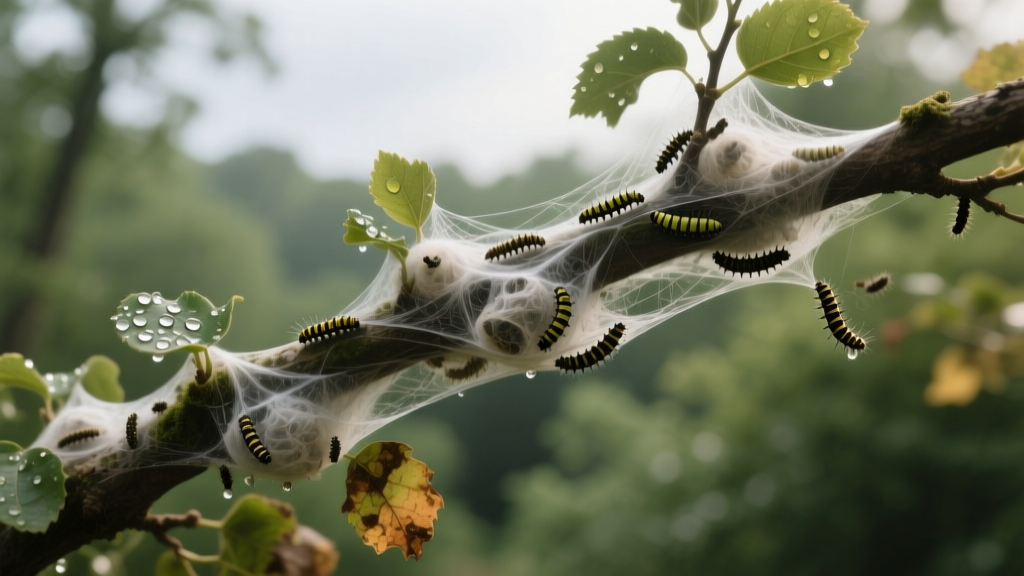
Fall Webworm Bt Treatment: 2026 Photo Documentation
Emily WatsonPublished
The Intersection of Pest Management and Garden Photography
In the evolving landscape of 2026 garden care, the role of the home arborist and horticulturist has expanded beyond mere maintenance into the realm of citizen science and meticulous visual documentation. One of the most visually striking—and ecologically frustrating—pests to document in the late summer and early autumn landscape is the fall webworm (Hyphantria cunea). While these pests create unsightly silken tents at the tips of tree branches, they also present a unique opportunity for garden photographers to track pest life cycles, treatment efficacy, and environmental recovery over time.
This comprehensive guide merges the art of macro garden photography with the science of organic pest control. By utilizing Bacillus thuringiensis var. kurstaki (Btk) to manage fall webworm populations, you can protect your trees while building a rich, visual 2026 garden journal. Documenting this process not only improves your local pest management strategies but also contributes valuable visual data to local extension offices and online horticultural communities.
Identifying the Fall Webworm Through the Lens
Before you can treat the infestation, you must accurately identify it. The fall webworm is frequently confused with the eastern tent caterpillar, but their behaviors and web structures are distinctly different. According to Penn State Extension, fall webworms construct their large, messy, silken tents at the very ends of branches in late summer and fall, whereas tent caterpillars build tighter webs in the crotches of branches in the spring.
When photographing the initial infestation for your documentation journal, focus on the following visual markers:
- Web Structure: Capture the chaotic, expansive nature of the silk, which often envelops entire clusters of leaves. Use a mid-range aperture (f/8) to keep both the foreground silk and the caterpillars inside in sharp focus.
- Caterpillar Morphology: Fall webworm larvae are pale yellow to green with tufts of white or rust-colored hairs. A dedicated macro lens (such as a 90mm or 100mm f/2.8) is essential to capture the setae (hairs) and the distinct black or orange tubercles along their bodies.
- Frass Accumulation: Look for and photograph the accumulation of green or brown frass (caterpillar droppings) caught in the lower webbing. This is a key indicator of colony size and feeding activity.
Camera Gear and Settings for Silken Tents
Photographing the intricate, chaotic webbing of a fall webworm nest requires specific gear to manage the reflective nature of silk and the depth of field required for macro work. In 2026, high-resolution mirrorless cameras equipped with focus-bracketing capabilities have become the gold standard for this type of documentation.
Silk is highly reflective, and direct sunlight or a bare on-camera flash will result in blown-out highlights, turning the delicate web into a solid white blob. To counter this, use a diffused off-camera flash or a specialized macro ring light with a diffuser. A circular polarizer (CPL) on your lens can also help cut the glare from the sunlit silk, revealing the caterpillars hiding beneath the canopy of the web. Shoot in RAW format to retain maximum dynamic range, allowing you to pull back highlight details in post-processing when cataloging your 2026 pest observations.
Bacillus thuringiensis (Bt): The 2026 Eco-Friendly Standard
Once the infestation is thoroughly documented, it is time to intervene. In 2026, Bacillus thuringiensis var. kurstaki (Btk) remains the premier biological control agent for lepidopteran larvae like the fall webworm. Btk is a naturally occurring soil bacterium that, when ingested by caterpillars, produces crystalline proteins that bind to the alkaline receptors in their midgut. This causes gut paralysis, cessation of feeding within hours, and eventual death within 2 to 5 days.
From an ecological documentation standpoint, Btk is invaluable. The Royal Horticultural Society (RHS) notes that targeted biological controls like Bt do not harm beneficial insects, pollinators, birds, or mammals. This means your garden photography can continue to capture the presence of beneficial parasitic wasps, predatory stink bugs, and local avian species that often gather around the webs to feed on the vulnerable larvae, without fear of collateral chemical damage.
For your 2026 treatment, look for OMRI-listed (Organic Materials Review Institute) liquid formulations such as Monterey B.t. or Thuricide. Liquid concentrates are preferred for foliar sprays because they can be easily mixed and applied to the foliage immediately surrounding the web tents, which the caterpillars will consume as they expand their silken territory.
Documenting the Bt Application Process
A true garden documentation project tracks the intervention as rigorously as the infestation. When preparing your Bt spray, record the following data points in your journal or metadata tags:
- Mixing Ratios: Typically, 1 to 2 fluid ounces of Bt concentrate per gallon of water. Photograph the mixing process and the label of the product used for future reference.
- Environmental Conditions: Btk is sensitive to UV degradation. It is best applied in the late afternoon or early evening. Document the time of day, temperature, and wind speed. Wind speeds above 5 mph can cause spray drift, which should be noted in your records.
- Application Technique: You do not need to inject the spray directly into the center of the web. Instead, thoroughly coat the foliage immediately adjacent to and just inside the periphery of the tent. As the webworms expand their web to reach new leaves, they will ingest the Bt-coated foliage. Capture wide-angle shots of the tree canopy and macro shots of the spray droplets on the leaves surrounding the web.
Visual Tracking and Efficacy Chart
Maintaining a structured log is crucial for assessing the long-term efficacy of your Bt treatments. Below is a documentation template you can use for your 2026 garden journal to track the visual progression of the fall webworm colony post-treatment.
| Day | Action / Observation | Photographic Focus | Expected Visual Result (Btk) |
|---|---|---|---|
| Day 0 | Initial discovery and colony sizing. | Macro shots of larvae, wide shots of web scale. | Active, pale green/yellow larvae; tight webbing. |
| Day 1 | Btk application at dusk. | Spray coverage on peripheral foliage; weather data. | N/A (Treatment day). |
| Day 3 | First post-treatment visual check. | Feeding edges of the web; larval movement. | Feeding should have stopped; larvae may appear sluggish. |
| Day 5 | Efficacy assessment. | Close-ups of larval coloration and web integrity. | Larvae turn dark brown/black (melanization); webbing loosens. |
| Day 7 | Colony collapse and predator activity. | Birds/wasps foraging; degraded silk and frass. | Empty, tattered webs; dead larvae on branch tips. |
Assessing Efficacy Through the Lens
One of the most fascinating aspects of documenting Bt treatment is observing the physiological changes in the caterpillars through macro photography. Unlike broad-spectrum neurotoxic insecticides that cause immediate drop-off, Bt induces a slower, visible decline. By Day 3 or 4, your macro lenses will capture the caterpillars ceasing their expansion of the web. They will often wander aimlessly or remain completely static.
By Day 5, the process of melanization begins. The once pale, vibrant larvae will darken significantly, turning a sickly brown or black as their internal tissues break down and secondary bacterial infections take hold. Photographing this color shift provides undeniable visual proof of the Btk's efficacy. Furthermore, as the colony dies off, the structural integrity of the silken tent degrades. Wind and rain will begin to tear the web apart, revealing the skeletal remains of the defoliated branch tips. Capturing this degradation over a two-week period makes for an excellent time-lapse photography project, illustrating nature's ability to reclaim the canopy.
Archiving Your 2026 Garden Journal
At the end of the autumn season, compile your macro images, environmental data, and treatment logs into a digital or physical garden journal. This 2026 archive will serve multiple purposes: it acts as a baseline for next year's pest pressure, provides a visual case study for local master gardener programs, and refines your own photographic techniques in the challenging realm of outdoor macro pest documentation. By treating pest management as a visual science, you elevate your garden care from a simple chore to a rewarding, year-round botanical study.