Pest Control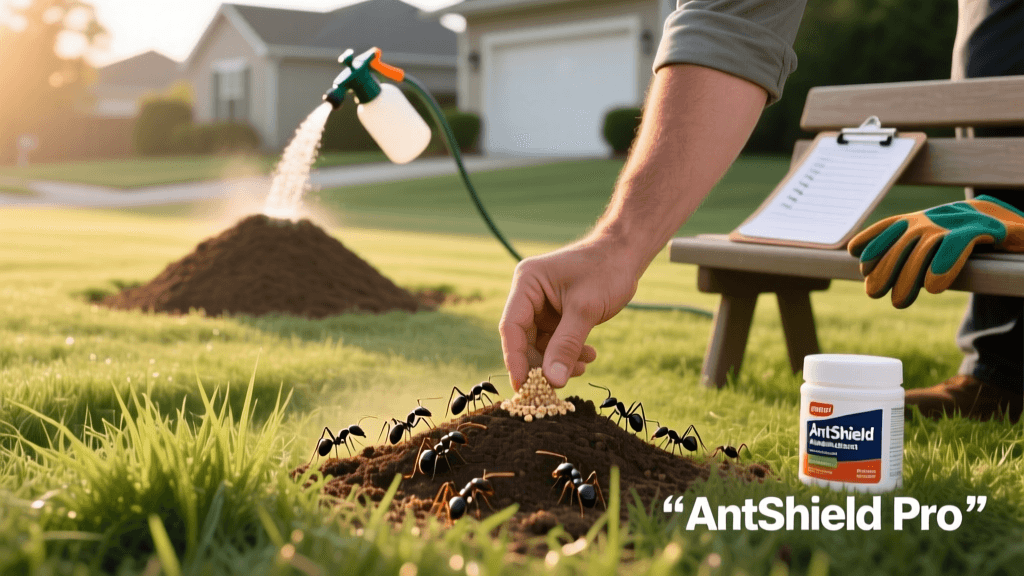
Expert Fire Ant Control: The Two-Step Method Explained
The Science Behind the Two-Step Fire Ant Method
For homeowners in the Southern and Southeastern United States, the Red Imported Fire Ant (Solenopsis invicta) is more than a nuisance; it is a significant threat to lawn health, outdoor enjoyment, and even the safety of pets and children. A single mature fire ant colony can contain over 400,000 workers and multiple queens, making superficial treatments entirely ineffective. To achieve long-term suppression, turfgrass managers and university entomologists universally recommend the Two-Step Method.
The Two-Step Method is an Integrated Pest Management (IPM) strategy that combines the colony-wide elimination power of broadcast baits with the rapid knockdown of targeted mound treatments. By understanding the foraging behavior and social structure of fire ants, you can deploy this method to reduce mound populations by 80% to 90% while minimizing chemical exposure and long-term costs.
Step 1: Broadcast Baiting (The Foundation)
The first step targets the entire colony, including the deep-dwelling queens. Fire ant workers forage for food along underground tunnels and the soil surface. When they encounter a bait, they carry it back to the mound and share it with the larvae and queens through a process called trophallaxis. This slow-acting approach ensures the poison is distributed throughout the colony before the workers die, ultimately collapsing the entire population from the inside out.
Top Expert-Recommended Baits
- Advion Fire Ant Bait (0.04% Indoxacarb): A highly palatable bait that requires only 1.5 pounds per acre. It is exceptionally effective against multi-queen colonies and typically costs around $40 per 2-pound bag, making it highly cost-effective for large properties.
- Extinguish (0.5% Methoprene): An Insect Growth Regulator (IGR) that sterilizes the queen and prevents larvae from maturing. It takes 3 to 4 weeks to see a decline, but it offers excellent long-term suppression. Cost: ~$25 per 4.5-pound bag (treats up to 3 acres).
- Amdro Pro (0.73% Hydramethylnon): A traditional metabolic inhibitor. It works well but degrades quickly in sunlight and moisture, requiring precise application timing.
Application Timing and Weather Constraints
Baits must be applied when ants are actively foraging. The ideal soil temperature for foraging is between 65°F and 90°F. Never apply bait if rain is expected within 48 hours, as moisture ruins the palatability of the corn grit carrier. Apply baits in the late afternoon or early evening during the heat of summer, as ants forage closer to the surface when daytime temperatures drop.
Step 2: Targeted Mound Treatments (Immediate Relief)
While Step 1 handles the broader population, it takes anywhere from 3 days to 4 weeks to kill a colony. If you have mounds located in high-traffic areas—such as near mailboxes, playgrounds, or patios—you need immediate relief. Step 2 involves applying a fast-acting contact insecticide directly to nuisance mounds 7 to 10 days after your broadcast bait application.
Choosing the Right Mound Treatment
- Bifen LP (Bifenthrin Granules): A versatile contact granular insecticide. Apply 1/2 cup around the base of the mound and water it in lightly. Cost: ~$60 for a 25-pound bag.
- Acephate 97 (Orthene): A water-soluble powder that can be mixed as a mound drench. It penetrates deep into the soil profile to kill queens quickly. Cost: ~$30 per pound.
- Spinosad Drenches (e.g., Conserve): An organic-certified option derived from soil bacteria. Excellent for vegetable gardens and areas where pets roam freely.
Data Comparison: Broadcast Baits vs. Contact Mound Treatments
| Feature | Broadcast Baits (Step 1) | Contact Mound Treatments (Step 2) |
|---|---|---|
| Primary Goal | Colony elimination & queen death | Rapid knockdown of nuisance mounds |
| Speed of Kill | 3 days to 4 weeks | 15 minutes to 24 hours |
| Cost per Acre | $10 - $20 | $30 - $50 (if treating every mound) |
| Environmental Impact | Low (targeted ingestion by ants) | Moderate (broad-spectrum contact kill) |
| Best Active Ingredients | Indoxacarb, Methoprene, Hydramethylnon | Bifenthrin, Acephate, Spinosad, Lambda-cyhalothrin |
Expert Best Practices and Pro Tips
The 'Peanut Butter and Potato Chip' Foraging Test
Before spending money on expensive baits, verify that the colony is actively foraging. Place a small dab of peanut butter (for protein) and a greasy potato chip (for fats/carbs) about two feet away from an active mound. If 10 to 20 ants swarm the food within 15 to 30 minutes, foraging conditions are optimal, and it is the perfect time to broadcast your bait.
Avoid the 'Disturb and Treat' Mistake
A common novice mistake is stepping on or disturbing a mound right before applying a surface treatment. Disturbing the mound triggers a defensive response, causing the queens to migrate deep underground or bud off to form satellite colonies. Always approach mounds quietly and apply treatments without breaking the soil crust.
Protecting Pollinators and Waterways
While fire ant baits are generally safe for pollinators because the granules are hidden underground by the ants, contact insecticides like Bifenthrin are highly toxic to bees and aquatic life. Never apply contact drenches near storm drains, ponds, or during the blooming period of adjacent clover or broadleaf weeds.
Seasonal Fire Ant Management Calendar
To maintain a fire ant-free lawn, experts recommend treating on a bi-annual schedule rather than reacting to summer mounds.
- Mid-April to May (Spring Application): Apply a broadcast bait like Extinguish (IGR) to prevent spring mating flights and suppress colony growth before the summer heat.
- July to August (Summer Spot Treatment): Use Step 2 contact drenches only on nuisance mounds that appear in high-traffic areas.
- September to October (Fall Application): Apply a fast-acting bait like Advion. Fall is the most critical time to treat, as colonies are actively foraging to store winter fat reserves, ensuring the bait is pulled deep into the overwintering nest.
Authoritative Sources and Further Reading
'The Two-Step Method is the most cost-effective and environmentally sound approach to managing imported fire ants in large areas. By utilizing baits for area-wide suppression and reserving contact insecticides for sensitive sites, homeowners can drastically reduce chemical loads in their landscapes.'
For localized advice, always consult your county's cooperative extension office, as fire ant species and environmental regulations can vary significantly between states like Texas, Florida, and Georgia. Proper calibration of your spreader and strict adherence to label instructions are the hallmarks of professional-grade pest control.