Tree Care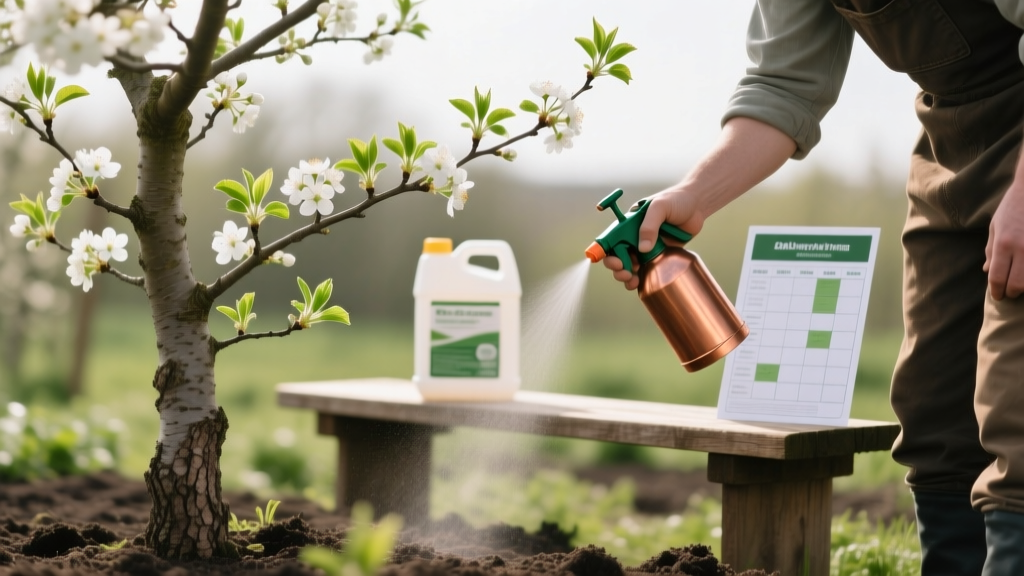
2026 Fire Blight ID, Copper Spray & Fertilizer Guide
Robert HayesPublished
Understanding Fire Blight in 2026
Fire blight, caused by the destructive bacterium Erwinia amylovora, remains one of the most devastating diseases for pome fruit trees, including apples, pears, crabapples, and hawthorns. As we navigate the 2026 growing season, arborists and home gardeners alike are facing increasingly unpredictable spring weather patterns that create ideal conditions for bacterial proliferation. Warm, humid days followed by rain or heavy dew provide the perfect environment for this pathogen to spread rapidly through blossoms and young shoots. However, managing fire blight is not solely about applying bactericides; it requires a holistic approach that heavily involves your fertilization strategy. In this comprehensive guide, we will explore how to accurately identify fire blight, deploy copper sprays effectively, and most importantly, adjust your fertilizer types and schedules to starve the bacteria rather than feed it.
How to Identify Fire Blight Symptoms
Early identification is critical to preventing a localized infection from becoming an orchard-wide epidemic. The bacteria typically enter the tree through blossoms, natural plant openings (lenticels), or wounds caused by pruning and storm damage. Once inside, the pathogen moves systemically through the tree's vascular system. According to the University of Minnesota Extension, recognizing the following hallmark symptoms is your first line of defense:
- The Shepherd's Crook: This is the most classic visual indicator. Infected young shoots and branch tips wilt rapidly, darken, and bend over into a distinctive hook shape, resembling a shepherd's staff.
- Bacterial Ooze: During warm, humid weather, infected bark and cankers may exude a sticky, milky-white to amber-colored liquid. This ooze is teeming with billions of bacteria and is easily spread by rain splash and pollinating insects.
- Scorched Blossoms and Leaves: Infected blossoms turn brown or black and shrivel, often clinging to the branch rather than falling off. Leaves on affected branches appear as though they have been scorched by fire, turning dark brown or black while remaining attached to the twig.
- Cankers: On older wood, the bacteria cause sunken, discolored areas of bark known as cankers. The bark may appear water-soaked initially, later cracking and peeling away from the underlying wood.
The Fertilizer Connection: Why Nitrogen Feeds the Blight
When discussing tree care, fertilization is usually viewed as a purely beneficial practice. However, in the context of fire blight management, your fertilizer schedule can either be your greatest defense or your biggest liability. The bacterium Erwinia amylovora thrives on the amino acids and nutrients present in young, succulent, rapidly growing plant tissue. When gardeners apply high-nitrogen, fast-release synthetic fertilizers in early spring, they force the tree into a state of rapid vegetative growth. This produces soft, watery shoots that lack the thick cuticle and cellular defenses needed to resist bacterial invasion.
Excessive nitrogen fertilization is widely recognized by plant pathologists as one of the primary cultural factors that exacerbate fire blight severity. In 2026, the focus for blight-prone trees must shift from maximizing rapid growth to promoting steady, hardened, and resilient tissue development. This means completely avoiding quick-release nitrogen spikes during the peak spring infection window.
Best Fertilizer Types and Schedules for Blight Resistance
To build natural resistance, you must transition to slow-release and organic alternatives that provide a steady, low-dose nutrient supply. Incorporating bio-stimulants and potassium-rich amendments can also help thicken plant cell walls, making it physically harder for the bacteria to penetrate the tissue. Below is a comparison of fertilizer types and their impact on fire blight susceptibility.
| Fertilizer Type | Release Rate | Fire Blight Risk | Best Application Window |
|---|---|---|---|
| High-Nitrogen Synthetic (e.g., Urea) | Fast (Days) | Very High | Avoid entirely on blight-prone trees |
| Polymer-Coated Slow-Release | Gradual (Months) | Low | Late fall or very early spring (pre-green tip) |
| Organic Compost / Well-Rotted Manure | Slow (Season-long) | Very Low | Top-dress in late autumn or early spring |
| High-Potassium / Low-Nitrogen Blend | Moderate | Low (Promotes hardiness) | Late summer to early fall to harden off wood |
| Seaweed / Kelp Bio-stimulants | Immediate uptake | None (Boosts immunity) | Spring and early summer as a foliar or drench |
For the 2026 season, soil testing is non-negotiable. Before applying any granular fertilizer, conduct a comprehensive soil test to determine your baseline nitrogen levels. If your soil already contains adequate nitrogen, skip spring feeding entirely and focus on potassium and calcium supplementation to fortify cell walls.
Copper Spray Prevention: Timing and Application
While proper fertilization reduces the tree's internal susceptibility, copper-based bactericides are essential for reducing the external bacterial load on the tree's surface. Copper sprays do not cure an existing infection, but they act as a protective shield, preventing the bacteria from entering the plant tissues. The USDA APHIS emphasizes that timing and formulation are critical to maximizing efficacy while avoiding phytotoxicity (plant damage).
Dormant Season Applications
The most aggressive copper application should occur during the dormant season, typically in late winter just before bud swell. A Bordeaux mixture (copper sulfate and hydrated lime) or a high-concentration fixed copper spray (like copper hydroxide) is applied to the trunk and scaffolding branches. This dormant spray targets the overwintering cankers, significantly reducing the amount of bacterial inoculum available to infect spring blossoms.
Bloom and Growing Season Sprays
Once the tree breaks dormancy, you must switch to lower-concentration, gentler copper formulations to avoid damaging the delicate flower petals and young leaves, which are highly sensitive to copper toxicity. Products containing copper octanoate or low-rate copper hydroxide are preferred during the 'green tip' and 'pink bud' stages. Spraying must be halted once blossoms fully open to avoid harming essential pollinators and to prevent the copper from causing russeting (scarring) on the developing fruit.
The Integrated 2026 Fire Blight Defense Schedule
Combining your fertilization and spraying routines requires careful timing. Here is an integrated schedule designed for the 2026 growing season:
- Late Winter (Dormant): Apply a heavy dormant copper spray (Bordeaux mixture) to all trunks and branches. Prune out any visible overwintering cankers, cutting at least 12 inches below the visible margin of infection. Sterilize pruning tools with a 10% bleach solution or 70% isopropyl alcohol between every single cut.
- Early Spring (Pre-Green Tip): If a soil test indicates a severe nutrient deficiency, apply a low-nitrogen, slow-release organic fertilizer. Avoid high-nitrogen synthetics.
- Green Tip to Pink Bud Stage: Apply a reduced-rate, bloom-safe copper spray (such as copper octanoate) every 5 to 7 days if the weather is warm (above 65°F) and humid. This protects the emerging floral tissues.
- Bloom Stage: Cease all copper sprays to protect pollinators. Monitor blossoms daily for signs of wilting or darkening.
- Petal Fall to Early Summer: Resume monitoring. If fire blight strikes, perform emergency 'ugly stub' pruning cuts well below the infection site during dry weather. Do not fertilize during this period, as any new growth will be highly vulnerable.
- Late Summer / Early Fall: Apply a high-potassium, zero-nitrogen fertilizer to help the tree harden off its wood for winter, increasing its natural disease resistance for the following year.
Pruning and Sanitation Protocols
No fertilizer or copper spray can compensate for poor sanitation. Fire blight bacteria can survive on pruning tools, making your shears and saws potential vectors for the disease. In 2026, professional arborists recommend having multiple sets of pruning tools on hand. Keep one set soaking in a strong disinfectant solution while you use the other, swapping them out between trees. Furthermore, never prune blight-infected wood during wet weather; wait for a stretch of dry days to ensure the fresh cuts callus over quickly without drawing in moisture-borne bacteria.
Conclusion
Defeating fire blight requires a paradigm shift from reactive treatments to proactive cultural management. By accurately identifying the early symptoms of Erwinia amylovora, utilizing targeted copper sprays during the tree's most vulnerable phenological stages, and strictly regulating your nitrogen fertilizer schedule, you can protect your pome fruit trees from this devastating pathogen. Embrace slow-release nutrition, prioritize potassium for cellular defense, and maintain rigorous sanitation protocols to ensure your orchard remains healthy, productive, and blight-free throughout 2026 and beyond.
