Tree Care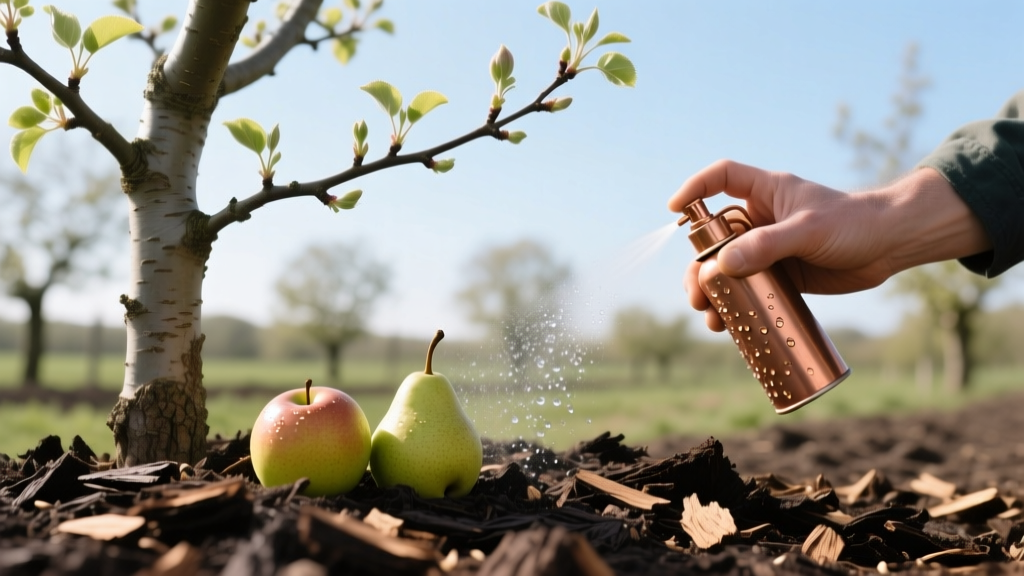
2026 Fire Blight Prevention: Copper Sprays & Mulching Methods
Sarah ChenPublished
The Rising Threat of Fire Blight in 2026
As we navigate the 2026 growing season, home orchardists and landscape managers are facing increased pressure from fire blight, a devastating bacterial disease caused by the pathogen Erwinia amylovora. This bacterium primarily targets trees and shrubs in the Rosaceae family, including apples, pears, crabapples, hawthorns, and quinces. With 2026 spring climate models predicting fluctuating temperatures and high humidity in many key growing zones, the conditions are ripe for rapid bacterial multiplication and spread. While many gardeners immediately reach for chemical interventions, a holistic approach that combines precise copper spray protocols with strategic mulching methods offers the most robust, long-term defense for your trees.
Identifying Fire Blight: Key Symptoms
Early and accurate identification is the cornerstone of managing Erwinia amylovora. The bacteria overwinter in holdover cankers on the trunk and branches, oozing out during warm, wet spring days to be carried by wind, rain, and pollinating insects to open blossoms and tender new shoots.
Blossom and Shoot Blight
The first visible signs often appear during the bloom period. Infected blossoms turn water-soaked, then rapidly shrivel and turn dark brown or black. As the bacteria move down the spur into the current season's shoot, the leaves wilt and turn brown but remain attached to the branch, giving the tree a scorched or burned appearance—hence the name 'fire blight'.
The Shepherd's Crook
One of the most iconic and diagnostic symptoms of shoot blight is the 'shepherd's crook.' As the bacteria destroy the vascular tissue of the rapidly growing shoot tip, the loss of turgor pressure causes the tip to bend over and droop, forming a shape identical to a shepherd's staff. If you see this distinct bending alongside scorched leaves in late spring, fire blight is almost certainly the culprit.
Cankers and Bacterial Ooze
On older wood, the bacteria form cankers—slightly sunken, darkened areas of bark that may crack at the margins. During periods of high humidity, these cankers exude a sticky, milky-white to amber-colored bacterial ooze. This ooze is teeming with billions of bacterial cells and serves as the primary inoculum source for secondary infections throughout the summer.
The Mulching Connection: Tree Vigor and Microclimates
While copper sprays are the chemical frontline, your mulching methods dictate the underlying physiological stress and vigor of the tree. Fire blight thrives on succulent, rapid, and weak new vegetative growth. How you mulch directly influences soil nitrogen levels, moisture retention, and the microclimate surrounding the tree's root collar and lower canopy.
The Danger of High-Nitrogen and Improper Mulches
A common mistake in landscape management is using nitrogen-rich mulches, such as fresh manure, heavy compost, or grass clippings, around the base of apple and pear trees. These materials release a flush of nitrogen into the soil, forcing the tree into rapid, succulent shoot growth. This tender tissue is highly susceptible to Erwinia amylovora infiltration. Furthermore, 'volcano mulching'—piling mulch high against the trunk—traps excess moisture against the bark. This not only leads to root collar rot and phytophthora infections but also creates a localized humid microclimate that encourages the survival and spread of fire blight bacteria on the lower trunk.
The 3-3-3 Mulching Rule for Blight-Prone Trees
To maintain optimal tree vigor without promoting the succulent growth that fire blight exploits, adhere strictly to the 3-3-3 mulching rule in 2026:
- 3 Inches Deep: Apply a maximum of 3 inches of coarse, low-nitrogen organic mulch, such as aged arborist wood chips or shredded pine bark. This depth suppresses weeds and retains soil moisture without suffocating the roots.
- 3-Foot Radius: Extend the mulch ring at least 3 feet outward from the trunk to cover the critical root zone, reducing competition from turfgrass and minimizing mechanical damage from string trimmers, which can create open wounds for bacteria to enter.
- 3-Inch Trunk Gap: Keep the mulch at least 3 inches away from the actual trunk of the tree. This prevents bark decay, deters rodent damage, and eliminates the humid microenvironment that favors bacterial survival.
Copper Spray Prevention Protocols for 2026
According to Penn State Extension, copper-based bactericides are a critical component of an integrated pest management (IPM) strategy, particularly for reducing the overwintering inoculum on the tree's bark. Copper sprays do not cure existing infections, but they create a toxic barrier on the plant surface that prevents the bacteria from entering natural openings like lenticels and leaf scars.
Dormant and Early Spring Applications
The most critical application window for copper sprays is during the dormant season, specifically from late winter up to the silver tip or green tip stage of bud development. Applying a higher rate of fixed copper during this window helps eradicate the bacteria oozing from holdover cankers before the blossoms open. Once the tree reaches the pink bud stage and enters full bloom, copper applications must be drastically reduced or halted entirely, as copper can cause severe phytotoxicity (russeting) on developing apple and pear fruit, especially on sensitive cultivars like Honeycrisp and Cosmic Crisp.
Comparison Chart: 2026 Copper Formulations
Selecting the right copper formulation is vital for balancing efficacy with plant safety. Below is a comparison of the most reliable copper products available for the 2026 season:
| Product Name | Active Ingredient | Best Application Timing | Phytotoxicity Risk |
|---|---|---|---|
| Kocide 3000 | Copper Hydroxide (46.1%) | Dormant to Silver Tip | Moderate (Avoid during bloom) |
| Champ WG | Copper Hydroxide (77%) | Dormant Season | High on fruit; Safe on dormant wood |
| Camelot O | Copper Octanoate | Pre-bloom and Post-harvest | Low (Safer for sensitive cultivars) |
| Bordeaux Mixture | Copper Sulfate & Lime | Strictly Dormant | Very High (Can cause severe russeting) |
Integrating Pruning, Sanitation, and Mulching
The University of California IPM program emphasizes that chemical sprays and proper mulching must be paired with rigorous pruning sanitation. When removing blighted shoots during the summer, you must cut at least 8 to 12 inches below the visible margin of the infection into healthy wood. Erwinia amylovora can migrate internally well ahead of the visible necrotic tissue.
Crucially, you must sterilize your pruning tools between every single cut. A 70% isopropyl alcohol solution or a 10% bleach solution is effective, though bleach can corrode steel blades over time. Lysol brand disinfectant spray (original scent) has also proven highly effective and less corrosive in recent university trials. After pruning out the infected wood, do not chip the blighted branches and use them as mulch around your orchard. The bacteria can survive in fresh wood chips and re-infect your trees. Instead, burn the infected material or dispose of it in sealed bags off-site. Only apply clean, aged, disease-free arborist wood chips to your mulch rings.
Conclusion
Managing fire blight in 2026 requires a multifaceted approach that goes far beyond simply spraying chemicals when symptoms appear. By accurately identifying the early signs of Erwinia amylovora, implementing a rigorous dormant copper spray schedule, and utilizing the 3-3-3 mulching method to regulate tree vigor and eliminate humid microclimates, you can drastically reduce your trees' susceptibility to this aggressive pathogen. Remember that a stressed, over-fertilized, or improperly mulched tree is an easy target for fire blight. Prioritize soil health, precise pruning sanitation, and strategic moisture management to keep your home orchard and landscape trees thriving for years to come.