Tree Care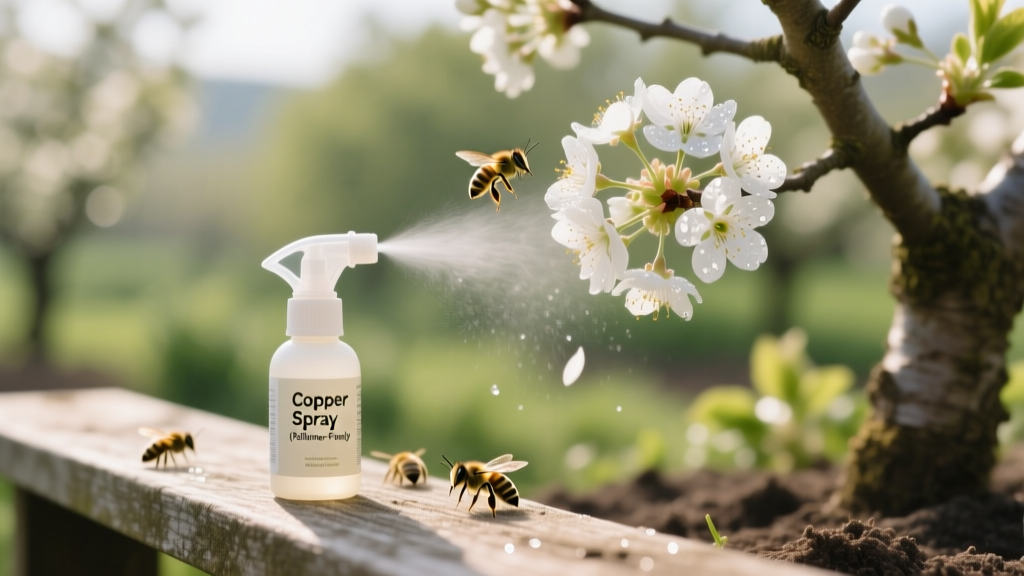
Fire Blight ID & Copper Spray Guide 2026: Protect Bees
Emily WatsonPublished
The Rising Threat of Fire Blight in 2026
As we navigate the 2026 growing season, home orchardists and pollinator garden designers face a familiar but evolving adversary: fire blight. Caused by the aggressive bacterium Erwinia amylovora, this disease specifically targets members of the Rosaceae family, including apples, pears, crabapples, quince, and hawthorns. With climate models in 2026 indicating warmer, more humid spring conditions across many hardiness zones, the bacterial multiplication rate during bloom is higher than ever. For gardeners dedicated to pollinator-friendly garden design, this presents a unique challenge. The exact moment your fruit trees are most vulnerable to infection—during full bloom—is also the exact moment your garden is teeming with honeybees, mason bees, and bumblebees. Protecting your trees without harming your local pollinator populations requires a strategic, science-backed approach.
Identifying Fire Blight: Early Warning Signs
Early identification is the cornerstone of any successful integrated pest management (IPM) strategy. Fire blight moves rapidly through a tree's vascular system, and catching it early can save both the current year's crop and the tree's structural integrity. According to plant pathology experts at Penn State Extension, the bacterium typically enters the plant through natural openings in the blossoms or through wounds caused by wind, hail, or improper pruning.
Key Symptoms to Monitor
- The Shepherd's Crook: The most iconic sign of fire blight is the wilting and bending of the terminal shoot, which droops over to resemble a shepherd's crook. This usually occurs 1 to 2 weeks after infection.
- Bacterial Ooze: During warm, humid mornings, you may notice droplets of amber-colored, sticky ooze on infected branches, cankers, or even blossoms. This ooze is teeming with bacteria and is highly attractive to insects, which inadvertently spread the disease.
- Scorched Foliage: Infected leaves turn dark brown or black but remain attached to the branch, giving the tree a fire-scorched appearance. Unlike frost damage, which affects the entire canopy evenly, fire blight typically appears in localized, clustered patches.
- Blossom Blight: The earliest spring symptom is the sudden wilting, browning, and collapsing of flower clusters. This is the primary infection point that leads to systemic branch dieback.
The Copper Spray Dilemma: Tree Health vs. Pollinator Safety
For decades, copper-based bactericides (such as copper hydroxide or copper sulfate) have been the gold standard for preventing fire blight. Copper works by disrupting bacterial cell membranes, effectively neutralizing Erwinia amylovora on contact. However, from a pollinator-friendly garden design perspective, copper sprays present a severe dilemma.
Copper is highly toxic to bees and other beneficial insects. When applied during the bloom period, foraging bees can pick up copper residue on their bodies or ingest it via contaminated nectar and pollen. The Environmental Protection Agency (EPA) notes that heavy metal exposure can impair bee navigation, reduce larval development rates, and contribute to colony collapse stress. Therefore, the golden rule of pollinator-safe orchard management is absolute: never apply copper sprays during the bloom period.
2026 Best Practice: Restrict copper applications strictly to the dormant season and early bud break (silver tip to green tip). Once the blossoms open, copper must be replaced with pollinator-safe biological alternatives.
Pollinator-Safe Prevention: Biological Controls
Because copper is off-limits during bloom, modern orchardists rely on biological controls to protect open flowers. These products utilize beneficial microbes that outcompete fire blight bacteria for space and nutrients on the blossom stigma, a concept known as competitive exclusion.
Top Biological Products for 2026
- Bacillus subtilis (e.g., Serenade Garden): This naturally occurring soil bacterium is highly effective at colonizing flower stigmas. It produces lipopeptides that actively inhibit Erwinia amylovora. It is completely safe for bees, even when applied directly to open blooms.
- Aureobasidium pullulans (e.g., BlossomBless): A beneficial yeast that thrives in the nectaries of apple and pear blossoms. It rapidly consumes the available nutrients, starving out the fire blight bacteria. Research highlighted by the University of Minnesota Extension confirms its high efficacy when applied just before rain events, which typically trigger blight infections.
Treatment Comparison Chart: Efficacy and Pollinator Safety
To help you plan your 2026 garden care schedule, refer to the comparison table below. This chart balances disease control efficacy with the critical need to protect pollinator health.
| Treatment Method | Active Ingredient / Agent | Pollinator Safety Profile | Best Application Timing | Relative Cost (2026) |
|---|---|---|---|---|
| Copper Bactericide | Copper Hydroxide (e.g., Kocide 3000) | Low (Highly toxic to bees during bloom) | Dormant to Green Tip only | $ (Low) |
| Biological Control | Bacillus subtilis QST 713 | High (Safe for foraging bees) | Pink Bud through Full Bloom | $$$ (Moderate-High) |
| Biological Control | Aureobasidium pullulans | High (Safe for foraging bees) | Pre-bloom and Early Bloom | $$$ (Moderate-High) |
| Cultural Pruning | N/A (Mechanical Removal) | High (Zero chemical exposure) | Dormant season or dry summer days | $ (Tool maintenance only) |
Pruning and Sanitation Protocols
Chemical and biological sprays are only half the battle. Physical removal of infected tissue is mandatory. However, improper pruning can actually accelerate the spread of fire blight. When designing a pollinator-friendly garden, you must avoid creating unnecessary wounds during the spring when bees are active and bacteria are mobile.
The 'Ugly Stub' Method
During the active growing season, if you spot a fire blight strike, do not cut it out at the branch collar. Instead, use the 'ugly stub' method. Make your cut at least 12 to 18 inches below the visible margin of infection, leaving a bare stub. This ensures you are cutting into healthy, uninfected wood. You can then return during the winter dormant season to make a clean, proper pruning cut at the branch collar. This prevents the bacteria from traveling down the vascular system into the main trunk.
Tool Sterilization
Fire blight bacteria can survive on pruning shears and saws, turning your tools into vectors for disease. Between every single cut, you must sterilize your tools. A 70% isopropyl alcohol solution or a 10% bleach solution is required. Note that bleach can corrode metal tools over time, so 70% alcohol in a spray bottle is the preferred, fast-drying method for 2026 orchard management.
Your 2026 Pollinator-Friendly Fire Blight Schedule
Timing is everything. Follow this seasonal schedule to protect your Rosaceae trees while keeping your garden a safe haven for native and managed bees.
- Late Winter (Dormant Season): Prune out any remaining 'ugly stubs' from last year's infections. Apply a high-rate dormant copper spray to the bark and branches to reduce the overwintering bacterial population. This is safe as no pollinators are foraging.
- Silver Tip to Green Tip: Apply a lower-rate copper spray as the buds begin to swell. This provides a protective barrier just before the blossoms open. Stop all copper applications once the flower buds show pink coloration.
- Pink Bud Stage: Transition to biological controls. Apply Bacillus subtilis or Aureobasidium pullulans to the developing flower clusters. This establishes the beneficial microbes on the stigma before the flowers fully open.
- Full Bloom (Pollinator Danger Zone): Monitor weather conditions closely. If temperatures exceed 65°F (18°C) and humidity is high, the risk of infection is extreme. Reapply biological controls every 3 to 5 days, or immediately after heavy rain. Do not spray any product during the heat of the day when bees are actively foraging; apply biologicals in the late evening after bees have returned to their hives or nests.
- Petal Fall: Once the blossoms have dropped and fruit is setting, the primary infection window closes. You can resume monitoring for shoot strikes and employ the 'ugly stub' pruning method if necessary.
Conclusion
Managing fire blight in a pollinator-friendly garden requires a shift from reactive chemical bombing to proactive, biological stewardship. By accurately identifying the early signs of Erwinia amylovora, restricting copper sprays to the dormant season, and leveraging cutting-edge biological controls during the 2026 bloom period, you can successfully protect your fruit trees. More importantly, you ensure that your garden remains a thriving, toxic-free sanctuary for the essential pollinators that make your harvest possible in the first place.