Tree Care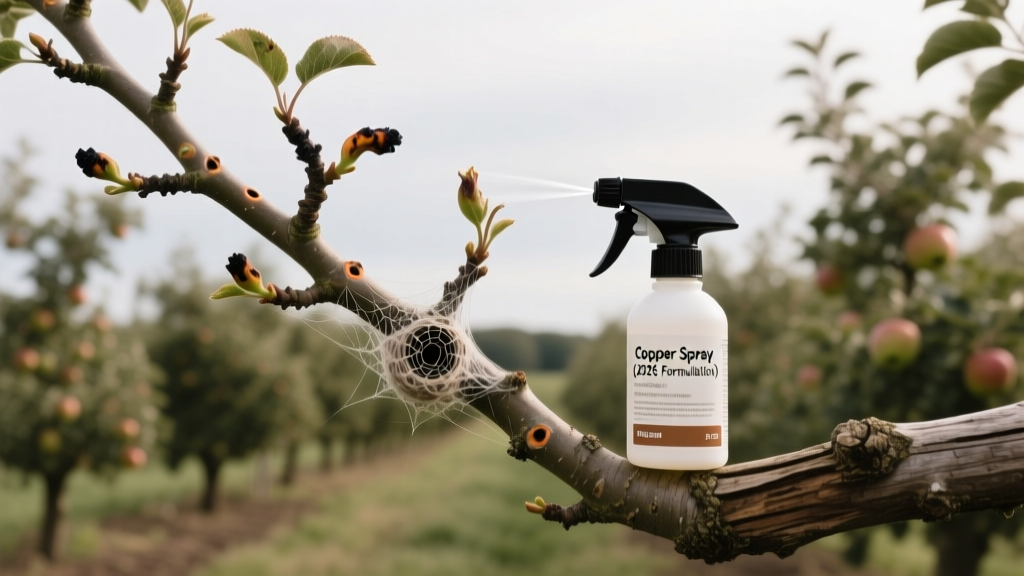
Fire Blight ID and Copper Spray Prevention Guide 2026
Emily WatsonPublished
Introduction: The Dual Threat to Rosaceae Trees
As professionals who specialize in tree web worm control, our primary focus from late spring through autumn is managing defoliators like the fall webworm (Hyphantria cunea) and eastern tent caterpillar. However, holistic arboriculture demands that we look beyond the silk tents and chewed foliage. If your landscape includes members of the Rosaceae family—such as crabapples, pears, hawthorns, and ornamental cherries—you are in the crosshairs of a devastating bacterial pathogen: fire blight. In 2026, shifting climate patterns with warmer, more humid spring blooms have drastically increased the pressure of Erwinia amylovora. This guide covers fire blight identification and copper spray prevention, tailored specifically for arborists and homeowners who need to integrate these treatments into an existing web worm management schedule.
Identifying Fire Blight: Scorched Leaves vs. Web Worm Damage
When scouting a canopy, it is crucial to differentiate between the mechanical and biological damage caused by web worms and the necrotic destruction of fire blight. Web worms and tent caterpillars create visible, silken nests in the crotches of branches or at the tips of new growth. The damage is characterized by skeletonized or entirely consumed leaves within and immediately surrounding the webbing. Fire blight, conversely, leaves no silk. Instead, it mimics fire damage.
The hallmark symptom is the "shepherd’s crook," where the terminal shoot wilts, bends, and blackens. According to Penn State Extension, the bacteria overwinter in margins of active cankers on the trunk and branches. During spring rains, the bacteria ooze out and are splashed or carried by pollinators to open blossoms. Blossom blight turns flowers brown and water-soaked, eventually spreading down the spur and into the branch. Cankers appear as dark, sunken areas on the bark, often exuding a milky, amber-colored bacterial ooze that attracts insects. Recognizing this ooze is vital, as the insects visiting it can inadvertently carry the bacteria to healthy trees, complicating your broader pest and disease management strategy.
The Mechanics of Copper Spray Prevention
Copper-based bactericides are the cornerstone of preventative fire blight management. Copper ions disrupt the cellular membranes and enzyme systems of Erwinia amylovora, effectively neutralizing the bacteria on the plant surface before it can enter the natural openings (stomata and hydathodes) or wounds. For tree care professionals already running a rigorous web worm control program, copper sprays must be applied during the dormant season or at the very first signs of silver tip and green tip bud break.
Applying copper during active bloom is generally avoided in 2026 due to the high risk of phytotoxicity and fruit russeting, as well as the potential toxicity to essential pollinators. The University of Minnesota Extension emphasizes that dormant copper applications significantly reduce the primary inoculum available to infect spring blossoms. By lowering the bacterial load on the bark and canker margins before the tree leafs out, you create a protective barrier that complements your later-season biological insecticide applications.
Integrating Copper Sprays with Tree Web Worm Control Schedules
The most common conflict in integrated pest management (IPM) arises when tank-mixing or scheduling overlapping treatments. For web worm control, the gold standard in 2026 remains Bacillus thuringiensis var. kurstaki (Bt), a biological insecticide that targets caterpillars upon ingestion. A critical rule of thumb: never tank-mix copper fungicides with Bt.
Copper is a broad-spectrum antimicrobial agent. While it targets plant pathogens, high concentrations of copper ions can also reduce the viability of the Bacillus thuringiensis spores and degrade the crystalline proteins that make Bt lethal to web worms. To maintain efficacy for both issues, you must separate your applications. Apply your dormant copper spray in late winter (February to early March, depending on your hardiness zone). Then, wait until the web worm life cycle begins in late spring or early summer to apply your Bt treatments. This temporal separation ensures that your copper has dried, oxidized, and bound to the bark, eliminating any risk of neutralizing your biological web worm controls.
2026 Copper Fungicide Product Comparison
When selecting a copper product for your fire blight prevention arsenal, it is essential to look at the metallic copper equivalent (MCE) and the formulation. Liquid formulations are generally preferred for ease of mixing in standard backpack or skid sprayers used for web worm treatments. Below is a comparison of top-rated copper sprays available in 2026:
| Product Name | Active Ingredient | Formulation | Est. 2026 Price (per Quart) | Best Application Timing |
|---|---|---|---|---|
| Bonide Liquid Copper Fungicide | Copper Octanoate (10%) | Liquid | $18.99 | Dormant to Green Tip |
| Monterey Liqui-Cop | Copper Ammonium Complex (8%) | Liquid | $22.50 | Dormant Season |
| Southern Ag Liquid Copper | Copper Ethanolamine (1.8%) | Liquid | $15.75 | Dormant to Bud Break |
| Kocide 3000 (Commercial) | Copper Hydroxide (46.1%) | Dry Flowable | $85.00 (5lb bag) | Dormant / Pre-Bloom |
For residential and small-scale arborists managing both web worms and blight, Bonide and Monterey offer excellent MCE levels with user-friendly liquid suspensions. Commercial operators treating large orchards or municipal parks will lean toward Kocide 3000 for its superior rainfastness and higher metallic copper yield.
Application Best Practices and Phytotoxicity Warnings
Applying copper requires precision. Phytotoxicity (plant damage caused by the chemical itself) is a real risk, particularly on apples and pears. To prevent leaf burn and fruit russeting in 2026, adhere to the following guidelines:
- Monitor Temperatures: Never apply copper sprays when temperatures are expected to exceed 85°F (29°C) within 48 hours of application, or when freezing conditions are imminent.
- Avoid Acidic Tank Mixes: Do not mix copper with highly acidic products, horticultural oils, or foliar fertilizers. Acidic environments increase the solubility of copper, releasing a flood of free copper ions that will scorch the tree's tender spring tissue.
- Calibrate for Coverage: Because copper is a protectant and not a systemic cure, it must coat every inch of the bark and bud scales. Use a fine mist nozzle to ensure complete coverage of the trunk, main scaffold branches, and smaller twigs where fire blight cankers overwinter.
- Sanitize Pruning Tools: While applying your dormant copper, take the opportunity to prune out any existing, dead fire blight cankers. Cut at least 12 inches below the visible margin of the canker into healthy wood, and sterilize your pruning shears with a 10% bleach solution or 70% isopropyl alcohol between every single cut.
Conclusion
Effective tree care is about anticipating the intersection of pests and diseases. While your primary focus may be eradicating the unsightly webs and defoliation caused by fall web worms and tent caterpillars, ignoring the bacterial threat of fire blight in susceptible Rosaceae trees can lead to catastrophic canopy loss. By accurately identifying the shepherd’s crook and bacterial ooze, and strategically deploying dormant copper sprays well before your spring Bt applications for web worms, you ensure a robust, healthy landscape. Stick to the 2026 IPM scheduling guidelines, respect the chemistry of your tank mixes, and your trees will thrive against both insect and bacterial pressures.