Tree Care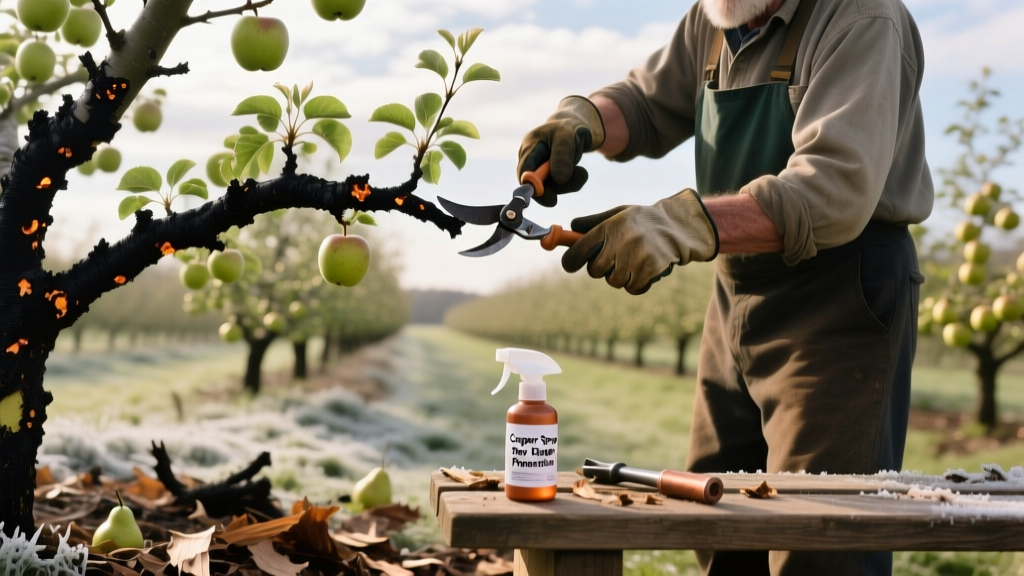
Fire Blight Identification, Pruning & Copper Spray 2026
Mike RodriguezPublished
Understanding Fire Blight in the 2026 Growing Season
As we navigate the 2026 growing season, shifting spring precipitation patterns and warmer early-season temperatures have created an ideal environment for Erwinia amylovora, the destructive bacterium responsible for fire blight. This aggressive pathogen primarily targets trees in the Rosaceae family, with apple, pear, crabapple, and hawthorn species being the most vulnerable. For home orchardists and landscape managers, mastering the intersection of precise pruning methods and preventative copper spray timing is no longer optional; it is essential for tree survival.
Fire blight spreads rapidly during warm, wet spring weather, entering the tree through natural openings like flowers and stomata, or through wounds caused by wind, hail, and improper pruning. Once inside, the bacteria multiply exponentially, clogging the tree's vascular system and causing rapid tissue necrosis. According to the American Phytopathological Society, the disease can kill a young, susceptible tree in a single season if left unchecked.
Identifying Fire Blight Symptoms
Early identification is the cornerstone of effective management. Before you make a single pruning cut or mix a copper spray, you must accurately diagnose the infection. Look for these hallmark signs:
- The Shepherd's Crook: Infected shoot tips wilt, turn black or dark brown, and bend over, resembling a shepherd's crook. This is often the first visible symptom in late spring.
- Bacterial Ooze: During humid conditions, infected bark and cankers may exude a sticky, amber-colored or milky bacterial ooze. This ooze is highly infectious and is easily spread by rain splash and insects.
- Scorched Appearance: Leaves on infected branches turn brown or black but remain attached to the twig, giving the tree a fire-scorched appearance.
- Canker Margins: In older wood, look for slightly sunken, dark, and sometimes cracked bark. The inner cambium layer will appear reddish-brown and water-soaked when scraped.
Pruning Methods: Timing and Technique
Pruning is your primary mechanical defense against fire blight, but timing dictates whether you save the tree or accidentally spread the bacteria. The University of Minnesota Extension emphasizes that pruning active infections during the growing season carries significant risks, making method selection critical.
Dormant Season Pruning (Winter)
The safest time to prune for fire blight is during the winter dormant season when temperatures are consistently below freezing and the bacteria are inactive. During this window, you can accurately trace the canker margins.
Expert Pruning Rule: Always make your pruning cuts at least 8 to 12 inches below the lowest visible edge of the canker or discolored wood. The bacteria often travel internally well beyond the visible necrotic tissue.
Make clean, angled cuts to promote rapid healing and water runoff. Because the bacteria are dormant, the risk of spreading the infection via pruning tools is minimal, though basic sanitation is still recommended.
The Summer 'Ugly Stub' Method
If a severe infection strikes during the active growing season, waiting for winter might result in the loss of the entire tree. In 2026, arborists heavily favor the 'ugly stub' method for summer emergency pruning. Instead of cutting 12 inches below the visible canker (which risks cutting into active, invisible bacterial trails and spreading them via the saw blade), you cut 12 to 18 inches further down into healthy wood, leaving an unsightly, leafless stub.
This stub acts as a buffer zone. The bacteria will not travel down into this detached, dying stub. You then leave the ugly stub in place until the tree goes fully dormant in late autumn or winter, at which point you return and make the final, clean pruning cut at the proper branch collar.
Pruning Timing and Risk Comparison
| Pruning Method | Timing | Cut Distance | Infection Spread Risk |
|---|---|---|---|
| Dormant Clean Cut | Winter (Below Freezing) | 8-12 inches below canker | Very Low |
| Summer Ugly Stub | Active Growing Season | 12-18 inches below canker | Low (Buffer protects) |
| Summer Clean Cut | Active Growing Season | 8-12 inches below canker | Extremely High (Avoid) |
Tool Sterilization Protocols for 2026
When pruning during the active season, your tools are vectors for disease. You must sterilize your pruning saws, loppers, and shears between every single cut. While a 10% bleach solution was historically recommended, modern 2026 guidelines from Penn State Extension advise against bleach due to its highly corrosive nature, which pits metal blades and creates micro-crevices where bacteria can hide.
Instead, use 70% isopropyl alcohol or a commercial quaternary ammonium compound disinfectant. Spray the solution generously on the blades and allow it to sit for at least 30 seconds before making the next cut. After completing your pruning session, thoroughly clean and oil your tools to prevent rust.
Copper Spray Prevention Strategies
While pruning removes existing infections, copper-based bactericides are your primary preventative shield. Copper sprays do not cure existing infections; they create a toxic barrier on the plant surface that prevents Erwinia amylovora cells from multiplying and entering the tissue.
Types of Copper Bactericides
- Bordeaux Mixture: A classic combination of copper sulfate and hydrated lime. It is highly effective and weather-resistant but can be difficult to mix and may cause phytotoxicity (leaf burn) if applied incorrectly or during humid conditions.
- Fixed Copper (Copper Hydroxide / Copper Oxide): Commercially formulated sprays that are easier to mix and generally safer for the foliage than raw Bordeaux mixture. These are the standard for home orchardists in 2026.
- Copper Octanoate (Copper Soap): A softer, more environmentally gentle option that is highly effective during the early green-tip stages and poses less risk of russeting on developing fruit.
Application Timing: The Critical Window
Timing your copper spray is just as important as the pruning schedule. Copper must be applied before the bacteria enter the flowers. Once the blossoms open, spraying copper is not only ineffective at stopping internal infections, but it can also be toxic to vital pollinators like bees.
The primary application window is the delayed dormant period, specifically targeting the 'silver tip' to 'green tip' bud stages. This reduces the overwintering bacterial populations on the bark and canker margins before the spring rains wash them into the opening buds.
2026 Copper Spray Schedule
- Late Winter / Dormant (February - Early March): Apply a high-concentration dormant copper spray (like Bordeaux mixture) to thoroughly coat the trunk, scaffolding branches, and twigs. This targets overwintering cankers.
- Silver Tip to Green Tip (Mid-March): As buds begin to swell and show green tissue, apply a lower-concentration fixed copper or copper octanoate spray. This protects the emerging tissue without causing severe russeting.
- Half-Inch Green to Tight Cluster (Late March - Early April): If weather forecasts predict warm, wet conditions (high blight risk), apply one final, very light copper spray.
- Pink Bud Stage and Beyond: STOP. Do not apply copper sprays once flower buds show pink or open. Switch to biological controls (like Bacillus amyloliquefaciens) if bloom-time protection is absolutely necessary, to protect pollinators.
Integrated Management and Disposal
Successfully managing fire blight in 2026 requires an integrated approach. Combine the 'ugly stub' summer pruning method with rigorous tool sanitation and a strictly timed dormant copper spray schedule. Furthermore, never compost or chip fire-blight-infected wood. The bacteria can survive in decaying wood and reinfect your orchard. Immediately bag and dispose of all pruned material in the municipal trash, or burn it where local ordinances permit.
By respecting the biological timing of both the tree and the pathogen, you can maintain a healthy, productive orchard despite the increasing environmental pressures of modern climate patterns.