Tree Care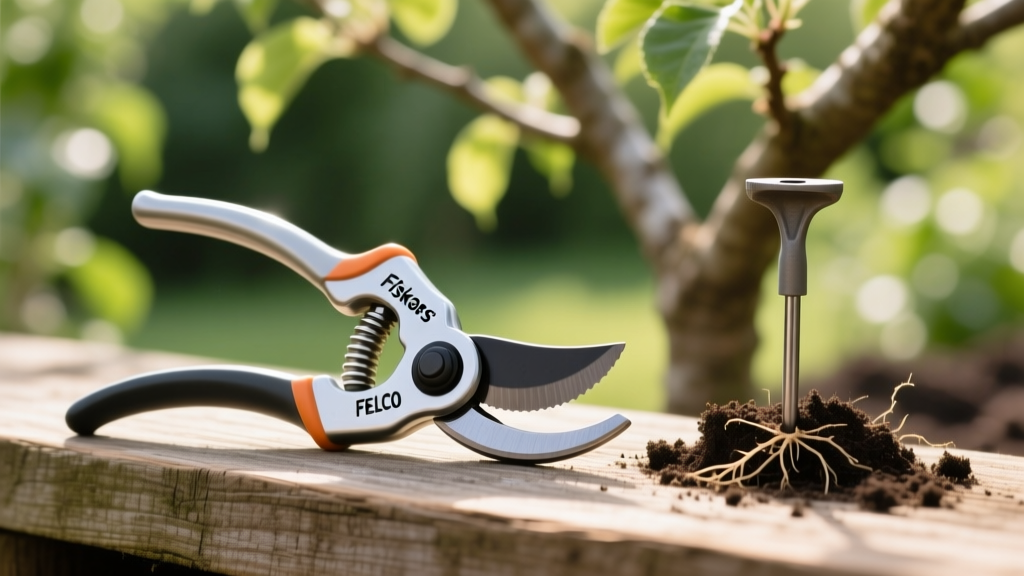
Fiskars vs Felco Pruners 2026: Bypass vs Anvil & Core Aeration
Robert HayesPublished
The 2026 Approach to Holistic Tree Health: Canopy and Roots
As we navigate the growing season in 2026, arborists and home gardeners alike are recognizing that true tree vitality requires a dual approach: meticulous above-ground canopy management and rigorous below-ground soil care. Two of the most critical practices in this holistic regimen are precision pruning and root-zone core aeration. While they may seem like entirely separate tasks, the biological connection between a tree's vascular system and its root network means that the tools you use to cut branches directly impact how well your tree responds to soil aeration.
In this comprehensive guide, we will dive deep into the bypass vs anvil pruner Fiskars vs Felco comparison, evaluating the top 2026 models on the market. More importantly, we will explore these tools through the lens of core aeration, revealing why making the right pruning cut is essential when you are simultaneously trying to relieve soil compaction and stimulate root growth.
Bypass vs. Anvil Pruners: Understanding the Mechanics
Before comparing brands, it is vital to understand the mechanical differences between bypass and anvil pruners, as using the wrong tool can severely compromise a tree's ability to heal and absorb nutrients.
Bypass Pruners
Bypass pruners operate like a pair of scissors. Two curved blades pass by each other, creating a clean, slicing cut. This mechanism is absolutely essential for live, green wood. A clean cut preserves the cambium layer (the living tissue just beneath the bark), allowing the tree to quickly initiate the Compartmentalization of Decay in Trees (CODIT) process. According to Penn State Extension, proper pruning cuts are essential for compartmentalization, preventing pathogens from entering the tree's vascular system.
Anvil Pruners
Anvil pruners feature a single straight, sharpened blade that closes against a flat, softer metal or plastic surface (the anvil). This action is more akin to a knife on a cutting board. While anvil pruners offer more crushing leverage for thick, dead, or hardened wood, they crush and damage the cambium layer if used on live branches. This crushing action leaves a jagged, traumatized wound that takes significantly longer to heal, leaving the tree vulnerable to disease and insect infestation.
Fiskars vs. Felco: 2026 Brand Showdown
When tackling the bypass vs anvil pruner Fiskars vs Felco comparison, you are essentially looking at the intersection of ergonomic homeowner innovation and professional-grade Swiss precision.
Felco: The Arborist's Standard
Felco has long been the gold standard for professional arborists. The legendary Felco 2 Classic Bypass Pruner remains a top seller in 2026, priced around $65. Its hardened steel blade and sap groove prevent sticking, while the cushion-shock absorbers reduce wrist fatigue. For anvil needs, the Felco 200 offers a specialized straight cutting blade for dry wood. Felco's greatest advantage is longevity; every single part, from the blade to the spring and rivet, is replaceable.
Fiskars: The Ergonomic Innovator
Fiskars dominates the premium consumer market by focusing on leverage and joint health. The Fiskars PowerGear2 Bypass Pruner (retailing around $35 in 2026) utilizes patented gear technology that multiplies your leverage, making it incredibly easy to cut through 3/4-inch branches with minimal hand strain. Their anvil counterpart, the Fiskars PowerGear2 Anvil Pruner, is excellent for clearing out deadwood during winter dormancy. However, Fiskars tools are generally not designed to be rebuilt part-by-part like Felcos; they are replaced when they wear out.
Feature Comparison Table: Fiskars vs. Felco (2026 Models)
| Feature | Felco 2 (Bypass) | Fiskars PowerGear2 (Bypass) |
|---|---|---|
| Best For | Live wood, precision canopy thinning | Homeowners, arthritis relief, general pruning |
| Cutting Capacity | 1 inch (25mm) | 3/4 inch (20mm) |
| Blade Material | Premium hardened Swiss steel | Fully hardened precision-ground steel |
| Ergonomics | Sap groove, shock absorbers | Patented gear leverage, rolling handle |
| Maintenance | 100% replaceable parts | Limited replaceable parts |
| 2026 Est. Price | $65.00 | $35.00 |
The Core Aeration Connection: Why Your Pruner Choice Matters
At first glance, pruning and soil aeration might seem unrelated. However, from a physiological perspective, they are deeply intertwined. Soil compaction is one of the leading causes of urban tree decline. Compacted soil lacks the macro-pores necessary for oxygen and water to reach the fine absorbing roots. As noted by the University of Minnesota Extension, relieving this compaction through core aeration or radial trenching is vital for tree survival.
When you core aerate a tree's Critical Root Zone (CRZ), you are triggering a massive biological response. The sudden influx of oxygen stimulates the roots to push out new, delicate root hairs to capture water and nutrients. But here is where the bypass vs anvil pruner debate becomes critical: a tree can only support new root growth if its canopy is healthy and efficient.
If you use an anvil pruner on live branches, you crush the vascular tissue. The tree must immediately divert precious carbohydrates and energy away from its newly aerated root zone to fight off the decay entering through the crushed pruning wounds. The benefits of your core aeration are effectively canceled out because the tree is in a state of canopy-induced stress. Conversely, using a razor-sharp Felco bypass pruner creates a surgical wound. The tree seals it rapidly, maintaining its transpiration pull and allowing the newly aerated roots to efficiently draw up water and minerals to support vibrant spring growth.
Step-by-Step: Combining Pruning and Core Aeration in 2026
To maximize the synergy between canopy management and soil health, follow this integrated schedule recommended by modern arboriculture standards.
Step 1: Assess and Aerate the Root Zone
Before making a single cut, evaluate the soil. If water pools on the surface or the ground feels like concrete, your tree needs aeration. Using a manual core aerator or an AirSpade (for larger trees), extract small cores of soil within the drip line. Avoid severing roots larger than 2 inches in diameter. Backfill the holes with a mix of compost and biochar to improve long-term soil structure.
Step 2: Precision Bypass Pruning
With the roots oxygenated, move to the canopy. Using your Felco 2 or Fiskars PowerGear2 bypass pruner, remove dead, diseased, or crossing branches. By thinning the canopy by 10% to 15%, you allow more dappled sunlight to reach the soil surface, which helps regulate soil temperature and encourages beneficial microbial activity in your freshly aerated holes.
Step 3: Deadwood Removal with Anvil Pruners
Switch to an anvil pruner only when tackling thick, desiccated deadwood that would dull your bypass blade. The anvil's crushing force makes quick work of brittle branches without straining your wrists, provided you are absolutely certain the wood is dead and devoid of living cambium.
Step 4: Mulch and Hydrate
The International Society of Arboriculture emphasizes the importance of proper mulching after soil disturbance. Apply a 2-to-3-inch layer of organic wood chip mulch over the aerated zone, keeping it strictly away from the trunk flare (no 'mulch volcanoes'). Water deeply to help the compost settle into the aeration cores.
Tool Maintenance for Longevity
Whether you invest in the premium Swiss engineering of Felco or the ergonomic leverage of Fiskars, maintenance is non-negotiable. After every pruning session, especially when working on trees that have recently undergone core aeration and soil amendment (which can introduce soil-borne fungi to your tools), wipe the blades with isopropyl alcohol. Apply a light coat of camellia oil or a specialized tool lubricant to the pivot points. For Felco owners, keep a spare blade and spring in your toolkit; swapping a dull blade takes less than two minutes and ensures your bypass cuts remain surgical.
Conclusion
The bypass vs anvil pruner Fiskars vs Felco comparison ultimately comes down to your specific needs, budget, and commitment to tree biology. Fiskars offers incredible ergonomic value and leverage for the home gardener, while Felco provides a lifetime, rebuildable precision tool for the dedicated arborist. However, the true secret to a thriving landscape in 2026 lies in understanding how these above-ground tools interact with below-ground practices like core aeration. By making clean, bypass pruning cuts, you protect your tree's vascular system, allowing it to fully capitalize on the oxygen and nutrients provided by a well-aerated root zone. Treat your canopy and your soil as a single, interconnected organism, and your trees will reward you with decades of robust health and vibrant growth.
