Tree Care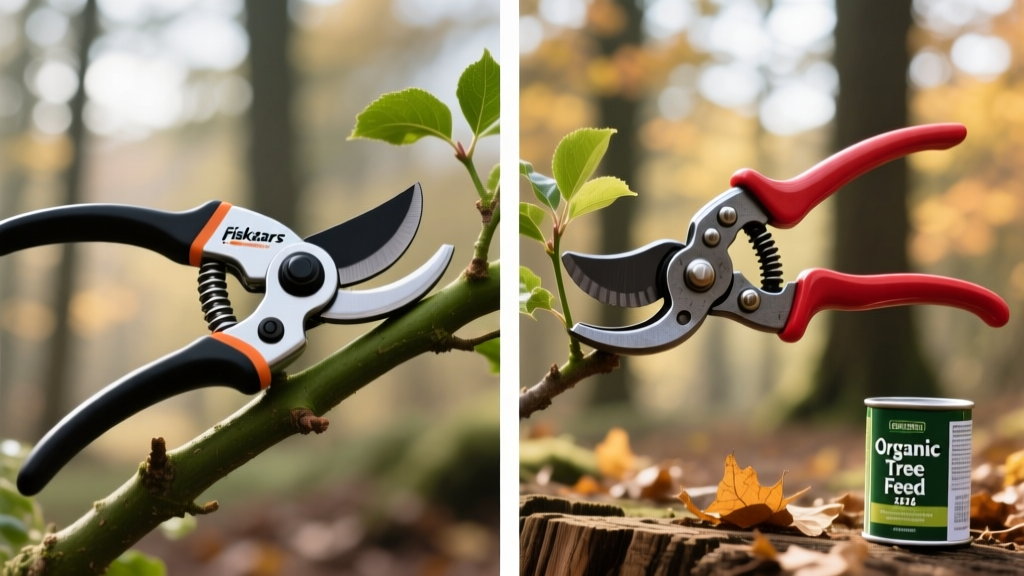
Fiskars vs Felco Pruners & Tree Fertilizer Schedules 2026
Sarah ChenPublished
The Symbiosis of Precision Pruning and Targeted Fertilization
As arborists and home gardeners navigate the 2026 growing season, the intersection of mechanical tree care and nutritional management has never been more critical. While many view pruning and fertilizing as separate tasks, they are deeply interconnected biological triggers. The quality of your pruning cuts directly influences how a tree allocates the nutrients provided by your fertilizer schedule. A crushed, jagged cut invites decay and pathogen entry, effectively negating the benefits of a premium fertilizer application by forcing the tree to divert energy toward compartmentalization rather than vigorous, healthy growth. This is why the debate over bypass vs anvil pruners, and specifically the Fiskars vs Felco comparison, remains a cornerstone of professional tree care. In this comprehensive 2026 guide, we will break down the mechanics of these essential tools, compare the industry's leading brands, and map out a synchronized fertilizer schedule to maximize your landscape's health and aesthetic appeal.
Bypass vs. Anvil Pruners: Understanding the Mechanics
Before diving into brand comparisons, it is vital to understand the fundamental mechanical differences between bypass and anvil pruners, as each serves a distinct purpose in the tree care ecosystem.
Bypass Pruners: The Clean Cut Standard
Bypass pruners operate like a pair of scissors. A sharp, curved blade passes closely by a thicker, unsharpened lower jaw (the hook). This scissor-like action creates a clean, precise cut that heals rapidly. When you apply high-nitrogen fertilizers in the spring to promote canopy expansion, you want the tree's vascular system to be fully intact and free of dieback. Bypass pruners are the undisputed champions for live, green wood, ensuring that the nutrient pathways remain unobstructed and disease-free.
Anvil Pruners: The Powerhouse for Deadwood
Anvil pruners feature a single straight, sharpened blade that closes down onto a flat, wider lower plate (the anvil). This crushing action provides immense leverage, making it incredibly easy to cut through thick, hard, or dead branches. However, using an anvil pruner on live wood crushes the delicate cambium layer, creating a wide wound that is highly susceptible to fungal infections. If you apply heavy synthetic fertilizers to a tree with crushed anvil cuts, the resulting rapid, soft tissue growth can exacerbate structural weaknesses and invite borers.
Fiskars vs. Felco: 2026 Premium Pruner Comparison
When outfitting your toolkit for the 2026 season, two brands dominate the professional and high-end consumer market: Felco and Fiskars. Both offer exceptional bypass and anvil options, but their design philosophies, price points, and ergonomics differ significantly.
| Feature | Felco 2 (Bypass) | Felco 13 (Anvil) | Fiskars Expert (Bypass) | Fiskars PowerGear2 (Anvil) |
|---|---|---|---|---|
| Best Use | Live wood, precision cuts | Deadwood, hard branches | Live wood, daily pruning | Deadwood, high leverage |
| 2026 Retail Price | ~$65.00 | ~$72.00 | ~$38.00 | ~$32.00 |
| Blade Material | Hardened steel, replaceable | Hardened steel, replaceable | High-carbon steel, coated | Steel with PTFE coating |
| Ergonomics | Aluminum handles, wire cut | Offset handle for leverage | SoftGrip, lightweight | PowerGear mechanism (3x power) |
| Maintenance | Fully rebuildable, parts available | Fully rebuildable, parts available | Limited parts, mostly replace | Limited parts, mostly replace |
The Felco Advantage: Longevity and Precision
Felco, a Swiss manufacturer, is the gold standard for professional arborists. The Felco 2 Classic Bypass is legendary for its clean cuts, which are essential when preparing a tree for a heavy spring fertilizer regimen. Every component, from the sap groove to the hardened steel blade, is replaceable. While the initial investment in 2026 is higher, a Felco tool can last a lifetime with basic maintenance. The Felco 13 Anvil features an offset handle design that keeps your wrist in a neutral position, providing incredible leverage for removing deadwood without crushing adjacent live tissue.
The Fiskars Advantage: Innovation and Accessibility
Fiskars offers phenomenal value and innovative engineering, particularly for the avid home gardener. The Fiskars Expert Bypass provides a remarkably clean cut at nearly half the price of a Felco. However, it lacks the granular replaceability of its Swiss counterpart. The Fiskars PowerGear2 Anvil utilizes a patented gear mechanism that multiplies your leverage by up to three times, making it the ultimate tool for clearing out dead, brittle branches before the fall fertilization cycle. According to the University of Minnesota Extension, removing dead and diseased wood is a critical first step in maintaining tree vigor, and the leverage provided by geared anvil pruners makes this task significantly less fatiguing.
Fertilizer Types for Pruned Trees in 2026
Once your trees are properly pruned using the correct bypass or anvil tool, the next step is providing the nutritional building blocks required for wound compartmentalization and new growth. Understanding fertilizer types is crucial for a successful 2026 tree care schedule.
Slow-Release vs. Quick-Release Granular
Slow-release fertilizers (like polymer-coated urea or organic formulations) are ideal for spring applications immediately following dormant pruning. They provide a steady drip of nitrogen over 3 to 6 months, matching the tree's natural growth curve and preventing the excessive, weak flush of growth that can attract aphids. Quick-release synthetic fertilizers are best reserved for specific deficiency corrections or late-fall root feeding, as they can burn shallow roots if applied during the heat of summer.
Organic vs. Synthetic Formulations
In 2026, the trend heavily favors organic and bio-stimulant-enhanced fertilizers. Products containing mycorrhizal fungi and humic acids not only provide N-P-K (Nitrogen, Phosphorus, Potassium) but also improve soil structure and water retention. When a tree sustains a pruning cut, a robust, biologically active soil web helps the tree synthesize the defensive compounds needed to seal the wound. Synthetic fertilizers, while fast-acting, do little to improve the soil food web and can lead to salt accumulation if over-applied.
The 2026 Tree Pruning and Fertilizer Schedule
Synchronizing your mechanical cuts with your nutritional inputs is the hallmark of advanced tree care. Below is the optimal 2026 seasonal schedule for deciduous and evergreen landscape trees.
Late Winter / Early Spring (Dormant Season)
- Pruning Task: Perform structural pruning on deciduous trees while dormant. Use a bypass pruner (like the Felco 2) for live branches up to 3/4 inch thick to ensure clean cuts. Use loppers or a pruning saw for larger limbs.
- Fertilizer Action: Conduct a soil test. If phosphorus or potassium levels are low, apply a slow-release, low-nitrogen organic fertilizer just before the ground thaws to support root development and spring wound healing.
Mid-Spring (Bud Break and Leaf Expansion)
- Pruning Task: Avoid heavy pruning. Only use bypass pruners to rub out competing water sprouts or suckers that emerge at the base of the trunk.
- Fertilizer Action: This is the prime window for high-nitrogen, slow-release granular fertilizers. Apply within the drip line (the outer edge of the canopy). The tree will utilize this nitrogen to push new foliage and callus over the pruning wounds made in late winter.
Summer (Active Growth)
- Pruning Task: Perform light, corrective pruning to remove storm-damaged or diseased branches. Sterilize your bypass pruner blades with 70% isopropyl alcohol between every cut to prevent the spread of pathogens like fire blight.
- Fertilizer Action: Avoid granular nitrogen applications, which can force vulnerable late-season growth. Instead, use liquid kelp or foliar bio-stimulants to help the tree manage summer heat stress and maintain cellular turgor pressure.
Late Fall (Dormancy Transition)
- Pruning Task: Remove dead, hanging, or crossing branches. This is where the anvil pruner (like the Fiskars PowerGear2) shines for snapping out brittle, deadwood without damaging the surrounding live bark.
- Fertilizer Action: Apply a winterizer fertilizer high in potassium and phosphorus, but very low in nitrogen. As noted by NC State Extension, fall fertilization should focus on root hardiness and winter survival, not top growth. Potassium aids in regulating the tree's internal water balance, preventing winter desiccation.
Tool Sanitation and Soil Health: The Final Link
The most expensive Felco bypass pruner and the most advanced 2026 bio-stimulant fertilizer will fail if basic sanitation and soil health are ignored. Always clean your pruner blades after working on diseased wood. A simple wipe down with a disinfectant prevents the mechanical transmission of cankers and vascular wilts. Furthermore, never apply fertilizer to dry soil; always water the root zone deeply 24 hours before a granular application to prevent root burn and ensure the nutrients are mobilized into the soil solution.
Expert Tip for 2026: Keep a sharpening stone and a bottle of food-grade mineral oil in your pruning pouch. A dull bypass blade will tear the cambium layer just as badly as an anvil pruner, creating jagged wounds that invite decay and waste the energy your tree gained from your careful fertilizer schedule.
By mastering the distinct roles of bypass and anvil pruners, choosing the right brand for your budget and ergonomic needs, and aligning your cuts with a scientifically backed fertilizer schedule, your trees will achieve unprecedented vigor, resilience, and beauty throughout the 2026 season and beyond.
