Tree Care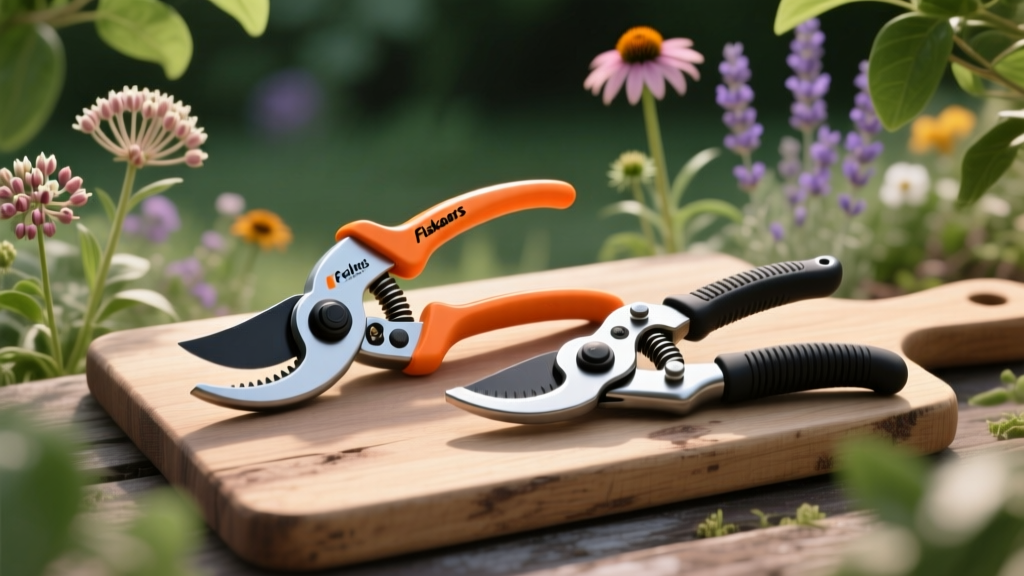
Fiskars vs Felco Pruners 2026: Bypass vs Anvil for Pollinator Gardens
Emily WatsonPublished
The Hidden Link Between Pruning Tools and Pollinator Habitats
As we navigate the 2026 gardening season, pollinator-friendly garden design has evolved from a niche ecological trend into a fundamental pillar of sustainable landscaping. Homeowners and landscape architects alike are recognizing that supporting native bees, butterflies, and beneficial insects requires more than just planting nectar-rich flowers. It requires a holistic approach to habitat creation, which includes providing overwintering sites, nesting materials, and disease-free forage. Surprisingly, one of the most critical tools in this ecological endeavor is the humble hand pruner.
When managing the trees, shrubs, and woody perennials that form the backbone of a pollinator garden, the debate between bypass and anvil pruners—and the choice between industry giants Fiskars and Felco—plays a hidden but vital role. The type of cut you make directly impacts the vascular health of the plant, its susceptibility to fungal pathogens, and its ability to serve as a nesting habitat for stem-nesting native bees. In 2026, understanding the mechanical differences between these tools is essential for any serious tree care specialist or eco-conscious gardener.
Bypass vs. Anvil Pruners: The Mechanics of a Clean Cut
To understand why your choice of pruner matters to pollinators, we must first look at the mechanics of the cut. Hand pruners generally fall into two categories: bypass and anvil.
How Bypass Pruners Work
Bypass pruners operate much like a pair of scissors. A sharp, curved blade passes closely by a thicker, unsharpened lower jaw (the hook). This scissor-like action slices cleanly through the plant tissue, leaving a smooth, flush wound. According to the Arbor Day Foundation, clean cuts are paramount for rapid callus formation and tree health. For pollinator gardens, a clean bypass cut ensures that the cambium layer remains intact and that the hollow or pithy centers of shrub stems are not collapsed, preserving vital nesting cavities for native bees.
How Anvil Pruners Work
Anvil pruners feature a single straight, sharpened blade that closes down onto a flat, wide surface (the anvil), much like a knife on a cutting board. While they offer immense crushing power for dead, dry wood, they are notoriously destructive to live, green stems. The anvil crushes the vascular tissue before severing it, causing cellular damage that can extend an inch or more down the stem. This crush damage destroys the hollow interiors where species like mason bees and small carpenter bees overwinter. Furthermore, the ragged wounds left by anvil pruners take longer to heal, inviting fungal diseases that can decimate the very trees and shrubs your pollinators rely on for spring nectar.
Fiskars vs. Felco: 2026 Brand Showdown
When outfitting your tool shed for pollinator habitat management in 2026, two brands dominate the market: Felco and Fiskars. Both offer exceptional bypass options, but they cater to slightly different needs, budgets, and ergonomic requirements.
Felco: The Professional Standard
The Swiss-made Felco 2 Classic Bypass pruner remains the gold standard for arborists and master gardeners in 2026. Priced around $65 to $75, the Felco 2 is an investment in precision. Its hardened steel blade holds an edge remarkably well, ensuring that even the hundredth cut on a tough elderberry or redbud branch is as clean as the first. The Felco 2 also features a sap groove that prevents sticky resin from pollinator-attracting trees (like cherries and plums) from gumming up the mechanism. Because every component of a Felco is replaceable, it is a lifetime tool that aligns perfectly with the sustainability ethos of pollinator gardening.
Fiskars: Ergonomic Innovation and Accessibility
Fiskars has long been the champion of accessible, ergonomic gardening tools. In 2026, their PowerGear2 Bypass Pruner line (retailing between $30 and $45) continues to be a top choice for gardeners who need mechanical assistance. The patented gear technology multiplies cutting force, making it incredibly easy to slice through 3/4-inch branches without straining your wrist. For gardeners with arthritis or those managing large, sprawling pollinator shrubs like butterfly bush (*Buddleja*) or potentilla, Fiskars offers a fatigue-free experience. However, while excellent for general use, the Fiskars blades may require more frequent sharpening than Felco's premium steel when tackling dense, hardwood pollinator trees.
Feature Comparison: Fiskars vs. Felco for Pollinator Care
| Feature | Felco 2 Classic (Bypass) | Fiskars PowerGear2 (Bypass) | Fiskars Max Power (Anvil) | Pollinator Garden Verdict |
|---|---|---|---|---|
| Cut Quality | Exceptional, surgical precision | Very clean, geared power | Crushes live tissue | Felco wins for delicate stems |
| Stem Nesting Impact | Preserves hollow pith perfectly | Preserves pith well | Destroys nesting cavities | Bypass models only |
| 2026 Avg. Price | $65 - $75 | $30 - $45 | $35 - $50 | Fiskars wins on budget |
| Ergonomics | Classic, rotating handle options | Geared, low-effort cutting | High force required | Fiskars wins for joint strain |
| Maintenance | 100% replaceable parts | Limited replaceable parts | Limited replaceable parts | Felco wins for longevity |
Pruning Strategies for Pollinator-Friendly Trees and Shrubs
Armed with the right bypass pruner, how you approach your trees and shrubs will dictate the success of your pollinator habitat. The Xerces Society heavily advocates for modifying traditional pruning schedules to accommodate the life cycles of native insects. Here is how to apply this to specific woody plants in 2026.
1. Managing Pithy-Stemmed Shrubs (Elderberry, Raspberry, Dogwood)
Approximately 30% of native bee species are stem-nesters, seeking out the soft, pithy, or hollow centers of dead and dormant stems. When pruning elderberry (*Sambucus*) or red-twig dogwood in late winter, avoid cutting them flush to the ground. Instead, use a sharp Felco or Fiskars bypass pruner to cut the stems back to varying heights between 12 and 24 inches. The clean bypass cut ensures the top of the stem remains open and uncrushed, allowing female bees to easily bore into the pith to lay their eggs in the spring.
2. Early-Blooming Fruit Trees (Cherry, Plum, Apple)
Fruit trees are crucial early-season food sources for emerging pollinators. Prune these trees in late winter while they are fully dormant to open up the canopy and encourage robust, sunlit blooms. Use your bypass pruners to remove crossing branches and water sprouts. A clean cut is vital here; ragged anvil cuts on fruit trees are prime entry points for fungal cankers and bacterial diseases like Fire Blight, which can wipe out your tree and eliminate a vital nectar source for local bee populations.
3. Deadwood Management in Mature Shade Trees
This is the one scenario where an anvil pruner is acceptable. If you are removing completely dead, desiccated twigs from the lower canopy of a mature oak or maple, an anvil pruner can provide the extra crushing leverage needed. However, ensure you are not disturbing cavities that may be housing overwintering butterflies or solitary bees. Always inspect deadwood before making the cut.
Tool Sanitation: Protecting Pollinators from Pathogens
In 2026, biosecurity in the home garden is more important than ever. Pollinator-friendly gardens rely on a delicate ecological balance, and the introduction of systemic diseases can be devastating. When pruning trees that are highly susceptible to vascular diseases—such as oaks (Oak Wilt) or fruit trees (Fire Blight)—you must sterilize your pruners between every single cut.
Keep a small spray bottle of 70% isopropyl alcohol or a 10% bleach solution in your tool belt. Wipe the bypass blade thoroughly before moving to the next branch. This simple habit prevents your pruners from acting as a hypodermic needle, injecting pathogens directly into the fresh wounds of your pollinator-supporting trees. Furthermore, regularly oiling the pivot point of your Felco or Fiskars pruners with a food-grade, non-toxic lubricant ensures the tool operates smoothly without introducing petroleum-based contaminants into your garden soil.
Conclusion
Designing a thriving pollinator garden in 2026 requires looking beyond the flowerbed and examining the structural health of your trees and shrubs. The debate between bypass and anvil pruners is quickly settled when pollinator habitats are on the line: bypass pruners are an absolute necessity for preserving stem-nesting sites and ensuring rapid wound healing. While Fiskars offers phenomenal ergonomic value and accessibility for everyday gardeners, Felco remains the unparalleled choice for precision, longevity, and the surgical cuts required by delicate ecological pruning. By choosing the right tool and employing habitat-conscious pruning techniques, you ensure that your trees and shrubs provide not just nectar, but a safe, disease-free sanctuary for the pollinators that sustain our ecosystems.
