Tree Care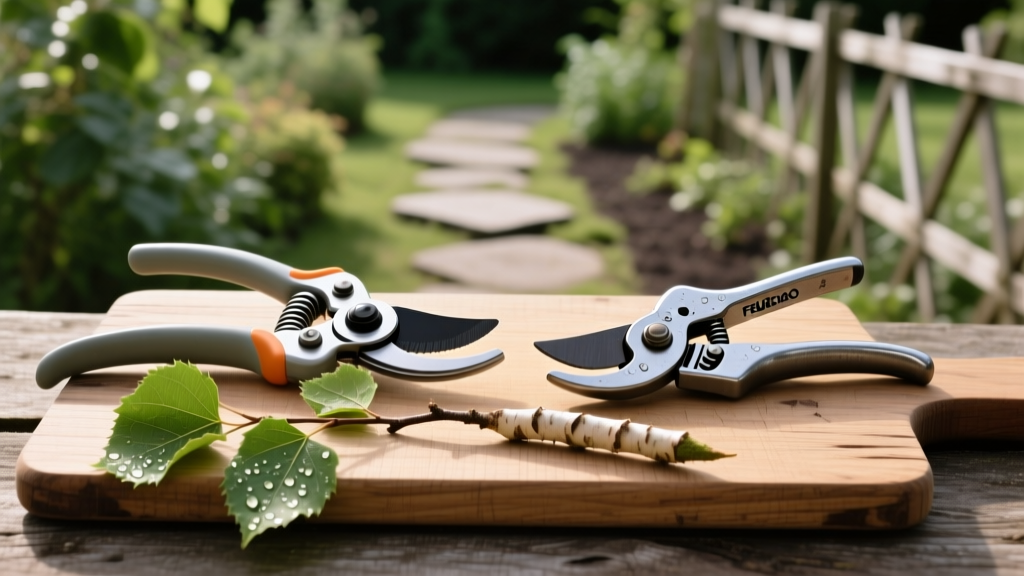
2026 Fiskars vs Felco Pruners: Bypass vs Anvil Guide
Mike RodriguezPublished
The Intersection of Precision Pruning and Mulch Production in 2026
In the modern landscape of the 2026 gardening season, sustainable yard management has shifted heavily toward closed-loop systems. Homeowners and arborists alike are no longer just pruning trees for aesthetic shaping or structural integrity; they are actively harvesting biomass to create high-quality, nutrient-dense mulch. However, the foundation of excellent tree mulch begins long before the wood hits the chipper. It starts with the cut. Choosing the right pruning tool is paramount not only for the health of the living tree but also for the quality of the debris you intend to process into mulch.
When navigating the hardware aisles or online storefronts this year, the debate inevitably narrows down to two legendary brands: Fiskars and Felco. Furthermore, the functional choice between bypass and anvil mechanisms dictates how efficiently you can harvest both live and deadwood for your mulching beds. This comprehensive guide breaks down the Fiskars versus Felco showdown through the specialized lens of mulch production, tree health, and biomass harvesting.
The Mulching Perspective: Ramial Chipped Wood (RCW)
To understand why your choice of pruner matters for mulching, we must look at the Ramial Chipped Wood (RCW) method, which has seen massive adoption in sustainable tree care circles by 2026. RCW involves chipping small, live branches (typically under three inches in diameter) from deciduous trees. This specific biomass is rich in cambium, nutrients, and active fungi, making it the ultimate biological mulch for rebuilding soil food webs.
Harvesting material for RCW requires immaculate, precise cuts. If a pruner tears or crushes the bark and cambium layer during the harvesting process, the resulting branch stub on the tree becomes highly susceptible to fungal pathogens and wood-boring insects. Furthermore, crushed branch ends take longer to process through electric wood chippers and can result in uneven mulch textures. Therefore, the pruner you select directly impacts both the donor tree's recovery and the physical quality of your finished mulch.
Bypass vs. Anvil: Mechanics of Biomass Harvesting
Before comparing brands, it is critical to understand the mechanical differences between the two primary pruner types and how they serve your mulching goals.
Bypass Pruners: The Live-Wood Specialists
Bypass pruners operate like scissors. A sharp, curved blade passes closely by a thicker, unsharpened lower jaw (the hook). This scissor-action creates a clean, flush cut that seals quickly, protecting the tree from disease. For harvesting live branches destined for premium RCW mulch, bypass pruners are mandatory. They preserve the structural integrity of the wood fibers, ensuring your chipper produces clean, uniform mulch rather than stringy, torn debris.
Anvil Pruners: The Deadwood Crushers
Anvil pruners feature a single straight blade that closes down onto a flat, wide base (the anvil), much like a knife on a cutting board. This mechanism relies on crushing force. While devastating to live cambium tissue, anvil pruners excel at snapping through dry, dead, and brittle branches. Deadwood is an essential component of a balanced mulch pile, providing necessary carbon to offset nitrogen-rich green materials. Anvil pruners allow you to quickly clear out deadfall and storm-damaged limbs without dulling the precision edge of your bypass blades.
Felco vs. Fiskars: 2026 Brand Showdown
With the mechanics established, how do the industry titans stack up for the 2026 mulching and pruning season?
Felco: The Swiss Professional Standard
Felco has long been the darling of professional arborists and master gardeners. The Felco 2 (Bypass) and Felco 31 (Anvil) remain flagship models in 2026. Constructed with hardened steel and lightweight aluminum handles, Felco tools are built for lifelong daily abuse. The defining feature of Felco is its modularity; every single component, from the blade to the shock absorber, can be replaced. When harvesting hundreds of pounds of mulch material over a weekend, the ergonomic sap groove on the Felco 2 prevents sticky tree resins from gumming up the blade, ensuring continuous, uninterrupted chipping sessions.
Fiskars: The Ergonomic Innovator
Fiskars caters brilliantly to the advanced home gardener and landscaping enthusiast. The Fiskars PowerGear2 (Bypass) and the Fiskars Expert Anvil Pruner leverage patented gear mechanisms that multiply cutting power by up to three times. This is a game-changer when harvesting thicker, carbon-heavy deadwood for the base layers of your mulch beds. The Fiskars blades are coated with a low-friction PTFE material that resists rust and sap buildup. While they lack the full replaceable-part ecosystem of Felco, their 2026 MSRP makes them highly accessible, and their cutting force reduces hand fatigue during long mulch-harvesting marathons.
2026 Comparison Chart: Top Pruners for Mulch Harvesting
| Brand & Model | Type | 2026 Est. Price | Best Mulch Application | Max Cut Capacity |
|---|---|---|---|---|
| Felco 2 Classic | Bypass | $72.00 | Live-wood RCW harvesting; precision pruning | 1 inch (25mm) |
| Felco 31 | Anvil | $68.00 | Dry deadwood clearing for carbon mulch layers | 1 inch (25mm) |
| Fiskars PowerGear2 | Bypass | $38.00 | High-volume live branch harvesting with low fatigue | 1 inch (25mm) |
| Fiskars Expert Anvil | Anvil | $32.00 | Quick clearing of brittle storm debris for chipping | 1 inch (25mm) |
Processing Pruned Biomass for Mulch Beds
Once you have selected your tool and harvested your branches, the transition from pruning debris to landscape mulch requires specific techniques. According to guidelines highlighted by the University of Minnesota Extension, proper mulching depth and material composition are vital for tree health, suppressing weeds, and retaining soil moisture. When feeding your pruned branches into a wood chipper, always cut the branches into manageable lengths using your anvil pruner for deadwood and bypass for live wood.
For optimal RCW mulch, aim for a chip size of roughly 1/2 inch to 1 inch. This surface area allows beneficial mycorrhizal fungi to colonize the wood chips rapidly. Apply this freshly chipped mulch in a 2-to-3-inch layer around the base of your trees, ensuring you maintain a 'donut' shape that keeps the mulch at least three inches away from the actual trunk flare to prevent collar rot and rodent damage.
Disease Management: Protecting Your Mulch Pile
A critical, often overlooked aspect of pruning for mulch is disease vectoring. If you are pruning a tree suffering from cankers, blight, or fungal infections, your pruners become contaminated. If you then use those same pruners to harvest healthy branches for your mulch pile, you risk inoculating your entire landscape with the pathogen once that mulch is spread.
The Penn State Extension strongly advises sterilizing pruning tools between trees, especially when dealing with known infections. Keep a spray bottle of 70% isopropyl alcohol or a 10% bleach solution in your tool belt. After pruning a suspect tree, thoroughly spray the blades and the anvil/hook crevices of your Felco or Fiskars tool, let it sit for thirty seconds, and wipe it dry before moving to a healthy biomass source. This ensures your mulch pile remains a source of biological vitality rather than a breeding ground for disease.
Tool Maintenance for Clean Mulch Cuts
To maintain the pristine cuts required for high-quality tree mulch and rapid tree healing, regular maintenance of your pruners is non-negotiable. For Felco owners, disassembling the tool for a full tension adjustment and blade replacement is a yearly ritual that keeps the tool performing like new. Fiskars users should focus on keeping the PowerGear mechanism free of sap and debris, utilizing a silicone-based lubricant spray that will not attract dust or wood shavings. A sharp blade slices cleanly through the xylem and phloem; a dull blade tears it, inviting pests that can compromise the very trees you rely on for your annual mulch supply.
Final Verdict for the 2026 Season
If your primary goal is harvesting premium, live-wood biomass for advanced soil-building mulch systems, the Felco 2 Bypass remains the undisputed champion of precision and longevity. Its ability to make surgical cuts protects the donor tree and yields superior chipping material. However, for the home gardener managing a mix of live pruning and heavy deadwood clearing to balance their compost and mulch piles, the Fiskars PowerGear2 offers incredible ergonomic value and raw cutting power. Ultimately, mastering both bypass and anvil techniques—and knowing when to deploy each—will transform your pruning chores into a highly productive mulch-harvesting operation, ensuring your landscape thrives from the canopy down to the soil.
