Tree Care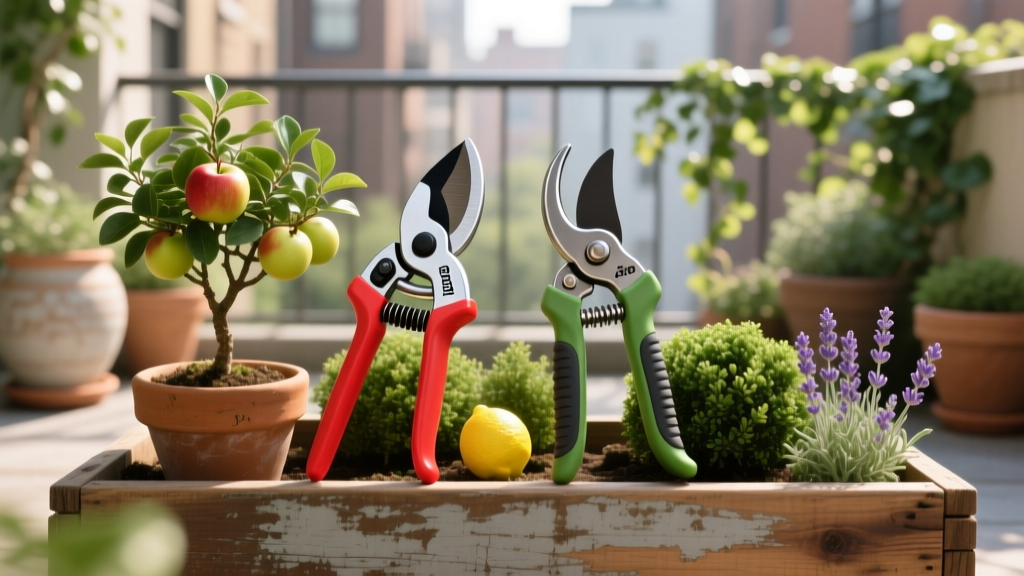
Fiskars vs Felco Pruners: Bypass & Anvil for Potted Trees 2026
Anna KowalskiPublished
The Rise of the Potted Orchard in 2026
Container and pot gardening has evolved dramatically over the last few years. In 2026, urban and suburban gardeners are no longer limited to potted annuals or small patio herbs. The modern container garden frequently features dwarf Meyer lemons, patio olive trees, potted Japanese maples, and even espaliered fig trees grown in large fabric or resin planters. However, growing trees in confined spaces requires a meticulous approach to canopy management. Because a potted tree has a restricted root zone, every pruning cut directly impacts its overall vigor, water uptake, and fruit production.
When managing these container-grown trees, the tools you use are just as critical as your technique. The debate between bypass and anvil pruners, as well as the premium brand showdown between Felco and Fiskars, remains a central topic for serious container gardeners. Choosing the right pruner ensures clean cuts that heal quickly, preventing dieback and disease from devastating your potted specimens. This comprehensive guide breaks down the mechanics, brand differences, and best practices for pruning potted trees in 2026.
Bypass vs. Anvil: Understanding the Mechanics for Container Trees
Before comparing brands, it is essential to understand the fundamental difference between bypass and anvil pruning shears, especially when applied to the unique microclimate of a container garden.
Bypass Pruners: The Scalpel for Live Wood
Bypass pruners operate like a pair of scissors. A sharp, curved cutting blade slides past a thicker, unsharpened lower jaw (the hook). This scissor-like action creates a clean, precise cut that seals quickly. According to the University of Minnesota Extension, clean cuts are vital for preventing the entry of fungal pathogens and wood-boring insects. For potted trees—where a systemic infection can quickly overwhelm a confined root system—bypass pruners are the undisputed champions for shaping live wood, thinning fruiting spurs, and making heading cuts on green branches.
Anvil Pruners: The Hammer for Deadwood
Anvil pruners feature a single straight blade that closes onto a flat, wide surface (the anvil), much like a knife cutting against a wooden chopping board. This crushing action provides immense leverage, making it easier to snap through thick, dry, or dead branches. However, if used on live, green wood, an anvil pruner will crush the plant tissue surrounding the cut. This crushed tissue often dies back to the next node, which can be disastrous for a slow-growing potted Japanese maple or a carefully trained bonsai. Anvil pruners should strictly be reserved for cleaning out dead, brittle interior twigs in your potted olive or citrus trees.
The Brand Showdown: Felco vs. Fiskars
In 2026, the pruning tool market is dominated by two distinct philosophies: the Swiss-engineered, repairable precision of Felco, and the ergonomic, high-force accessibility of Fiskars. Both brands offer exceptional tools, but they cater to different types of container gardeners.
Felco: The Professional Standard for Precision
Felco has been the gold standard for professional arborists and serious horticulturists for decades. For container gardening, the Felco 2 Classic and the slightly smaller Felco 6 are the most popular models. The Felco 2 features a hardened steel cutting blade, a sap groove to prevent sticking when pruning resinous potted conifers, and a wire-cutting notch.
The primary advantage of Felco in 2026 is its modularity. Every single part of a Felco pruner, from the blade to the spring to the rivets, is replaceable. When you are growing high-value dwarf fruit trees in containers, your tools need to last a lifetime. A Felco pruner can be completely rebuilt. The 2026 retail price for a genuine Felco 2 hovers around $72 to $78, reflecting its premium build quality and inflation-adjusted manufacturing costs.
Fiskars: Ergonomic Power and Accessibility
Fiskars approaches pruning from an ergonomic and mechanical leverage perspective. Their flagship Fiskars PowerGear Bypass Pruner utilizes a patented gear mechanism near the pivot point that multiplies your hand's squeezing force by up to three times. For container gardeners dealing with older, thickened branches on mature potted figs or citrus, this mechanical advantage reduces hand fatigue significantly.
Additionally, Fiskars offers excellent anvil options, such as the Fiskars Steel Anvil Pruner, which is perfect for the quick removal of deadwood in patio shrubs. Fiskars tools are generally not modular; when the blade dulls beyond sharpening or the gear mechanism fails, the tool is replaced. However, with a 2026 price point ranging from $24 to $35, Fiskars offers incredible value and accessibility for casual and intermediate container gardeners.
2026 Feature Comparison Chart
| Feature | Felco 2 (Bypass) | Fiskars PowerGear (Bypass) | Fiskars Steel (Anvil) |
|---|---|---|---|
| Best For | Live wood, precision shaping, fruit spurs | Thick live branches, gardeners with joint pain | Deadwood cleanup, dry interior twigs |
| 2026 Approx. Price | $75.00 | $32.00 | $26.00 |
| Repairability | 100% Replaceable Parts | Limited / Non-modular | Limited / Non-modular |
| Weight | 8.5 oz (Forged Aluminum) | 7.0 oz (Glass-filled Nylon) | 8.1 oz (Steel/Aluminum) |
| Max Cut Capacity | 1 inch (25mm) | 3/4 inch (20mm) | 5/8 inch (16mm) |
Container-Specific Pruning Best Practices
Pruning a tree in a pot requires a different mindset than pruning a tree in the ground. The Royal Horticultural Society (RHS) emphasizes that container plants are entirely dependent on the gardener for their structural balance and health. Here are the critical rules for pruning potted trees in 2026.
Maintaining the Root-to-Shoot Ratio
In the ground, a tree can send out roots far beyond its drip line to support a massive canopy. In a pot, the root zone is strictly capped by the container walls. If you allow the canopy of a potted tree to grow too large, the restricted root system will not be able to pump enough water to the extremities, leading to tip dieback and fruit drop. When pruning your potted citrus or olives, use your bypass pruner to thin the canopy by roughly 15% to 20% each early spring. This ensures the remaining branches receive adequate resources from the confined soil volume.
Sanitation in Confined Spaces
Diseases spread rapidly in container gardens, especially when pots are grouped closely together on a patio or balcony. Fungal cankers and bacterial blast can be transmitted from an infected potted shrub to a healthy one via dirty pruner blades. Penn State Extension strongly recommends sanitizing tools between plants. Keep a small spray bottle of 70% isopropyl alcohol or a 10% bleach solution on your potting bench. Spray and wipe the blades of your Felco or Fiskars pruners every time you move from one container to the next.
Dealing with Suckers and Watersprouts
Potted trees, particularly dwarf fruit trees grafted onto dwarfing rootstocks (like the Flying Dragon rootstock for citrus), are prone to sending up vigorous suckers from below the graft union. These suckers will drain energy from the fruiting canopy and can quickly overtake the pot. Use the pointed tip of a bypass pruner to snip these off as close to the trunk or soil line as possible the moment they appear. Do not use an anvil pruner for this, as the flat jaw cannot get flush against the trunk in a tight container space.
Final Verdict: Which Pruner Belongs in Your Potting Shed?
For the dedicated container gardener in 2026, the ideal setup involves owning both styles of pruners, but the brand you choose depends on your budget and long-term gardening goals.
If you are cultivating high-value, long-lived potted trees like Japanese maples, bonsai, or heritage dwarf fruit trees, invest in the Felco 2 or Felco 6. The precision bypass cut prevents tissue tearing, and the ability to replace the blade ensures your tool will last as long as your potted trees. It is an investment in the health of your container garden.
If you are managing a larger patio garden with dozens of shrubs, or if you suffer from arthritis and need mechanical assistance to cut through stubborn, older branches on potted olives, the Fiskars PowerGear Bypass is an ergonomic triumph. Pair it with a cheap Fiskars Anvil pruner dedicated solely to snapping out dead interior twigs, and you will have a complete, highly effective container pruning kit for under $60.
Ultimately, whether you choose Swiss precision or geared leverage, always prioritize the bypass blade for live wood. Your potted trees rely on you to keep their canopy balanced and their wounds clean, ensuring they thrive in their containers for years to come.
