Tree Care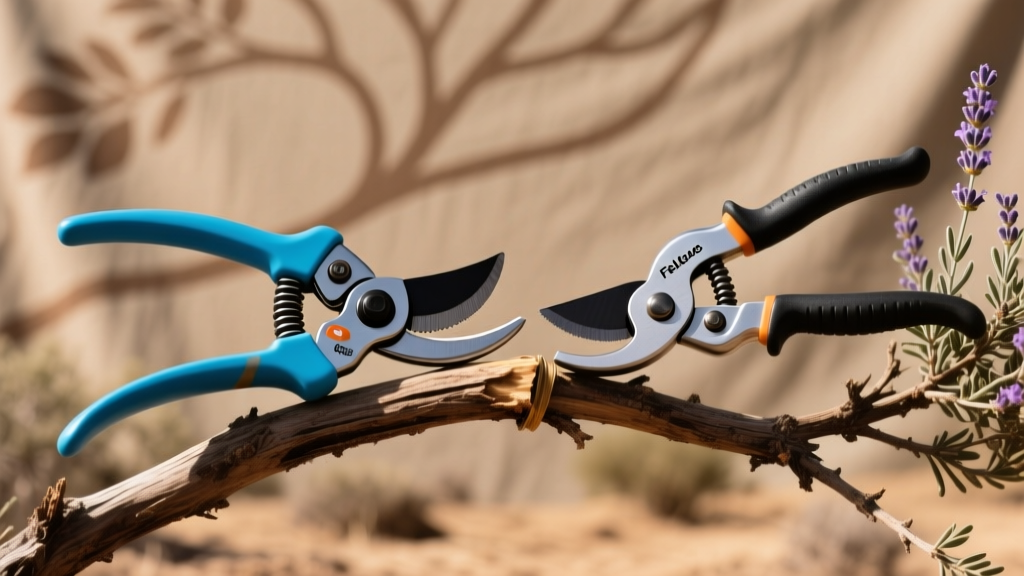
Fiskars vs Felco Pruners: Bypass & Anvil Xeriscape Guide 2026
Lisa ThompsonPublished
The Xeriscaping Pruning Challenge in 2026
As we navigate the stringent water conservation mandates of 2026, xeriscaping and low-water landscaping have transitioned from niche gardening trends to essential practices across the American West and beyond. Homeowners are increasingly replacing thirsty turf with resilient, drought-tolerant trees and shrubs such as Palo Verde, Desert Willow, Chitalpa, and various Olive cultivars. According to the EPA WaterSense Water-Efficient Landscaping guidelines, proper maintenance of these low-water plants is critical to their survival and aesthetic appeal. However, maintaining a xeriscape presents unique challenges, particularly when it comes to pruning.
Low-water plants often develop exceptionally dense, hardened, and sometimes brittle wood as an evolutionary response to arid conditions. Using the wrong pruning tool can crush vascular tissues, invite devastating pathogens like sooty canker, and cause unnecessary moisture loss. In this comprehensive 2026 guide, we break down the ultimate horticultural debate: bypass vs. anvil pruners, and the heavyweight brand showdown of Fiskars vs. Felco, specifically tailored for the modern xeriscape gardener.
Bypass vs. Anvil Pruners: Understanding the Mechanics for Dry Climates
Before choosing a brand, it is vital to understand the mechanical differences between bypass and anvil pruning shears, especially when dealing with the unique wood grain of drought-adapted species.
Bypass Pruners: The Clean Cut
Bypass pruners operate much like a pair of scissors. A sharp, curved blade passes closely by a thicker, unsharpened lower jaw (the hook). This scissor-like action creates a clean, precise cut that heals quickly. For live xeriscape trees and shrubs, bypass pruners are absolutely mandatory. When you prune a live Desert Willow or shape a young Olive tree, a clean cut ensures the plant's cambium layer is left intact, allowing the tree to compartmentalize the wound and retain precious internal moisture.
Anvil Pruners: The Crushing Force
Anvil pruners feature a single straight, sharpened blade that closes down onto a flat, wide surface (the anvil), typically made of softer metal or plastic. This mechanism operates like a knife on a cutting board. While anvil pruners can generate immense cutting power, they tend to crush plant tissues rather than slicing them cleanly. In a xeriscape setting, anvil pruners should only be used on dead, dry, or brittle wood. For example, clearing out the dead interior branches of a Mesquite tree or snapping off dried Agave flower stalks is where the anvil pruner shines. Using an anvil pruner on live xeriscape wood will crush the cambium, leading to dieback and severe moisture loss.
The 2026 Brand Showdown: Fiskars vs. Felco
With the mechanics established, how do the industry's top brands stack up for xeriscape maintenance in 2026? Both Fiskars and Felco offer exceptional tools, but they cater to different philosophies, budgets, and ergonomic needs.
Felco: The Swiss Standard for Precision
Felco has been the gold standard for professional arborists and master gardeners for decades. The iconic Felco 2 (bypass) is forged from hardened steel and features a lightweight, forged aluminum handle. In 2026, Felco continues to dominate the premium market, with models priced between $75 and $85. The primary advantage of Felco in a xeriscape is the sheer precision of the cut and the ability to easily replace every single part of the tool. When cutting through the dense, fibrous wood of a Palo Verde, the Felco 2's sap groove prevents the sticky, resinous sap common in desert plants from jamming the blade.
Fiskars: The Ergonomic Powerhouse
Fiskars approaches pruning with a focus on mechanical advantage and accessibility. Their PowerGear2 Bypass pruners utilize a patented gear mechanism that multiplies your hand's leverage, providing up to three times more cutting power. Priced affordably between $30 and $45 in 2026, Fiskars is a favorite among home gardeners and those with arthritis or reduced grip strength. For xeriscaping, the Fiskars PowerGear2 makes slicing through tough, hardened branches of drought-stressed shrubs remarkably easy. Additionally, their Steel Anvil models are fantastic for clearing out the brittle deadwood that naturally accumulates in low-water landscapes.
Feature Comparison Chart: Top Pruners for Xeriscaping
| Feature | Felco 2 (Bypass) | Fiskars PowerGear2 (Bypass) | Fiskars Max Power (Anvil) |
|---|---|---|---|
| 2026 Average Price | $75 - $85 | $30 - $40 | $25 - $35 |
| Best Xeriscape Use | Live, dense wood (Olive, Chitalpa) | Tough live branches, reduced hand strain | Dead Mesquite wood, dry Agave stalks |
| Cut Capacity | 1 inch (25mm) | 3/4 inch (20mm) | 1 inch (25mm) |
| Weight | 8.5 oz | 7.5 oz | 9.2 oz |
| Sap Resistance | Excellent (dedicated sap groove) | Good (PTFE coated blade) | Moderate |
| Repairability | 100% (all parts replaceable) | Limited (mostly disposable) | Limited (mostly disposable) |
Xeriscape-Specific Pruning Strategies for 2026
Choosing the right Fiskars or Felco tool is only half the battle. Pruning drought-tolerant trees requires specific techniques to ensure the plant remains healthy and water-efficient.
1. Timing is Everything
In low-water landscapes, pruning should generally be done in late winter or very early spring before the intense heat of summer triggers the plant's active growth phase. Pruning a xeriscape tree during peak summer heat can expose the inner bark to sunscald, a devastating issue for species like the Palo Verde. Furthermore, the Arbor Day Foundation's Pruning Guide emphasizes that avoiding heavy pruning during drought stress periods is crucial for tree survival.
2. Sanitization Prevents Devastation
Drought-stressed plants are highly susceptible to fungal and bacterial infections. When moving from one tree to another—especially when dealing with brittle, deadwood that requires an anvil pruner—you must sanitize your blades. Wipe your Felco or Fiskars blades with a 70% isopropyl alcohol solution between every single tree. This simple step prevents the spread of vascular wilts and sooty canker, which can wipe out a mature xeriscape in a single season.
3. Thinning vs. Topping
Never 'top' a xeriscape tree. Topping removes the leafy canopy, exposing the sensitive bark to the harsh sun and forcing the tree to expend massive amounts of stored water to push out weak, watersprouts. Instead, use your bypass pruners to perform 'thinning' cuts. By selectively removing specific branches back to their point of origin, you allow wind to pass through the canopy and dappled sunlight to reach the understory, reducing the tree's overall water demand without shocking its system. The University of Arizona Cooperative Extension strongly advocates for structural thinning of desert trees to prevent windthrow during monsoon storms while preserving the tree's natural shade.
Maintaining Your Pruners in Arid, Dusty Environments
Xeriscapes are inherently dusty environments, and many low-water plants produce thick, gummy saps to deter pests and retain moisture. This combination of fine dust and sticky sap can quickly ruin the pivot joint of any pruner.
- For Felco Owners: Disassemble your Felco 2 once a month. Use a wire brush to remove caked sap, wash the parts in warm soapy water, dry thoroughly, and apply a light coat of camellia oil or 3-in-One oil to the pivot and spring. Because Felco parts are replaceable, this maintenance ensures the tool will last a lifetime.
- For Fiskars Owners: While Fiskars PowerGear2 models are not designed to be taken apart, you must keep the gear housing free of debris. After every pruning session, wipe the blades down with an oiled rag. The PTFE (non-stick) coating on Fiskars blades repels sap beautifully, but it will degrade if left exposed to alkaline desert dust and intense UV rays.
Final Verdict for the Xeriscape Gardener
So, which brand and style should you add to your 2026 xeriscaping toolkit? The ideal setup actually involves a combination of both mechanics. Keep a Fiskars Max Power Anvil in your back pocket for quickly snapping away dead, brittle Mesquite branches and dried Yucca stalks without dulling your premium blades. For your primary live-wood pruning, the choice comes down to budget and ergonomics. If you have a large property with dozens of mature Olive and Desert Willow trees, invest in the Felco 2; its precision, sap groove, and rebuildable nature make it a lifelong investment. However, if you are managing a standard residential xeriscape and want maximum cutting power with minimal hand fatigue, the Fiskars PowerGear2 Bypass remains the undisputed champion of ergonomic, budget-friendly pruning. By matching the right tool to the unique biology of low-water plants, you ensure your drought-tolerant landscape remains vibrant, healthy, and water-efficient for decades to come.