Tree Care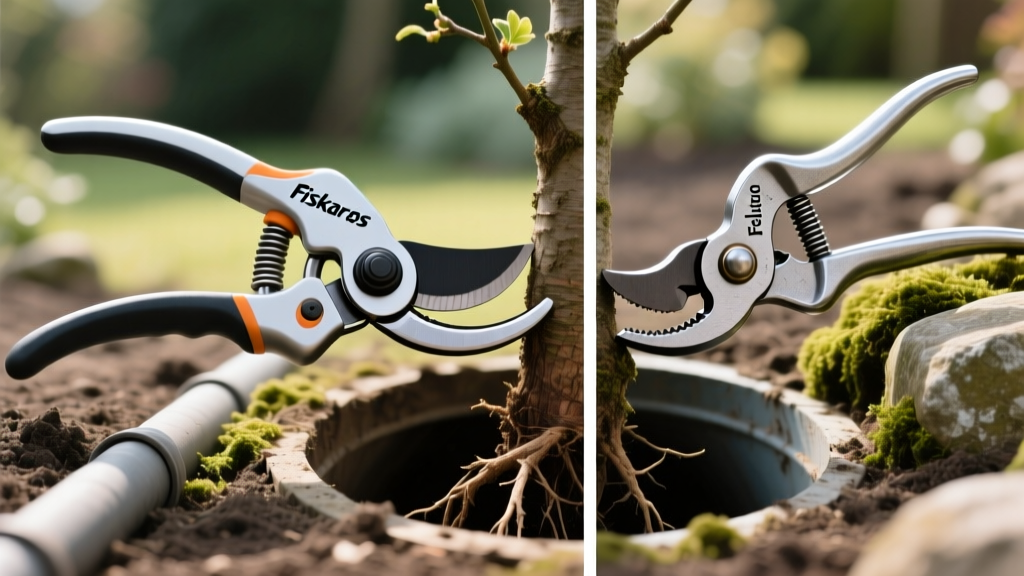
Fiskars vs Felco Pruners 2026: Root Pruning Near Drainage Pipes
David ParkPublished
The Intersection of Tree Roots and Landscape Drainage Pipes
When installing or maintaining a landscape drainage pipe system—whether it is a 4-inch corrugated French drain, a rigid PVC catch basin line, or an SDR-35 mainline—you will inevitably encounter tree roots. Trees are naturally drawn to the condensation, minor weepage, and nutrient-rich soil that surrounds subterranean drainage infrastructure. According to the Arbor Day Foundation, tree roots can extend well beyond the drip line, meaning your drainage trench is highly likely to intersect with a mature root system. Pruning these roots safely is critical to both the health of the tree and the structural integrity of your drainage pipes.
Choosing the right tool for this subterranean work is not just about cutting power; it is about precision, ergonomics in tight trenches, and preventing long-term damage to the tree's vascular system. As we navigate the 2026 landscaping season, the debate between bypass and anvil pruners, as well as the brand showdown between Fiskars and Felco, remains a hot topic among arborists and drainage contractors alike.
Bypass vs. Anvil Pruners: The Mechanics of Root Cutting
The Bypass Pruner Mechanism
Bypass pruners operate like a pair of scissors. They feature two curved blades that pass closely by one another, creating a clean, slicing cut. When dealing with live, water-heavy tree roots found near landscape drainage pipes, bypass pruners are the undisputed champion. A clean cut allows the tree's cambium layer to heal rapidly, forming a callous that prevents soil-borne pathogens from entering the root system. Furthermore, the hooked lower blade of a bypass pruner can be carefully maneuvered around a corrugated landscape drainage pipe to snag and slice a root without applying downward crushing pressure against the plastic tubing.
The Anvil Pruner Mechanism
Anvil pruners feature a single straight, sharpened blade that closes onto a flat, wide surface (the anvil). This design excels at crushing through dead, dry wood and thick, fibrous branches. However, using an anvil pruner on live roots near a drainage pipe is highly discouraged. The crushing action shatters the root's cellular structure, leading to slow healing, rot, and potential dieback. More importantly, if a root is resting directly against a rigid PVC landscape drainage pipe, the blunt force of the anvil closing can easily crack or shatter the pipe, leading to catastrophic soil erosion and system failure.
Fiskars vs. Felco: 2026 Brand and Model Showdown
Fiskars: The Homeowner's Drainage Repair Companion
In 2026, Fiskars continues to dominate the big-box store aisles, offering exceptional value for DIY landscapers and homeowners tackling weekend drainage projects. The Fiskars PowerGear2 Bypass Pruner utilizes patented gear technology that multiplies cutting force, making it surprisingly effective at slicing through fibrous, 1-inch roots that often clog French drain gravel beds. For those working in muddy trenches, the Fiskars Expert series offers a slightly more robust build with an anti-rust coating that resists the corrosive nature of wet, clay-heavy soils often found near drainage basins. While Fiskars tools are generally not designed to be rebuilt, their accessible 2026 price point makes them an excellent 'keep-in-the-truck' backup tool for heavy trenching work.
Felco: The Arborist's Choice for Precision Trenching
Felco remains the gold standard for professional arborists and high-end landscape contractors. The iconic Felco 2 Classic Bypass Pruner is a staple in the industry, prized for its hardened steel blade and the ability to replace every single component. When working in a narrow trench next to a delicate landscape drainage pipe, the precision of a freshly sharpened Felco blade ensures that roots are severed cleanly without tearing or snagging on the pipe's corrugations. The Felco 8 offers an angled cutting head, which is a massive ergonomic advantage when you are kneeling in a trench and trying to cut a root flush against the side of a PVC pipe without contorting your wrist. Though the initial investment is higher, the lifetime durability of Felco tools makes them the superior choice for professionals who regularly manage tree root intrusions in drainage systems.
2026 Comparison Chart: Fiskars vs. Felco for Drainage Maintenance
| Feature | Fiskars PowerGear2 Bypass | Felco 2 Classic Bypass | Felco 8 Angled Bypass |
|---|---|---|---|
| Best For | DIY French drain repairs, fibrous roots | Pro root pruning, precise PVC pipe clearance | Ergonomic trench work, flush root cuts |
| Max Cut Diameter | 1.0 inch (25mm) | 1.0 inch (25mm) | 1.0 inch (25mm) |
| 2026 Est. Price | $28.00 - $35.00 | $60.00 - $70.00 | $75.00 - $85.00 |
| Blade Material | Hardened stainless steel | Premium hardened steel | Premium hardened steel |
| Replaceable Parts | No (Limited warranty) | Yes (All parts) | Yes (All parts) |
| Pipe Safety | High (Hook avoids downward pressure) | Very High (Precision control) | Very High (Angled head prevents snags) |
Best Practices for Pruning Roots Near Drainage Systems
According to guidelines published by the University of Minnesota Extension, improper root pruning can destabilize a tree and invite devastating fungal infections. When working around landscape drainage pipes, follow these critical steps:
- Locate the Pipe First: Before making any cuts, use a hand trowel to fully expose the landscape drainage pipe. You must know exactly where the pipe is to avoid driving your pruner's blade into the plastic or clay material.
- Identify the Root Type: Thick, structural anchoring roots (larger than 2 inches in diameter) should generally not be cut unless absolutely necessary, as they provide the tree's structural stability. Focus on pruning the smaller, fibrous feeder roots that are actively infiltrating the drain gravel or pipe joints.
- Use the Bypass Technique: Always use a sharp bypass pruner. Position the lower hook behind the root, ensuring the hook does not scrape against the landscape drainage pipe. Squeeze smoothly to sever the root.
- Make Clean, Flush Cuts: Do not leave long root stubs pointing toward the pipe. Cut the root cleanly outside the immediate trench zone to encourage the root to redirect its growth away from the drainage infrastructure. The University of Wisconsin-Madison Extension emphasizes that clean cuts are the tree's best defense against decay.
- Install a Root Barrier: After pruning, consider installing a copper-impregnated geotextile fabric or a rigid plastic root barrier between the tree and the landscape drainage pipe to deter future intrusion without harming the tree.
Tool Maintenance After Trench Work
Working near landscape drainage pipes means your tools are exposed to wet soil, clay, standing water, and potentially harsh chemical root inhibitors like copper sulfate. To keep your Fiskars or Felco pruners functioning perfectly throughout the 2026 season, rigorous maintenance is required.
Immediately after finishing your drainage pipe work, wipe the blades down with a stiff wire brush and a rag soaked in isopropyl alcohol. This removes the abrasive grit that can dull the cutting edge and scratches the non-stick coatings. If you were working near a pipe that had been treated with root-killing foams or chemical sealants, wash the tool with warm soapy water to prevent chemical corrosion. Finally, apply a light coat of camellia oil or a dedicated tool lubricant to the pivot joint and blades. For Felco owners, take the time to adjust the tension nut; the grit from drainage trenches often works its way into the pivot, causing the blades to bind or separate slightly, which will tear roots rather than slice them.
Conclusion
Managing tree roots near a landscape drainage pipe requires a delicate balance of brute force and surgical precision. While anvil pruners have their place in the woodpile, the bypass pruner is the only acceptable choice for live root maintenance in the trench. When choosing between brands, Fiskars offers an unbeatable entry point for homeowners managing basic corrugated drain lines, while Felco provides the ergonomic, rebuildable precision that professionals need when working inches away from expensive PVC drainage infrastructure. By selecting the right tool and following proper pruning protocols, you can protect both your landscape drainage system and the long-term health of your trees.