Tree Care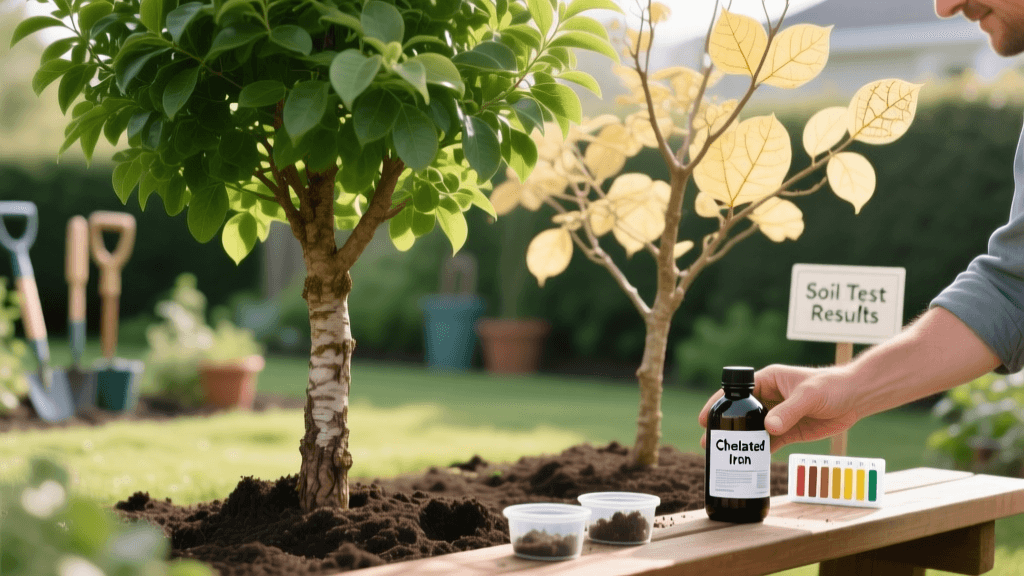
Diagnosing and Fixing Iron Chlorosis in Landscape Trees
If you notice the leaves on your landscape trees turning a pale, sickly yellow while the veins remain distinctly green, you are likely dealing with iron chlorosis. This pervasive physiological disorder is one of the most common tree health issues in North America, particularly in regions with heavy clay or alkaline soils. Left untreated, iron chlorosis leads to stunted growth, severe branch dieback, and eventually the death of the tree. As a homeowner or landscape manager, understanding the root cause of this nutrient lockout and implementing a targeted troubleshooting strategy is essential for saving your valuable landscape assets.
What is Iron Chlorosis and Why Does it Happen?
Iron is a crucial micronutrient required for the synthesis of chlorophyll, the pigment responsible for photosynthesis and the green color of leaves. However, the problem rarely stems from a lack of iron in the soil. In fact, most soils contain abundant iron. The true culprit is soil pH. When soil becomes alkaline (a pH above 7.0), iron oxidizes and changes into a form that tree roots cannot absorb. This phenomenon, known as nutrient lockout, starves the tree of iron despite its presence in the ground. According to the University of Minnesota Extension, high soil pH, compacted soil, and excessive moisture are the primary drivers of this condition.
Certain tree species are notoriously susceptible to iron chlorosis because they have a higher iron requirement or lack the root adaptations to acidify their immediate rhizosphere. Highly susceptible species include:
- Pin Oak (Quercus palustris)
- River Birch (Betula nigra)
- Red Maple (Acer rubrum)
- Sweetgum (Liquidambar styraciflua)
- Bald Cypress (Taxodium distichum)
Diagnosing the Deficiency: Iron vs. Manganese vs. Nitrogen
Before purchasing treatments, you must accurately diagnose the problem. Yellowing leaves (chlorosis) can also be caused by manganese deficiency or a lack of nitrogen. Misdiagnosis leads to wasted money and ineffective treatments. Use the diagnostic table below to troubleshoot the specific nutrient deficiency affecting your tree.
| Deficiency Type | Visual Symptoms | Location on Tree | Primary Soil Cause |
|---|---|---|---|
| Iron | Yellow leaves, bright green veins. Severe cases show brown, scorched leaf margins. | Newest growth (branch tips and outer canopy). | High pH (Alkaline), compacted soil, poor drainage. |
| Manganese | Yellowing between veins, often with dark necrotic (dead) spots on the leaf surface. | New to middle growth. | High pH, excessive phosphorus levels. |
| Nitrogen | Uniform pale green or solid yellow leaves without distinct green veins. | Older, lower, and interior leaves first. | Sandy soils, heavy leaching, lack of organic matter. |
Step-by-Step Troubleshooting and Treatment
Once you have confirmed iron chlorosis, you must implement a multi-tiered treatment plan. Because soil chemistry changes slowly, a combination of immediate rescue tactics and long-term soil amendments is required.
Step 1: Test Your Soil pH and Moisture
Do not guess your soil pH. Purchase a reliable home testing kit, such as the Luster Leaf Rapitest, or send a soil sample to your local university cooperative extension for a comprehensive analysis. Your target pH for most landscape trees is between 6.0 and 6.5. Additionally, check soil moisture. Overwatering displaces oxygen in the soil, suffocating roots and exacerbating chlorosis. If the soil is soggy, address drainage issues before applying chemical treatments.
Step 2: Lowering Soil pH (Acidification)
To unlock the existing iron in your soil, you must lower the pH. The most effective and long-lasting method is applying elemental sulfur. Products like Espoma Soil Acidifier are widely available and safe for landscape use.
- Application Rate: Apply 1 to 2 pounds of elemental sulfur per 100 square feet of soil area beneath the tree's drip line.
- Cost: Approximately $15 to $25 for a 4-pound bag.
- Timing: Apply in late fall or early spring. Soil bacteria require warmth and moisture to convert sulfur into sulfuric acid, meaning it can take 6 to 12 months to see a significant pH shift.
Step 3: Applying EDDHA Chelated Iron
Standard iron sulfate supplements will quickly lock up again in alkaline soils. You must use a chelated iron product specifically formulated for high-pH soils. Look for the chelate EDDHA (ethylenediamine-N,N'-bis(2-hydroxyphenylacetic acid)), which remains stable in soils with a pH up to 9.0. Top commercial products include Sequestrene 138 and Miller's Ferriplus.
- Application Rate: Mix 1 to 2 ounces of EDDHA chelate per inch of trunk diameter (measured at chest height) with 5 gallons of water.
- Method: Pour the solution as a soil drench evenly around the drip line of the tree, where the feeder roots are most active.
- Cost: $40 to $70 per pound of EDDHA chelate. While expensive, it is highly effective and lasts 1 to 2 seasons.
- Timing: Apply in early spring just as buds begin to break.
Step 4: Trunk Injections for Severe Cases
If your tree is experiencing severe dieback and you cannot wait months for soil treatments to take effect, trunk injection is the ultimate rescue therapy. This process involves drilling small holes into the xylem and using pressurized capsules to deliver iron directly into the tree's vascular system. The Colorado State University Extension notes that macro-infusion systems, such as those manufactured by Arborjet, can green up a severely chlorotic tree in a matter of weeks.
- Cost: $150 to $350 per tree when hired out to an ISA Certified Arborist.
- Longevity: A single injection can protect the tree for 2 to 3 years.
- Caution: Repeated drilling can cause mechanical damage and create entry points for wood-decay fungi. Reserve this method for high-value or severely declining trees.
Step 5: Foliar Sprays (The Quick, Temporary Fix)
For a rapid but short-term cosmetic fix, you can apply a foliar spray of ferrous sulfate. Mix 1 to 2 tablespoons of ferrous sulfate powder per gallon of water, adding a few drops of liquid dish soap as a surfactant to help the liquid adhere to the leaves. Spray the canopy thoroughly in the late evening to prevent sun-scald and leaf burn. The leaves will green up within 10 to 14 days, but this only treats the existing foliage and will not protect new growth that emerges later in the season.
Preventative Maintenance and Long-Term Care
Treating chlorosis is only half the battle; preventing relapse requires ongoing cultural care. The Morton Arboretum heavily emphasizes the role of proper mulching and watering in maintaining tree vigor and soil health.
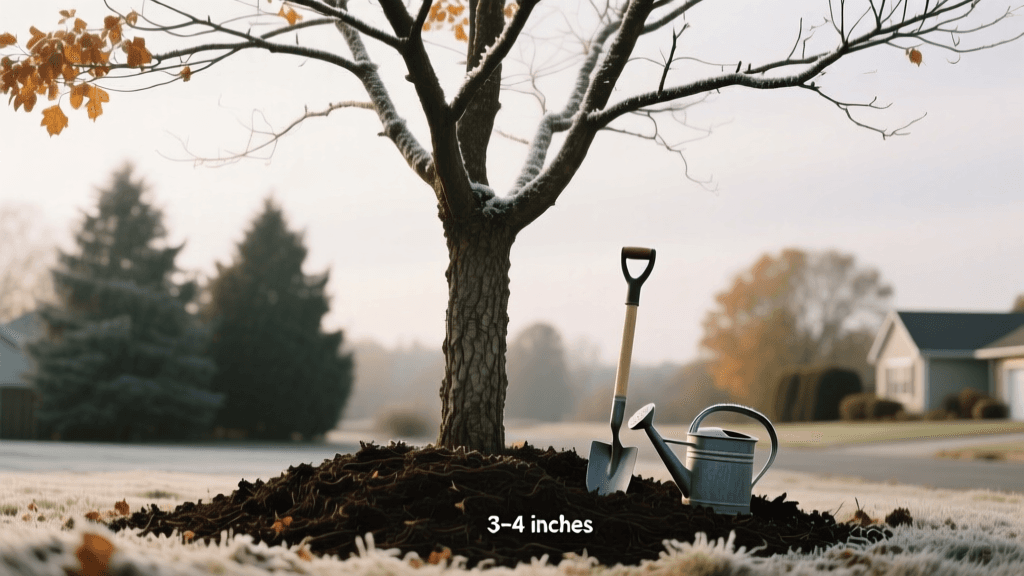
Apply a 2 to 3-inch layer of organic wood chip mulch in a wide ring around the tree, extending out to the drip line if possible. Mulch regulates soil temperature, retains vital moisture, and slowly breaks down to add organic acids to the soil, naturally lowering the pH over time. Crucially, keep the mulch at least 3 inches away from the trunk flare to prevent rot and rodent damage—never practice 'volcano mulching'.
Finally, adjust your irrigation practices. Water deeply and infrequently to encourage deep root growth. Shallow, frequent watering promotes weak surface roots that are highly susceptible to environmental stress and nutrient deficiencies. By combining accurate diagnosis, targeted chemical interventions, and proper cultural habits, you can successfully troubleshoot iron chlorosis and restore your landscape trees to vibrant, long-lasting health.