
Landscaping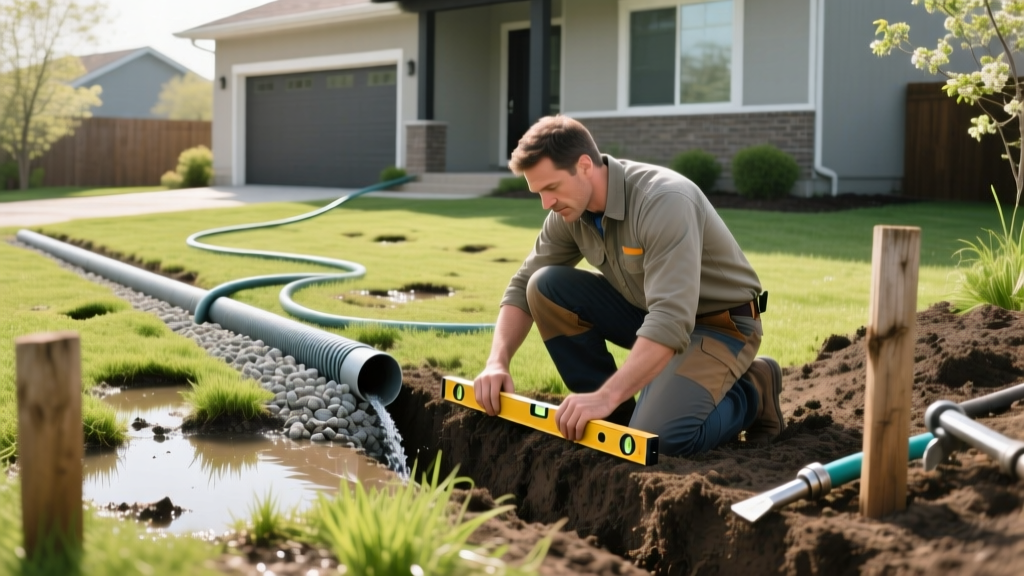
How to Fix Poor Yard Drainage and Standing Water Issues
James MillerPublished
Standing water in your yard is more than just a muddy nuisance; it is a severe threat to your home's foundation, your landscape's health, and your outdoor living spaces. When water fails to percolate through the soil or run off properly, it creates breeding grounds for mosquitoes, promotes fungal lawn diseases, and can lead to costly basement flooding. Diagnosing the exact cause of poor yard drainage is the critical first step before investing time and money into hardscaping or grading solutions. In this comprehensive guide, we will walk you through professional problem diagnosis techniques and provide actionable, step-by-step solutions to permanently fix poor yard drainage.
Diagnosing the Root Cause of Standing Water
Before you start digging trenches or ordering gravel, you must understand why water is pooling. Poor drainage typically stems from three main culprits: heavy clay soil composition, improper yard grading, or a high water table. To pinpoint the issue, landscaping professionals rely on a simple but highly effective diagnostic tool: the percolation test.
How to Perform a Percolation Test
- Dig a hole approximately 12 inches wide and 12 inches deep in the area where water tends to pool.
- Fill the hole with water and let it drain completely. This primes the soil and mimics saturated conditions.
- Refill the hole with water to the top.
- Measure the water level drop after one hour using a tape measure.
If the water level drops less than 1 inch per hour, you have poorly draining soil, typically indicative of high clay content. If it drops between 1 and 6 inches per hour, your soil has moderate drainage. A drop of more than 6 inches indicates sandy, fast-draining soil, meaning your pooling issue is likely caused by improper grading or a hardpan layer beneath the topsoil rather than the soil composition itself.
Top Landscaping Solutions for Poor Drainage
1. Installing a French Drain System
A French drain is a subsurface drainage solution designed to intercept and redirect groundwater and surface runoff. It is the gold standard for fixing soggy yards and protecting foundations. To maximize efficiency, integrate an NDS 9x9 inch catch basin at the highest point of water pooling to capture surface water before it saturates the ground.
To install a standard French drain, rent a walk-behind trenching machine (typically $150 per day) to dig a trench that is 12 inches wide and 18 to 24 inches deep. The trench must have a minimum slope of 1 inch per 8 feet (a 1% grade) to ensure gravity moves the water toward the discharge point, such as a storm drain or dry well. Line the trench with a heavy-duty woven landscape fabric, such as Mirafi 500X, to prevent soil infiltration. Place a 4-inch NDS corrugated slotted pipe at the bottom, ensuring the slots face downward to prevent sediment clogging. Fill the trench with 3/4-inch washed crushed gravel, fold the landscape fabric over the top to create a gravel burrito, and cover with 2 inches of topsoil and sod.
2. Regrading and Topdressing
If your percolation test shows good drainage but water still pools near your home, your yard's grading is likely the problem. The ground should slope away from your foundation at a rate of 6 inches over the first 10 feet. This is a critical measurement for structural integrity.
To fix this, purchase clay-heavy topsoil or a specialized grading mix. Avoid using pure compost or peat moss, as these act like sponges and retain water. Spread the soil against the foundation, tamping it down with a hand tamper every 2 inches to prevent future settling. Ensure the final grade remains at least 4 inches below your home's siding or brick weep holes to prevent termite access and wood rot.
3. Building a Dry Creek Bed
For areas with heavy surface runoff during rainstorms, a dry creek bed offers a highly aesthetic, low-maintenance solution. This hardscaping feature mimics a natural stream, channeling water away from vulnerable garden beds and structures while adding visual interest to the landscape.
Excavate a meandering path roughly 2 to 3 feet wide and 1 foot deep. Lay down a commercial-grade weed barrier. Place large, angular boulders (12 to 18 inches in diameter) along the edges to anchor the design and slow water velocity. Fill the center with a mix of 3-inch to 5-inch river rock and smaller pea gravel. The varying rock sizes create natural turbulence, which slows the water down and prevents erosion at the discharge point.
4. Establishing a Rain Garden
If you prefer a sustainable, eco-friendly approach, a rain garden is an excellent way to manage stormwater. A rain garden is a shallow depression planted with deep-rooted native species that can tolerate both temporary flooding and drought. Use a Luster Leaf Rapitest soil kit to check your pH before selecting plants.
Locate the garden at least 10 feet away from your foundation and 50 feet away from septic systems. Dig a shallow bowl about 6 to 8 inches deep. Amend the native soil with 50% compost and 25% coarse sand to improve infiltration. Plant moisture-loving natives like Swamp Milkweed, Blue Flag Iris, and Joe-Pye Weed. These plants act as biological filters, absorbing excess water and filtering out pollutants before they reach the groundwater.
Cost, Material, and Timeline Comparison Chart
| Solution | Best Application | Estimated DIY Cost | Pro Installation Cost | Time to Install |
|---|---|---|---|---|
| French Drain | Subsurface water, foundation protection | $5 - $15 per linear ft | $25 - $50 per linear ft | 1 - 3 Days |
| Regrading | Surface pooling near foundation | $50 - $150 (soil costs) | $500 - $1,500 flat rate | 4 - 8 Hours |
| Dry Creek Bed | Surface runoff, aesthetic channels | $3 - $8 per square ft | $10 - $20 per square ft | 2 - 4 Days |
| Rain Garden | Eco-friendly stormwater management | $100 - $300 (plants/soil) | $1,000 - $3,000 | 1 - 2 Days |
Expert Insights and Authoritative Citations
According to the Clemson Cooperative Extension, 'Proper surface grading is the first and most important step in ensuring good drainage around a home. Water should be directed away from the foundation to prevent structural damage and basement moisture issues.'
The experts at Clemson emphasize that while subsurface drains like French drains are highly effective, they should be viewed as secondary measures if surface grading has not been properly addressed first. Fixing the surface slope is always more cost-effective and requires less long-term maintenance than relying solely on underground piping, which can eventually clog with sediment or invasive tree roots.
Maintaining Your Drainage Solutions
Installation is only half the battle; routine maintenance ensures your drainage systems function for decades. Flush French drains annually with a garden hose or a pressure washer on a low setting to clear out silt and organic debris. For dry creek beds, use a leaf blower to clear autumn leaves and twigs that can create dams and force water over the banks. Inspect your rain garden's inlet after heavy storms to remove sediment buildup that could choke your native plants.
When to Call a Professional Landscaper
While many drainage solutions can be tackled as weekend DIY projects, certain scenarios require the expertise of a licensed landscaping contractor or hydrologist. If your yard features a high water table where water seeps up from the ground regardless of rainfall, or if your property sits at the bottom of a hill receiving heavy runoff from neighboring lots, a professional assessment is crucial. Additionally, if your proposed discharge area requires tying into municipal storm sewers, you will need a professional to pull the necessary permits and ensure compliance with local zoning laws.
Final Thoughts on Yard Drainage
Solving poor yard drainage requires a methodical approach. By starting with a simple percolation test and evaluating your yard's grading, you can accurately diagnose the root cause of your standing water. Whether you choose to install a subsurface French drain, sculpt a beautiful dry creek bed, or plant a sustainable rain garden, taking action will protect your home's foundation and transform your soggy yard into a thriving, usable outdoor living space. Remember to always call 811 before you dig to ensure you do not strike underground utilities.

