Gardening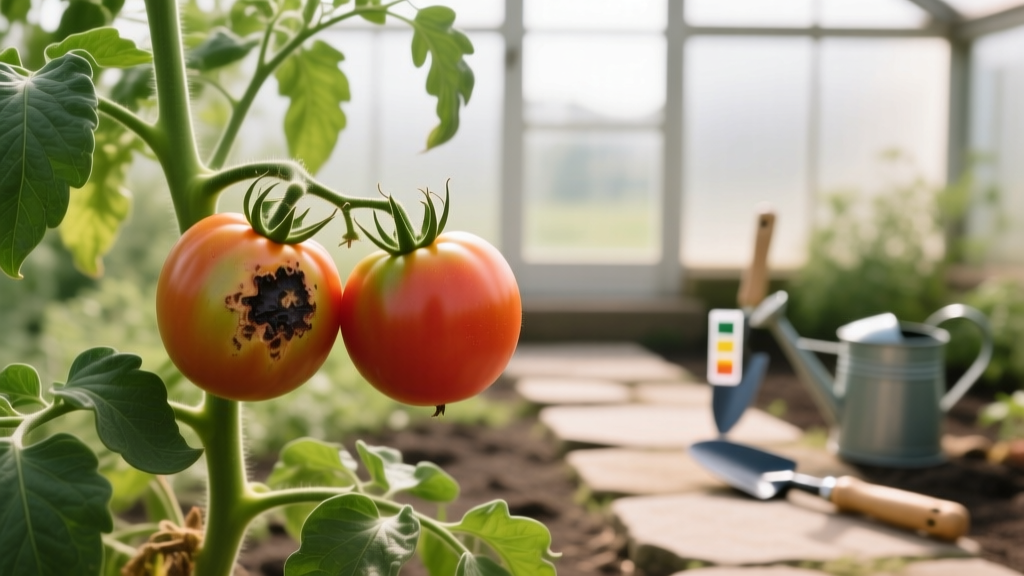
Diagnosing and Fixing Blossom End Rot in Tomatoes
Mike RodriguezPublished
What is Blossom End Rot?
Blossom end rot (BER) is one of the most frustrating and common physiological disorders that plague home gardeners, particularly those growing tomatoes, peppers, and eggplants. Unlike fungal blights or bacterial wilts, blossom end rot is not caused by a pathogen. You cannot catch it from a neighboring plant, and it will not spread through the air. Instead, it is a localized nutritional deficiency that manifests as a dark, sunken, leathery scar on the bottom (the blossom end) of the developing fruit.
Many gardeners immediately assume their soil lacks calcium and rush to the garden center to buy lime or crushed eggshells. However, the reality of blossom end rot is much more nuanced. In most home gardens, there is plenty of calcium in the soil; the plant simply cannot transport it to the fruit efficiently.
According to the University of Minnesota Extension, blossom end rot is primarily a calcium transport issue triggered by environmental stress, particularly fluctuating soil moisture, rather than an absolute lack of calcium in the soil profile.
How to Diagnose Blossom End Rot
Accurate diagnosis is the first step in effective troubleshooting. Blossom end rot typically appears when the fruit is about one-third to one-half full size. It begins as a small, water-soaked, pale spot on the blossom end of the tomato. As the fruit expands, the spot enlarges, turning dark brown or black, and becomes sunken and leathery. Secondary fungi may eventually colonize the dead tissue, leading to fuzzy mold, which often tricks gardeners into thinking the primary issue is a fungal disease.
To ensure you are treating the correct problem, compare your plant's symptoms against other common tomato disorders using the diagnostic table below.
| Disorder | Visual Symptoms | Primary Cause | Solution |
|---|---|---|---|
| Blossom End Rot | Dark, leathery, sunken spots strictly on the bottom (blossom end) of the fruit. | Calcium transport failure due to water stress or root damage. | Consistent watering, mulching, and soil pH adjustment. |
| Early Blight | Concentric rings (target spots) on lower leaves, sometimes causing stem lesions. | Fungal pathogen (Alternaria solani). | Apply copper fungicide, prune lower leaves, practice crop rotation. |
| Sunscald | White or pale yellow papery, blistered patches on the side of the fruit facing the sun. | Direct, intense sunlight exposure on exposed fruit. | Maintain leaf canopy, use 30% shade cloth during peak summer heat. |
| Late Blight | Water-soaked, pale green to brown lesions on leaves; firm, greasy brown spots on fruit. | Oomycete pathogen (Phytophthora infestans). | Remove and destroy infected plants immediately; apply preventative fungicides. |
The Science Behind the Rot: Why Calcium Fails
To troubleshoot blossom end rot, you must understand how plants move nutrients. Calcium is transported through the plant's xylem (the vascular tissue responsible for moving water and dissolved minerals upward from the roots). Crucially, calcium only moves with water. It does not move through the phloem (the tissue that moves sugars from leaves to other parts of the plant).
When a tomato plant experiences drought stress, or when soil moisture fluctuates wildly between bone-dry and waterlogged, the transpiration stream slows down or stops. The plant prioritizes sending whatever water it has to the leaves to keep them from wilting. The developing fruits, which have a lower transpiration rate, get cut off from the calcium supply. The rapidly dividing cells at the blossom end of the fruit collapse without calcium to hold their cell walls together, resulting in the characteristic black rot.
Step-by-Step Troubleshooting and Treatment
If you spot blossom end rot on your current crop, the affected fruits will not recover. You should pick them off and compost them to redirect the plant's energy into producing new, healthy fruit. Then, immediately implement the following troubleshooting steps to save the rest of your harvest.
1. Regulate Your Watering Schedule
Consistent soil moisture is the single most effective treatment for BER. Tomatoes require 1 to 1.5 inches of water per week, including rainfall. During the peak heat of summer, this may require deep watering every two to three days. Invest in a digital rain gauge or a simple soil moisture meter to monitor conditions. Hand-watering with a wand is often inconsistent; upgrading to a drip irrigation system (which costs between $50 and $150 for a basic raised bed kit) ensures water is delivered slowly and evenly directly to the root zone, minimizing evaporation and moisture fluctuations.
2. Apply the Right Mulch
Bare soil dries out rapidly and experiences massive temperature swings, both of which stress tomato roots and disrupt water uptake. Apply a 2 to 3-inch layer of organic mulch around your tomato plants. Straw, shredded leaves, or untreated grass clippings are excellent choices. A standard bale of straw costs around $5 to $10 and will cover a substantial garden area. Keep the mulch about 2 inches away from the main stem of the plant to prevent collar rot and deter stem-boring pests.
3. Test and Amend Your Soil pH
Even if your soil is moist, roots cannot absorb calcium if the soil pH is out of balance. Tomatoes thrive in slightly acidic soil with a pH between 6.2 and 6.8. If your soil is too acidic (below 6.0), calcium becomes chemically locked up. Purchase a reliable at-home soil test kit or send a sample to your local cooperative extension (typically $15 to $30).
If your pH is low, amend the soil with garden lime (calcium carbonate). However, if your pH is already optimal but you still suspect a calcium deficiency, use gypsum (calcium sulfate). According to Penn State Extension, gypsum provides highly soluble calcium without altering the soil pH. Apply 1 to 2 pounds of gypsum per 100 square feet, working it gently into the top few inches of soil around the drip line of the plant.
4. Reevaluate Your Fertilizer
Excessive nitrogen, particularly in the form of ammonium, is a major hidden culprit behind blossom end rot. High nitrogen levels push the plant into rapid vegetative growth. The expanding leaves demand massive amounts of calcium, pulling it away from the fruit. Furthermore, ammonium ions compete directly with calcium ions for uptake at the root surface. Stop using high-nitrogen synthetic fertilizers (like 20-10-10) or fresh manure. Switch to a balanced, slow-release organic tomato fertilizer with a lower nitrogen ratio, such as a 5-10-10 or an organic blend like Espoma Tomato-tone, which provides a steady nutrient release without spiking leafy growth.
Debunking the Foliar Calcium Spray Myth
Walk into any garden center, and you will likely see bottles of liquid calcium chloride marketed as a 'quick fix' foliar spray for blossom end rot. While this seems like a logical shortcut, horticultural science tells a different story. The UMass Amherst Extension notes that foliar calcium sprays are largely ineffective for treating BER. Calcium is immobile within the plant's phloem, meaning that even if the leaves absorb the spray, they cannot transport it down to the fruit. Furthermore, the fruit's waxy cuticle resists absorption, and spraying calcium salts on foliage during hot, sunny weather can cause severe leaf burn. Save your money and focus on root-zone moisture management instead.
Long-Term Prevention for Next Season
Troubleshooting is reactive, but prevention is proactive. To ensure blossom end rot does not return next year, focus on building resilient soil structure during the fall and early spring. Incorporate generous amounts of finished compost into your raised beds and garden rows. Compost acts like a sponge, drastically improving the soil's water-holding capacity and buffering against moisture fluctuations.
Additionally, avoid cultivating or hoeing deeply around your tomato plants once they are established. Tomato roots are relatively shallow, and severing them with a hoe reduces the plant's ability to uptake water and calcium, directly triggering BER. By maintaining consistent moisture, managing your nitrogen inputs, and keeping your soil pH in the 6.2 to 6.8 sweet spot, you can confidently grow a heavy, blemish-free harvest of tomatoes season after season.
