Pest Control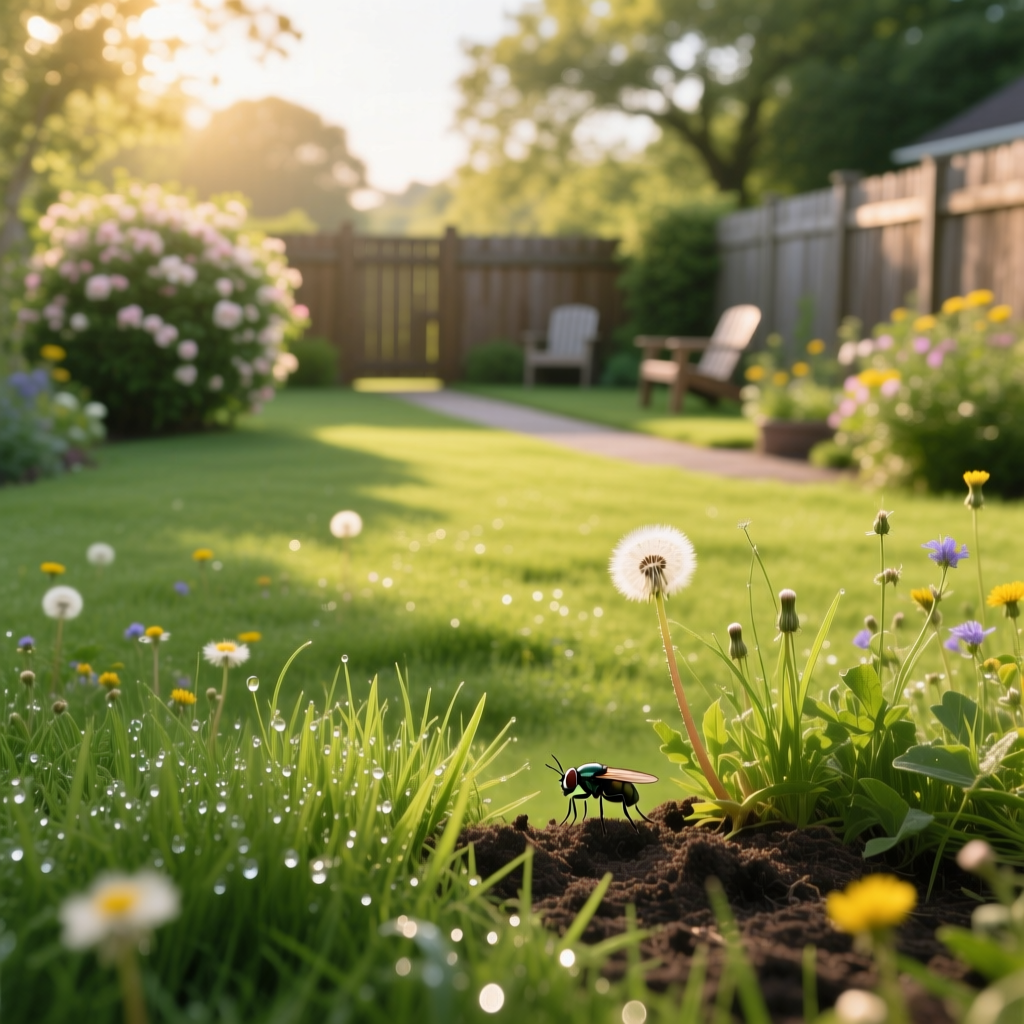
The Ultimate Guide to Outdoor Flea Control for Your Yard
Emily WatsonPublished
The Ultimate Guide to Outdoor Flea Control for Your Yard
There are few things more frustrating for a homeowner and pet owner than dealing with a flea infestation. While many people associate fleas strictly with indoor carpets and pet bedding, the reality is that your yard is often the primary source of the problem. Outdoor fleas can turn a beautiful lawn into an itchy, unusable space for both humans and animals. If your dog or cat is constantly scratching after spending time outside, or if you are finding unexplained bites on your ankles after walking through the grass, you likely have an outdoor flea problem.
Fleas are resilient, rapidly breeding pests that thrive in specific microclimates within your landscape. Treating your pet alone is only a temporary fix; if the outdoor environment remains untreated, your pet will simply pick up a new batch of fleas the moment they step outside. Effective flea control requires an integrated approach that combines proper lawn maintenance, natural deterrents, and targeted treatments. In this comprehensive guide, we will explore how to identify flea habitats, implement proactive lawn care strategies, utilize DIY and chemical solutions, and determine when it is time to call in professional pest control services to reclaim your yard.
Identifying Fleas and Their Habitats in Your Yard
Before you can effectively eliminate fleas, you must understand what you are up against and where they are hiding. Fleas are tiny, wingless insects that are typically dark brown or reddish-brown in color. They possess incredibly powerful hind legs that allow them to jump vertically and horizontally with astonishing speed, making them difficult to catch and eradicate. While they are small—usually measuring between 1/16 and 1/8 of an inch long—their bites leave distinct, itchy, red welts often clustered around the ankles and lower legs of humans, or scattered across the bellies and hindquarters of pets.
Understanding the flea life cycle is crucial for successful outdoor eradication. The life cycle consists of four stages: egg, larva, pupa, and adult. Adult fleas live on hosts like dogs, cats, raccoons, and opossums. As these animals move through your yard, they shed flea eggs into the grass. These eggs hatch into larvae, which are highly sensitive to light and heat. The larvae burrow deep into the soil, thatch, and leaf litter to feed on organic debris and adult flea feces. Eventually, they spin a protective cocoon and enter the pupa stage. The pupa is incredibly resilient, capable of surviving harsh weather and resisting many common insecticides, waiting for the vibrations and carbon dioxide of a passing host to emerge as an adult.
Because larvae and pupae despise direct sunlight and dry conditions, outdoor fleas do not infest the entire lawn uniformly. Instead, they congregate in specific micro-habitats. You will typically find the highest concentrations of fleas in shaded, moist areas. Common hotspots include:
- Underneath decks, porches, and sheds: These areas provide permanent shade and protection from rain and direct sun.
- Dense shrubbery and overgrown bushes: Thick foliage traps humidity and blocks UV rays, creating a perfect breeding ground.
- Tall grass and weedy fence lines: Uncut edges of the property harbor moisture and provide a pathway for wildlife to deposit eggs.
- Pet resting areas: Spots where your dog or cat frequently sleeps or lounges outdoors will have the highest concentration of eggs and larvae.
By identifying these shaded, humid zones, you can target your treatments much more effectively rather than wasting time and resources spraying the entire sun-drenched lawn.
Proactive Lawn Care and Prevention Strategies
The most effective long-term strategy for outdoor flea control is making your yard inhospitable to them. Fleas require moisture, shade, and organic debris to survive their vulnerable larval stages. By altering the environment through consistent lawn care, you can naturally decimate their population and prevent future infestations.
Sunlight is a Flea's Worst Enemy
Flea larvae and eggs dry out and die when exposed to direct sunlight and low humidity. Therefore, maximizing the amount of sunlight that reaches your soil is a powerful preventative measure. Trim back overhanging tree branches, thin out dense shrubs, and prune bushes to allow UV rays to penetrate the lower canopy. If you have heavily shaded areas that cannot be pruned, consider altering the landscape to improve air circulation.
Proper Mowing Techniques
Maintaining the correct grass height is essential. While you should never scalp your lawn, keeping the grass cut to an optimal height prevents the lower canopy from trapping excess moisture. Following proper mowing techniques ensures that sunlight can reach the soil surface, drying out the top layer where flea eggs are often deposited. Always bag your clippings or ensure they are finely mulched so they do not contribute to a thick, moisture-retaining thatch layer.
Managing Thatch and Debris
Thatch is the layer of dead and living organic matter that accumulates between the soil surface and the green grass blades. A thick thatch layer acts like a sponge, holding moisture and providing an impenetrable fortress for flea larvae. If your thatch layer exceeds half an inch, it is time to consider dethatching your lawn. Additionally, keep your yard meticulously raked. Remove fallen leaves, pine needles, and organic debris, especially in the shaded areas near your home's foundation and under decks.
Smart Watering Practices
Overwatering your lawn creates the damp, humid conditions that fleas love. Transitioning to deep, infrequent watering encourages deep root growth for your grass while allowing the top layer of soil to dry out between sessions. Reviewing optimal watering schedules for your specific grass type will help you maintain a healthy lawn without creating a flea nursery. Watering early in the morning allows the sun to dry the grass blades throughout the day.
Wildlife Deterrence
Wild animals such as opossums, raccoons, stray cats, and rodents are the primary transport vehicles for fleas. If wildlife is roaming your yard, they are constantly dropping flea eggs. Secure your trash cans with tight-fitting lids, remove outdoor pet food bowls at night, and seal off crawl spaces or gaps under decks and sheds to prevent animals from nesting on your property.
Effective DIY and Natural Outdoor Flea Treatments
For mild to moderate infestations, or for homeowners who prefer to avoid synthetic chemicals, several natural and DIY treatments can be highly effective when applied correctly to the targeted micro-habitats identified earlier.
Beneficial Nematodes
Beneficial nematodes are microscopic, naturally occurring soil worms that act as biological pest control. Specifically, the species Steinernema carpocapsae and Heterorhabditis bacteriophora are highly effective at hunting down and destroying flea larvae and pupae in the soil. You can purchase nematodes online or at garden centers; they are typically shipped in a dormant state and mixed with water before being applied to the lawn using a hose-end sprayer. Nematodes require moist soil to survive and move, so it is best to apply them in the early morning or evening and water the area lightly beforehand. While they are a fantastic organic solution for fleas, they operate differently than grub control treatments, though both rely on biological soil warfare.
Food-Grade Diatomaceous Earth (DE)
Diatomaceous earth is a fine powder made from the fossilized remains of aquatic organisms called diatoms. On a microscopic level, DE is incredibly sharp. When flea larvae and adults crawl through it, the powder lacerates their exoskeletons, causing them to dehydrate and die. To use DE outdoors, sprinkle a thin layer in dry, shaded areas, under decks, and along fence lines. It is crucial to use only food-grade DE and to wear a dust mask during application to avoid inhaling the fine particles. The major drawback of DE is that it loses its effectiveness when wet, so it must be reapplied after rain or heavy dew.
Cedar Wood Chips
Fleas strongly dislike the aromatic oils found in cedar. Creating a border of cedar wood chips around your patio, dog run, or the perimeter of your yard can act as a natural repellent. While cedar will not kill an existing infestation, it is an excellent preventative measure to discourage fleas from migrating into high-traffic areas. Replace the chips annually or when the cedar scent begins to fade.
DIY Essential Oil Sprays
Certain essential oils, such as cedarwood, lemongrass, peppermint, and eucalyptus, possess natural insect-repelling properties. You can create a DIY yard spray by mixing a few drops of these oils with water and a small amount of dish soap (to help the oil emulsify) in a garden sprayer. Spray this mixture in shaded areas and around the foundation of your home. Keep in mind that essential oils can be toxic to cats and some dogs if ingested or applied directly to their skin, so use caution and ensure the spray has dried completely before allowing pets back into the treated area.
Chemical Treatments for Severe Flea Infestations
When natural methods are not enough, or when you are facing a severe, widespread infestation, targeted chemical treatments may be necessary to break the flea life cycle and regain control of your outdoor space. When utilizing chemicals, it is vital to choose products specifically labeled for outdoor flea control and to follow the manufacturer's instructions meticulously.
Insect Growth Regulators (IGRs)
IGRs are arguably the most important chemical tool in the fight against outdoor fleas. Products containing active ingredients like methoprene or pyriproxyfen do not kill adult fleas; instead, they mimic insect hormones, preventing eggs from hatching and stopping larvae from developing into reproducing adults. By applying an IGR to your yard, you effectively sterilize the flea population, causing the infestation to collapse over a few weeks. IGRs are highly stable in sunlight and can remain effective in the outdoor environment for several months.
Adulticides
To provide immediate relief from biting adult fleas, an IGR is often paired with an adulticide. Active ingredients such as permethrin, bifenthrin, or deltamethrin are commonly used to kill adult fleas on contact. These are typically available in liquid concentrates that you mix with water and apply using a pump sprayer, or in hose-end sprayer bottles. When applying adulticides, focus strictly on the shaded, humid hotspots where fleas congregate. Treating the entire sunlit lawn is an unnecessary waste of chemicals and can harm beneficial insects.
Safety and Environmental Considerations
Chemical pesticides must be used responsibly. Keep children and pets off the treated lawn until the application has completely dried. Furthermore, broad-spectrum insecticides can harm beneficial pollinators like bees and butterflies. To protect pollinators, avoid spraying blooming flowers, weeds, or clover, and apply treatments in the late evening when bees are less active. If you are simultaneously dealing with other yard pests, you may find that a comprehensive tick control guide utilizes many of the same perimeter-spraying strategies and active ingredients, allowing you to tackle multiple pests with a single, well-planned application.
When to Call Professional Pest Control Services
While DIY methods and over-the-counter products can resolve many outdoor flea issues, there are specific scenarios where hiring a licensed pest control professional is the most prudent choice. If you have diligently applied IGRs, utilized nematodes, and maintained your lawn, yet your pets are still bringing fleas indoors, the infestation may be deeply entrenched in the soil or originating from a neighboring property.
Professional exterminators have access to commercial-grade products and specialized application equipment that are not available to the general public. They can perform a thorough property inspection to identify hidden micro-habitats that homeowners often miss, such as deep within crawl spaces, inside retaining walls, or high up in dense tree canopies where wildlife nests. Furthermore, professionals can safely combine adulticides and IGRs in precise ratios to ensure maximum efficacy while minimizing environmental impact.
Additionally, if you are preparing to host a large outdoor event, or if a family member is experiencing severe allergic reactions to flea bites, the speed and reliability of a professional service are invaluable. Investing in professional treatment can save you countless hours of frustration and prevent the infestation from migrating fully into your home, where eradication becomes significantly more difficult and expensive.
Frequently Asked Questions (FAQ)
How do I know if my yard has fleas?
The most reliable way to test your yard for fleas is the