Gardening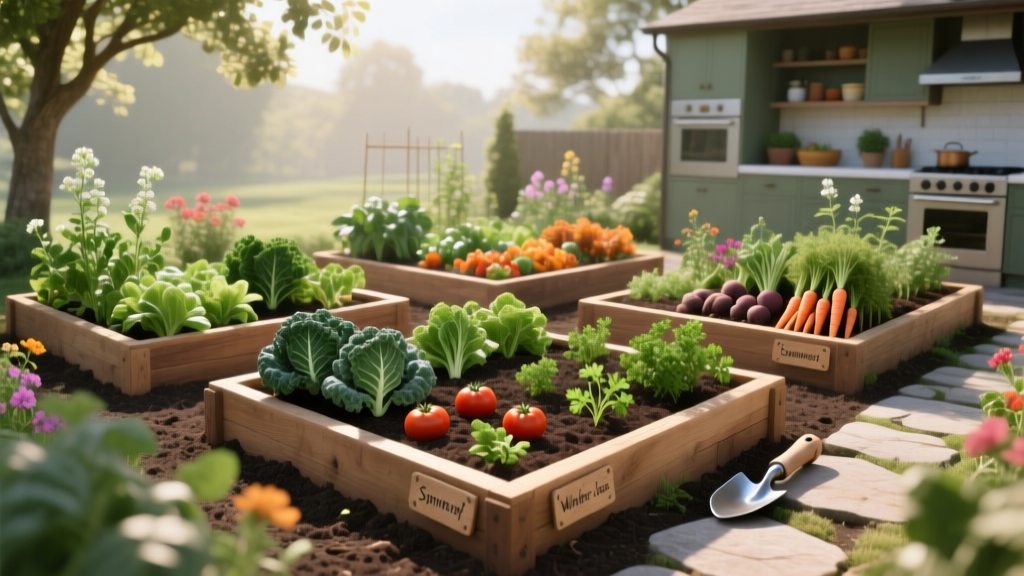
Designing a Productive Four-Season Kitchen Garden Layout
Robert HayesPublished
The Philosophy of the Potager: Merging Beauty and Bounty
The French kitchen garden, traditionally known as a potager, represents the ultimate intersection of horticultural utility and landscape design. Unlike conventional row-crop vegetable gardens that prioritize sheer caloric output, a kitchen garden is designed to be viewed, enjoyed, and harvested continuously throughout the year. Designing a productive four-season kitchen garden requires a thoughtful approach to spatial planning, hardscaping, crop rotation, and aesthetic integration. Whether you have a sprawling backyard or a modest urban lot, applying potager design principles will elevate your gardening experience from a seasonal chore to a year-round passion.
Site Selection and Spatial Planning
When selecting a site for your kitchen garden, sunlight is the most critical non-negotiable factor. Most edible crops, particularly fruiting vegetables like tomatoes and peppers, require a minimum of six to eight hours of direct sunlight daily. According to Penn State Extension, orienting your raised beds from north to south maximizes sun exposure and ensures that taller crops do not cast shadows on shorter, sun-loving plants. Additionally, consider the microclimate of your yard. Avoid low-lying areas where frost settles in the spring, and steer clear of the immediate drip line of large trees, whose roots will compete with your vegetables for water and nutrients.
Proximity to the kitchen is another defining feature of a true kitchen garden. The convenience of stepping out the back door to harvest fresh herbs or a quick salad green encourages daily maintenance and ensures you catch pest issues before they escalate. Ensure your chosen site has easy access to a water spigot; dragging hoses across the yard is a surefire way to diminish your gardening enthusiasm by mid-July.
Raised Bed Dimensions and Hardscaping
The physical layout of your garden should balance accessibility with geometric harmony. Raised beds are the cornerstone of modern kitchen garden design, offering superior drainage, faster soil warming in the spring, and a clean, structured aesthetic.
- Bed Width: Keep beds no wider than 4 feet. This allows you to reach the center from either side without stepping on and compacting the soil.
- Bed Length: 8 feet is standard, but you can adjust this to fit your space. Just ensure the overall design maintains symmetry.
- Bed Depth: A depth of 10 to 12 inches is sufficient for most crops, though root vegetables like carrots and parsnips may benefit from an 18-inch depth.
- Pathways: According to the University of Wisconsin-Madison Extension, pathways should be at least 2 feet wide for walking, but 3 feet is highly recommended to accommodate a wheelbarrow and allow for comfortable kneeling.
For hardscaping materials, untreated cedar or redwood are excellent choices due to their natural rot resistance, lasting 10 to 15 years. Composite lumber is a more expensive, low-maintenance alternative that will not warp or splinter. For pathways, consider a base of landscape fabric topped with pea gravel, crushed oyster shells, or wood chips to suppress weeds and provide a clean surface during muddy spring thaws.
Soil Preparation: The Hidden Engine
The soil in a kitchen garden must be rich, friable, and teeming with microbial life. Because you are planting intensively across multiple seasons, nutrient depletion is a real risk. A popular and highly effective soil recipe for raised beds is a variation of Mel Bartholomew's Square Foot Gardening mix: one-third blended compost, one-third peat moss or coconut coir, and one-third coarse vermiculite. This mixture provides excellent moisture retention while ensuring the drainage necessary to prevent root rot. Top-dress your beds with an inch of fresh compost at the start of every planting season to replenish organic matter.
Designing for Four-Season Harvests
A true four-season kitchen garden relies on succession planting and season extension techniques. According to the University of Minnesota Extension, utilizing tools like cold frames, row covers, and polytunnels can add weeks, or even months, to your growing season on both ends of the calendar year. Below is a strategic layout guide for maintaining continuous visual interest and harvests.
| Season | Primary Edibles | Aesthetic Companions | Design and Maintenance Focus |
|---|---|---|---|
| Spring | Peas, Radishes, Lettuce, Spinach | Pansies, Sweet Alyssum, Dill | Soil warming, trellis installation, frost protection |
| Summer | Tomatoes, Peppers, Zucchini, Beans | Marigolds, Zinnias, Basil, Nasturtiums | Vertical staking, deep watering, pest monitoring |
| Fall | Kale, Carrots, Beets, Garlic | Ornamental Cabbage, Chrysanthemums | Mulching, cover cropping, harvesting root cellars |
| Winter | Mache, Claytonia, Overwintering Onions | Evergreen topiaries, Hellebores (in borders) | Cold frame management, tool maintenance, planning |
Integrating Aesthetics: Flowers and Focal Points
What separates a kitchen garden from a standard farm plot is the deliberate integration of ornamental elements. Flowers are not just pretty; they are functional workhorses. Planting alyssum and yarrow attracts predatory wasps that decimate aphid populations, while borage is a magnet for native bees essential for pollinating your squash and cucumbers.
Vertical elements serve as the architectural bones of the garden. Install wooden obelisks, wrought-iron trellises, or arched cattle panels over your pathways. Training climbing crops like pole beans, indeterminate peas, and vining nasturtiums up these structures draws the eye upward, saves valuable ground space, and creates a lush, immersive environment. In the center of a four-bed layout, consider placing a focal point such as a birdbath, a large terracotta urn overflowing with trailing herbs, or a dwarf fruit tree.
Budgeting Your Kitchen Garden
Building a kitchen garden requires an upfront investment, but the long-term yields and landscape value make it a worthwhile endeavor. Below is an estimated budget for a modest, four-bed layout (approximately 128 square feet of growing space) using mid-range materials.
| Item / Material | Quantity | Estimated Cost | Notes |
|---|---|---|---|
| Untreated Cedar Lumber (2x10) | 16 boards (8 ft) | $180 - $240 | For four 4x8 ft raised beds |
| Galvanized Corner Brackets and Screws | 4 sets | $40 - $60 | Ensures structural longevity |
| Bulk Garden Soil and Compost Mix | 4 cubic yards | $150 - $250 | Delivery fees may apply |
| Pea Gravel and Landscape Fabric (Paths) | 2 tons / 4 rolls | $120 - $180 | For 3-foot wide pathways |
| Wooden Trellises and Obelisks | 4 units | $80 - $150 | For vertical growing and focal points |
| Total Estimated Startup Cost | - | $570 - $880 | Excludes seeds, plants, and hand tools |
Conclusion
Designing a four-season kitchen garden is an exercise in patience, planning, and creativity. By carefully selecting your site, investing in durable raised beds, and thoughtfully combining edible crops with ornamental companions, you create a dynamic landscape that feeds both the body and the soul. Start with a manageable footprint, observe how the light moves across your yard through the seasons, and allow your potager to evolve year after year into a deeply personal sanctuary of growth and harvest.
