Tree Care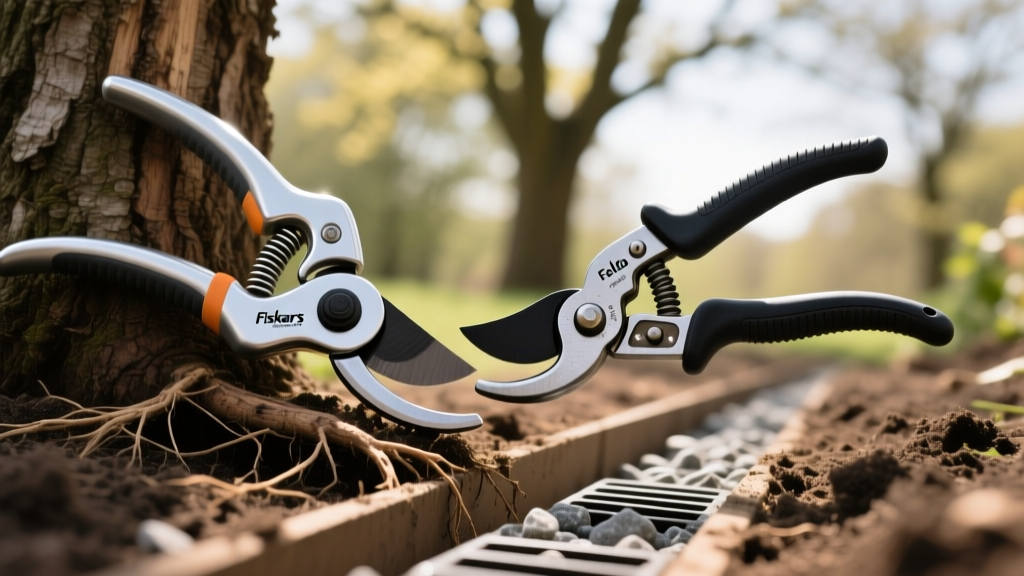
French Drain Root Pruning: Fiskars vs Felco Picks 2026
David ParkPublished
The Intersection of French Drain Installation and Tree Health
Installing a French drain is one of the most effective ways to resolve chronic yard flooding, soil saturation, and foundation water damage. By excavating a trench, laying a perforated pipe, and backfilling with washed gravel and geotextile fabric, you create a subterranean highway that whisks excess water away from your property. However, when your planned drainage route intersects with the critical root zone of established landscape trees, the project shifts from a simple landscaping task to a delicate arboricultural surgery. In 2026, homeowners and landscaping contractors must carefully navigate the balance between effective water management and preserving the structural integrity and biological health of mature trees.
When digging a trench for a French drain, encountering tree roots is practically inevitable. Roots naturally exhibit hydrotropism, meaning they actively grow toward sources of moisture and oxygen—exactly what a newly installed French drain bed provides. If roots are haphazardly chopped with dull tools or the wrong type of pruner, the resulting wounds can invite decay fungi, compromise the tree's stability, and eventually lead to catastrophic limb failure or tree death. To mitigate these risks, selecting the correct pruning tool is paramount. This brings us to a classic debate in the tree care and landscaping industry: bypass vs. anvil pruners, and specifically, how the 2026 lineups from Fiskars and Felco compare when tackling root encounters during French drain installation.
Bypass vs. Anvil Pruners: The Biology of the Cut
Before comparing brands, it is crucial to understand the mechanical differences between bypass and anvil pruners, and why this distinction matters immensely when pruning live tree roots.
The Anvil Pruner: A Crushing Blow
An anvil pruner features a single, straight, sharpened blade that closes down onto a flat, often softer metal or plastic surface (the anvil). This mechanism operates much like a kitchen knife striking a cutting board. While anvil pruners excel at cutting through dead, dry, and brittle wood because they require less physical force to crush through hardened fibers, they are absolutely detrimental to live tree roots. When an anvil blade strikes a live, water-filled root, it crushes the delicate cambium layer and vascular tissues (xylem and phloem) before severing them. According to the Penn State Extension, crushed bark and vascular tissue fail to compartmentalize properly, leaving the tree highly vulnerable to root rot pathogens that can travel up into the main trunk.
The Bypass Pruner: The Surgical Scissor
A bypass pruner operates like a pair of scissors. The sharpened blade passes closely by a curved, unsharpened counter-blade (the hook). This shearing action creates a remarkably clean, flush cut without crushing the surrounding tissue. For live roots encountered during French drain excavation, a bypass pruner is the only acceptable hand tool. A clean cut allows the tree's natural defense mechanisms—specifically the process of codit (Compartmentalization of Decay in Trees)—to seal off the wound efficiently, preventing soil-borne diseases from entering the root system while the tree adapts to the new drainage trench.
Fiskars vs. Felco: 2026 Brand Comparison for Root Work
With the bypass mechanism established as the mandatory choice for live root pruning, the next decision is choosing the right brand. Fiskars and Felco represent two distinct philosophies in tool manufacturing, and their 2026 product offerings reflect different approaches to ergonomics, durability, and price.
Fiskars: Mechanical Advantage and Accessibility
Fiskars has long been the go-to brand for homeowners and budget-conscious landscaping crews. In 2026, their flagship offering for heavy-duty pruning remains the PowerGear2 series, alongside their updated Expert Series bypass pruners. Fiskars utilizes a patented gear mechanism that multiplies cutting force, allowing users to slice through tough, fibrous roots with significantly less hand strain. The 2026 models feature advanced PTFE (polytetrafluoroethylene) blade coatings that resist sap buildup and soil friction—a massive benefit when working in the muddy, clay-heavy conditions typical of French drain excavation. Furthermore, Fiskars handles are often constructed from lightweight fiberglass or ergonomic SoftGrip materials, reducing fatigue during long days of trenching.
Felco: The Professional's Swiss Standard
Felco is the undisputed heavyweight champion of professional arborists and high-end landscapers. The Felco 2, a classic bypass pruner, remains a staple in 2026, prized for its high-carbon steel blades and entirely replaceable parts. When you are working inside a narrow French drain trench, maneuvering a bulky tool can be difficult; Felco's slim, forged aluminum handles provide exceptional agility. For thicker roots, the Felco 13 (a heavy-duty, two-handed bypass pruner/snips) offers unparalleled cutting precision. The primary advantage of Felco is longevity and field maintenance. If you nick the blade on a buried piece of gravel or a stone while excavating the drain bed, you can easily swap out the blade on a Felco tool in seconds using a standard screwdriver. Fiskars, while durable, are generally considered disposable once the blade is severely damaged or the internal gears wear out.
2026 Comparison Chart: Top Pruners for French Drain Root Encounters
To help you choose the right tool for your specific drainage project, here is a detailed comparison of the top bypass pruners available in 2026 for root cutting.
| Feature | Fiskars PowerGear2 Bypass | Felco 2 Classic Bypass | Felco 13 Heavy Duty |
|---|---|---|---|
| Best For | Homeowners, moderate root pruning | Professionals, precise clean cuts | Thick roots up to 1.2 inches |
| Max Cut Capacity | 0.75 inches (19mm) | 1 inch (25mm) | 1.2 inches (30mm) |
| Blade Material | Hardened steel w/ PTFE coat | Premium high-carbon steel | High-carbon steel |
| Handle Material | Fiberglass / SoftGrip | Forged Aluminum | Forged Aluminum (Ergonomic) |
| Replaceable Parts | Limited (Spring, Blade) | 100% Replaceable | 100% Replaceable |
| 2026 Avg. Price | $35 - $45 | $65 - $75 | $95 - $110 |
Best Practices for Cutting Roots During French Drain Installation
Having the right Felco or Fiskars bypass pruner is only half the battle. Proper technique during the French drain installation process is what ultimately saves the tree. The International Society of Arboriculture (ISA) strongly advises against indiscriminate root trenching. Follow these actionable steps when your shovel hits a root in the drain bed:
- Assess the Root Size: Never cut a structural root that is larger than 2 inches in diameter without consulting a Certified Arborist. Cutting major structural roots compromises the tree's anchorage, making it a severe hazard during high winds, especially since the newly dug French drain trench temporarily destabilizes the surrounding soil.
- Clean the Root Surface: Before making your cut, use a hand trowel or an air-spade to remove the soil and small stones from around the root. If you cut a root with a bypass pruner while dirt is pressed against the bark, the embedded silica and sand will instantly dull your Felco or Fiskars blade.
- Make a Clean, Angled Cut: Position your bypass pruner so that the flat side of the blade faces the trunk of the tree, and the beveled side faces the root section being removed. This ensures the cleanest possible cut flush against the remaining root, promoting faster callus growth.
- Protect the Cut from Drain Gravel: This is a critical step often missed by drainage contractors. The sharp, angular edges of washed drainage gravel used in French drains can abrade the freshly cut root wound, preventing it from sealing and introducing rot. Wrap the cut end of the root in a small piece of landscape fabric, or apply a layer of native topsoil directly against the cut face before backfilling the rest of the trench with your drainage rock.
- Install a Root Barrier: To prevent the tree's hydrotropic roots from aggressively growing into your new French drain gravel bed and clogging the perforated pipe in the future, install a rigid, high-density polyethylene (HDPE) root barrier along the tree-facing side of the trench. This forces the roots to deflect downward or away from the drain, preserving both your drainage system and the tree's health.
Maintaining Your Pruners in the Trench
French drain installation is a messy, wet, and abrasive job. To keep your tools functioning optimally throughout the 2026 landscaping season, maintenance is key. If you are using a Fiskars PowerGear2, wipe the PTFE-coated blade with a dry rag after every few cuts to prevent wet clay from gumming up the gear mechanism. If you are using a Felco 2 or Felco 13, carry a small bottle of food-grade lubricating oil and a wire brush in your tool pouch. After cutting roots, brush away the soil, apply a drop of oil to the pivot bolt, and wipe the blade clean. Because Felco blades are easily replaceable, many professionals keep a spare blade on their belt; if a hidden rock in the trench chips the edge, a 30-second swap gets you back to work without missing a beat.
Conclusion
Integrating a French drain into a landscape populated by mature trees requires a thoughtful, biologically sound approach. While anvil pruners have their place in deadwood removal, they have no business in a drainage trench where live roots are concerned. Investing in a high-quality bypass pruner is non-negotiable for protecting the vascular health of your trees. Whether you opt for the geared, budget-friendly leverage of the 2026 Fiskars PowerGear2 or the surgical, lifelong reliability of the Felco 2 and 13, prioritizing clean cuts, proper backfilling, and root barriers will ensure your yard stays dry and your trees remain vibrant for decades to come. For more complex root encounters, always defer to the guidelines set forth by the University of Minnesota Extension and consult local arboriculture professionals to safeguard your landscape's most valuable assets.
