Home & Garden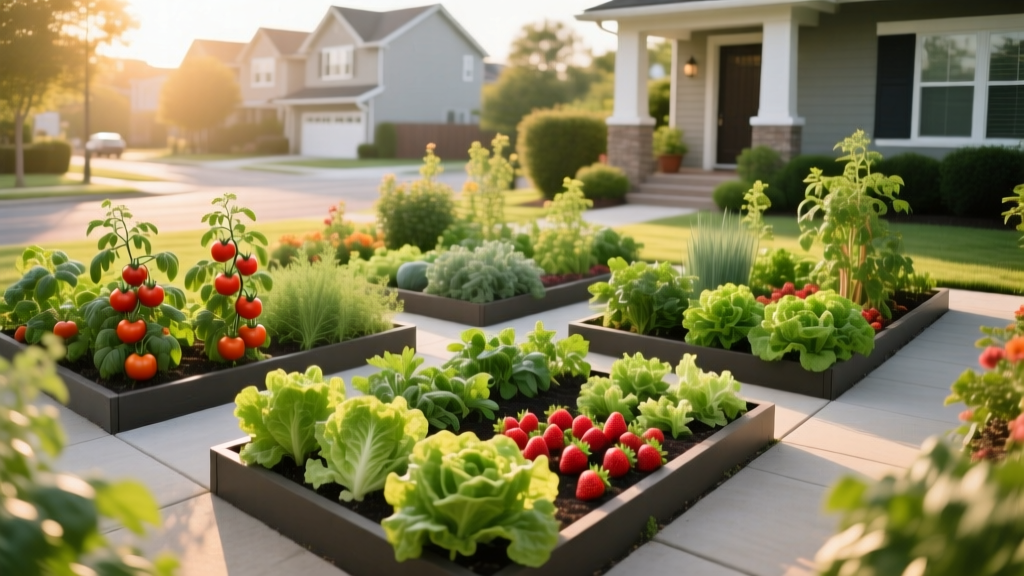
Front Yard Food Garden Zoning Regulations And Permits
Understanding Local Zoning Ordinances for Front Yard Food Gardens
Front yard food gardens—once considered unconventional—are increasingly embraced in municipalities across the United States, yet their legality hinges on nuanced local zoning codes. Unlike backyard plots, front yard gardens often fall under “landscaping” or “buffer zone” provisions rather than agricultural exemptions. In Portland, Oregon, for example, Ordinance No. 187435 permits edible plantings in front yards up to 50% of the total area, provided structures remain under 6 feet tall and setbacks from sidewalks are maintained at a minimum of 3 feet. Similarly, the City of Austin’s Land Development Code (Chapter 25-2-229) allows vegetable gardens in residential front yards without a permit—but prohibits raised beds exceeding 18 inches in height unless approved as an accessory structure.
Permit Requirements for Garden Structures
Garden structures—including trellises, cold frames, and tool sheds—trigger permitting thresholds that vary by jurisdiction. A freestanding pergola taller than 7 feet or wider than 120 square feet generally requires a building permit in Montgomery County, Maryland. Likewise, hoop houses over 100 square feet must comply with the International Building Code (IBC) Chapter 10, including wind-load calculations specific to ASCE 7-22 standards.
Commonly Exempt Structures
- Trellises under 6 feet tall and less than 10 feet wide
- Cold frames with no permanent foundation and under 24 inches in height
- Compost bins located at least 5 feet from property lines and under 4 feet tall
- Edible groundcovers installed within existing planting beds (e.g., creeping thyme, strawberries)
Structures Requiring Review
- Greenhouses attached to dwellings or exceeding 200 square feet
- Raised beds constructed with concrete block or treated lumber over 24 inches high
- Permanent irrigation systems with backflow prevention devices connected to municipal water supplies
Plant Selection Aligned With Hardiness and Bloom Timing
Selecting appropriate plants ensures both regulatory compliance and horticultural success. The USDA Plant Hardiness Zone Map (2023 update) identifies zones based on average annual extreme minimum temperatures. For instance, Chicago falls within Zone 6a (–10°F to –5°F), while Atlanta resides in Zone 8a (10°F to 15°F). These zones directly influence viable perennial vegetables and ornamental edibles.
Ornamental plants integrated into food gardens must balance aesthetics and function. Purple coneflower (Echinacea purpurea) blooms from June through September in Zones 3–9 and attracts pollinators essential for tomato and squash fruit set. Its soil pH preference ranges from 6.0 to 7.0—compatible with most vegetable crops. Conversely, blueberries require acidic soil (pH 4.5–5.5) and thrive only in Zones 3–7; they’re best sited separately unless amended with sulfur and mulched heavily with pine needles.
Soil pH and Nutrient Management Within Regulatory Constraints
Many municipalities restrict soil amendments that may leach into stormwater systems. Seattle’s Stormwater Code (SWM 16.12) prohibits application of synthetic fertilizers within 10 feet of impervious surfaces like driveways or sidewalks. Organic alternatives such as composted manure or alfalfa meal are encouraged but must be incorporated at least 2 inches below the surface to reduce runoff risk.
Testing soil pH is non-negotiable before planting. The Arnold Arboretum of Harvard University recommends testing every two years using calibrated meters or lab analysis. Their 2021 soil health survey of 127 Boston-area home gardens found that 68% of front-yard plots tested above pH 7.2—too alkaline for optimal iron uptake in leafy greens like Swiss chard and kale.
“Soil pH directly influences micronutrient availability—not just for ornamentals but for brassicas and legumes alike. A shift from pH 7.5 to 6.8 can increase boron solubility by over 40%, reducing hollow stem in broccoli.” — University of Minnesota Extension, 2022
Design Integration: Blending Edibles With Ornamental Standards
Front yard food gardens must satisfy aesthetic ordinances in many historic districts and planned communities. The National Capital Planning Commission’s guidelines for Washington, D.C. require that edible plantings maintain “visual continuity” with adjacent properties—meaning uniform spacing, consistent mulch color (brown or black only), and no visible plastic row covers during growing season.
Successful integration relies on layered planting strategies. At the Missouri Botanical Garden’s Kemper Center for Home Gardening, staff use three-tiered design: low-growing herbs (e.g., oregano, chives) at the street edge (under 12 inches), mid-height vegetables (peppers, bush beans) in the center, and vertical elements (pole beans, indeterminate tomatoes) along property lines. This satisfies both visibility regulations and spatial efficiency.
Soil composition also matters structurally. Raised beds filled with loam-based mixes (60% topsoil, 30% compost, 10% coarse sand) achieve optimal drainage while meeting the 12-inch minimum depth recommended by the American Horticultural Society for root development in carrots and parsnips.
Regional Compliance Resources and Verification Steps
Before breaking ground, gardeners should consult primary sources—not just third-party blogs. The Chicago Botanic Garden’s “Front Yard Farming Toolkit” (2023 edition) includes hyperlinked municipal code search functions and a checklist for verifying setback allowances, height limits, and permitted materials. Similarly, the Brooklyn Botanic Garden offers free quarterly workshops on NYC Zoning Resolution Article VII compliance, emphasizing Section 74-731’s allowance for “ornamental food-bearing shrubs” such as dwarf apple ‘Golden Sentinel’ (Zones 4–8) and rosemary (Zones 7–10).
Five critical data points to verify locally:
- Maximum allowable height for trellises: typically 6–8 feet depending on lot width
- Minimum sidewalk setback: ranges from 2 feet (Minneapolis) to 5 feet (Santa Fe)
- Soil amendment buffer distance from curb: 3 feet (Portland) vs. 10 feet (Seattle)
- Maximum percentage of front yard dedicated to edible crops: 30% (Boulder, CO) to 70% (Madison, WI)
- Required frost-free planting date window for permit-exempt seasonal crops: April 15–May 10 in Zone 6b
| Institution | Resource Name | Key Data Point | Year Updated |
|---|---|---|---|
| Arnold Arboretum of Harvard University | Urban Soil Health Initiative Report | 68% of sampled Boston front yards had pH > 7.2 | 2021 |
| University of Minnesota Extension | Soil pH and Micronutrient Availability Bulletin | pH shift from 7.5 to 6.8 increases boron solubility by 40% | 2022 |
The New York Botanical Garden’s Native Plant Garden demonstrates how native perennials like Asclepias tuberosa (bloom time: June–August, pH 5.5–7.0, Zone 3–9) support monarchs while complying with NYC’s “no invasive species” ordinance. Its companion planting with edible nasturtiums (Tropaeolum majus) provides pest deterrence without violating visual uniformity rules.
When selecting tomatoes, prioritize determinate varieties under 4 feet tall for front yard compliance—such as ‘Bush Early Girl’ (matures in 54 days, Zone 3–11) or ‘Patio Princess’ (height: 24–30 inches, pH 6.2–6.8). These meet height restrictions while delivering harvests from early July through September in most northern climates.
For gardeners in coastal California (Zones 9–10), the San Francisco Botanical Garden recommends interplanting artichokes (bloom time: April–June, pH 6.0–6.8) with lavender (Lavandula angustifolia, bloom time: May–July, pH 6.5–7.5) to satisfy both fragrance ordinances and pollinator habitat requirements.
Even seemingly minor details carry regulatory weight. Mulch depth in front yards is capped at 3 inches in Arlington County, Virginia, to prevent erosion onto sidewalks. And in Tucson, Arizona, drip irrigation emitters must be buried at least 4 inches deep to comply with water conservation mandates under Ordinance No. 11714.
Ultimately, successful front yard food gardening rests on precise alignment between horticultural science and municipal code—not improvisation. Cross-referencing your ZIP code with the USDA’s interactive hardiness map, then matching selections to local pH tolerances and bloom windows, transforms regulatory hurdles into design opportunities.