Tree Care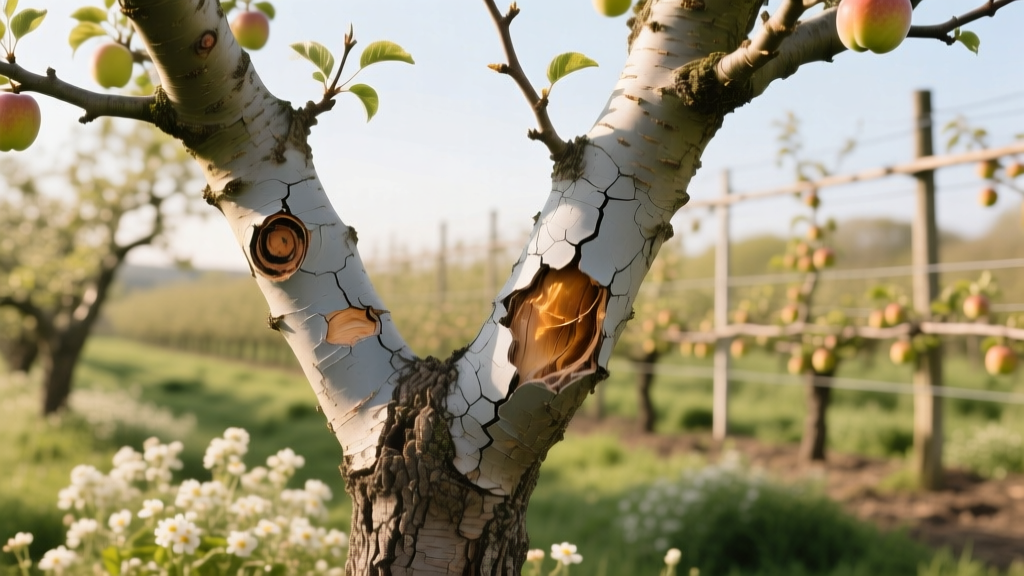
Tree Wound Dressing in 2026: Paint vs Natural Healing for Fruit Trees
James MillerPublished
The Great Pruning Sealer Debate in Edible Landscapes
As we navigate the 2026 growing season, edible landscaping and foodscaping have firmly transitioned from niche hobbies to mainstream landscape design. Homeowners are increasingly replacing sterile ornamental shrubs with high-yield fruit trees, nut-bearing natives, and edible perennials. Whether you are managing a compact urban food forest or a sprawling backyard orchard, pruning is an unavoidable and essential practice to maintain tree architecture, encourage airflow, and maximize fruit production. However, a lingering question remains for many new foodscapers: what should you do with the fresh pruning wounds? For decades, the standard advice handed down through generations was to slather the cut with a dark, sticky tree wound dressing or pruning paint. Today, modern arboriculture and pomology have completely overturned this outdated practice.
In the context of edible landscaping, the stakes are even higher. You are not just growing wood and leaves; you are cultivating food. The introduction of petroleum-based chemicals, asphalt emulsions, and synthetic sealants directly onto the open vascular tissue of a fruit tree raises significant concerns regarding chemical leaching, disease trapping, and overall tree vigor. Understanding the biological reality of how fruit trees respond to injury is critical for anyone looking to maintain a thriving, organic-friendly food forest in 2026.
Understanding CODIT: How Fruit Trees Actually Heal
To understand why pruning paint is largely considered obsolete by modern arborists, we must first understand how trees respond to damage. Unlike humans and animals, trees do not regenerate damaged tissue. When a branch is removed, the tree does not 'heal' the wound by growing new, identical bark and wood over the cut. Instead, it survives through a process known as the Compartmentalization of Decay in Trees (CODIT), a model pioneered by Dr. Alex Shigo.
When you make a pruning cut on an apple, pear, or peach tree, the tree immediately begins constructing chemical and physical 'walls' around the wound to isolate the damaged area and prevent the spread of decay into the healthy trunk. It forms four distinct walls: one above, one below, one to the sides, and a final barrier of new wood that grows over the wound from the outside edges, eventually forming a protective roll of tissue known as a 'callous.' Applying a thick layer of pruning paint over the fresh cut actively interferes with this natural process. Rather than protecting the tree, the paint often seals in moisture, creating a dark, anaerobic environment that is perfect for wood-decaying fungi and bacterial cankers to thrive.
Paint vs. Natural Healing: A 2026 Comparison
The horticultural market in 2026 still features various wound dressings, largely due to consumer habit and aesthetic preferences. However, university extensions and commercial orchardists overwhelmingly recommend natural callousing. Below is a comparison of the primary wound management strategies used in edible landscapes today.
| Strategy | Composition | Moisture Trap Risk | Chemical Leaching | 2026 Consensus for Edibles |
|---|---|---|---|---|
| Asphalt Pruning Paint | Petroleum distillates, asphalt emulsions | High | Moderate to High | Strongly Discouraged |
| Organic Wound Sealers | Beeswax, pine resin, plant oils | Moderate | Low | Use only for grafting, not pruning |
| Natural Callousing (Air) | None (exposed to ambient air and sunlight) | None | None | Highly Recommended Standard |
| Aloe Vera / Clay Slurries | Natural aloe, kaolin clay | Low | None | Acceptable niche permaculture alternative |
The Hidden Dangers of Pruning Paint on Edible Trees
When managing stone fruits like cherries, plums, and peaches (Prunus species), the use of pruning paint can be particularly disastrous. These species are highly susceptible to fungal diseases such as Cytospora canker and Silver leaf disease. According to research highlighted by Michigan State University Extension, applying a sealer over a pruning cut traps fungal spores that were already present on the bark or in the air at the time of the cut. The sealer prevents the wood from drying out, providing the exact damp, stagnant conditions these pathogens need to colonize the tree's vascular system.
Furthermore, from a foodscaping perspective, chemical contamination is a primary concern. Many commercial pruning paints contain volatile organic compounds (VOCs) and synthetic solvents. While the immediate uptake into the fruit may be negligible, repeated applications over the years can lead to a buildup of undesirable compounds in the immediate soil environment as the paint flakes off and degrades. For gardeners striving to maintain strict organic standards in their edible landscapes, introducing petroleum-based tars to the tree's open cambium layer is entirely counterproductive.
As noted by Penn State Extension, the only time a wound dressing might offer a marginal benefit is in preventing the transmission of specific, highly aggressive insect-vectored diseases, such as Oak Wilt. However, Oak Wilt primarily affects oak species, which are not standard fruit-bearing edibles. For your apple, fig, persimmon, and citrus trees, the risks of paint far outweigh any theoretical benefits.
Best Practices for Pruning Edible Trees in 2026
If you are abandoning pruning paint, you must adopt proper pruning techniques to ensure the tree can compartmentalize the wound efficiently on its own. The goal is to make a clean, precise cut that allows the tree to rapidly form a callous roll.
1. Invest in High-Quality Bypass Pruners
Never use anvil pruners or dull saws on live fruit tree branches, as they crush the vascular tissue and create jagged edges that are slow to callous. In 2026, professional-grade bypass pruners like the Felco 2 or Okatsune 103 remain the gold standard. For larger scaffold branches, use a sharp, curved pruning saw that cuts cleanly on the pull stroke.
2. Sterilize Between Trees
Disease transmission via pruning tools is a major vector for Fire Blight in apples and pears. Keep a spray bottle of 70% isopropyl alcohol on hand. Spray the blades and wipe them dry between every single tree. Avoid using a 10% bleach solution, as modern horticultural consensus warns that bleach rapidly corrodes the steel of high-end pruning tools and degrades the rubber grips.
3. Respect the Branch Collar
The most critical aspect of natural healing is the placement of the cut. Never make a 'flush cut' directly against the trunk, as this removes the branch collar—the swollen area at the base of the branch that contains the specialized cells required to initiate the CODIT response. Conversely, do not leave a long stub, which will simply die back and invite borers. Cut just outside the branch collar, leaving a smooth, angled surface that sheds water naturally.
Natural Alternatives and Wound Care for Food Forests
Rather than focusing on topical treatments for the wound itself, modern foodscaping emphasizes systemic tree health to accelerate natural callousing. A tree can only generate new cambial tissue if it has the energy and hydration to do so.
- Proper Mulching: Apply a 2-to-3-inch layer of coarse arborist wood chips around the drip line of the fruit tree to retain soil moisture and regulate temperature. Keep the mulch at least 4 inches away from the trunk to prevent collar rot and rodent damage.
- Mycorrhizal Inoculation: Healthy soil biology directly translates to rapid wound healing. Drenching the root zone with compost tea or applying granular mycorrhizal fungi in early spring helps the tree uptake the phosphorus and micronutrients necessary for cellular repair.
- Timing is Everything: For most deciduous fruit trees, the best time to prune is during the late dormant season, just before the spring bud break. The tree is about to push a massive wave of growth energy, which will immediately begin sealing the fresh cuts. Avoid heavy pruning in late summer or early fall, as the tree is entering dormancy and will leave the wounds exposed and vulnerable to winter frost damage.
When is Wound Dressing Ever Acceptable?
Are there any scenarios in edible landscaping where a dressing is appropriate? Yes, but strictly in the realm of propagation, not pruning. When grafting a new scion onto a rootstock—such as top-working an older apple tree or bench-grafting a rare pawpaw cultivar—the exposed cambium must be protected from desiccation (drying out). In these specific cases, using a natural grafting wax (like Trowbridge) or a biodegradable stretch tape (like Parafilm) is mandatory to keep the graft union moist until the two pieces fuse. However, once the graft has taken and you are making standard maintenance pruning cuts in subsequent years, the wax and tape should be left behind in favor of natural air exposure.
Conclusion
The 2026 consensus among arborists, university extensions, and commercial orchardists is clear: let nature do the work. The practice of painting tree wounds is a relic of the past that does more harm than good, especially in the sensitive ecosystem of an edible landscape. By making clean cuts at the proper angle, sterilizing your tools, and focusing on the overall soil and root health of your food forest, you empower your fruit trees to seal their own wounds efficiently. Embrace the natural callous as a badge of resilience in your garden, and enjoy the clean, chemical-free harvests that follow.
For more detailed guidelines on seasonal pruning schedules and structural training for young fruit trees, consult your local cooperative extension or refer to the comprehensive pruning resources provided by the University of Minnesota Extension.