Gardening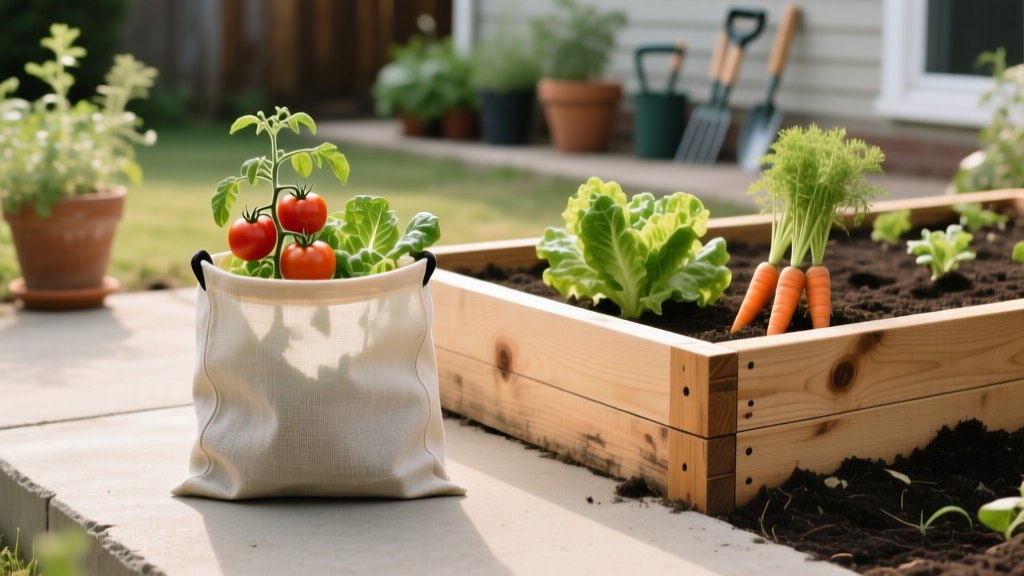
Fabric Grow Bags vs Cedar Raised Beds: Best Choice
David ParkPublished
The Great Garden Debate: Grow Bags vs. Cedar Raised Beds
When planning a productive vegetable garden, choosing the right growing environment is just as critical as selecting the right seeds. For modern home gardeners dealing with poor native soil, limited space, or physical mobility constraints, the decision usually comes down to two highly effective methods: fabric grow bags and cedar raised garden beds. Both offer excellent drainage, improved soil control, and higher yields compared to traditional in-ground rows. However, they differ vastly in cost, longevity, soil volume requirements, and overall maintenance.
In this comprehensive guide, we will break down the pros, cons, costs, and best use cases for fabric grow bags versus cedar raised beds. Whether you are growing deep-rooted tomatoes, sprawling squash, or delicate companion herbs, understanding the mechanics of each system will help you make the most profitable and practical choice for your garden.
Contender 1: Fabric Grow Bags
Fabric grow bags, often referred to generically by the popular brand name Smart Pots, are flexible containers made from breathable, heavy-duty geotextile fabric. They typically range in size from small 1-gallon pots for herbs to massive 100-gallon beds for dwarf fruit trees. The primary advantage of fabric is its porosity. Unlike rigid plastic or terracotta pots, the fabric allows air to penetrate the sides of the container, which fundamentally changes how the plant's root system develops.
Grow bags are incredibly lightweight, portable, and inexpensive. A standard 10-gallon grow bag costs between $3 and $6, making it an accessible entry point for new gardeners. They can be placed on patios, driveways, balconies, or directly on top of poor native soil. However, because they are porous, they dry out much faster than wooden beds and require a more disciplined watering schedule or the installation of a drip irrigation system.
Contender 2: Cedar Raised Garden Beds
Cedar raised beds are the gold standard for permanent garden installations. Cedar wood contains natural oils that make it highly resistant to rot, decay, and insect damage without the need for chemical treatments that could leach into your food supply. A standard 4-foot by 8-foot cedar bed provides 32 square feet of prime growing space, which is the foundational measurement for Square Foot Gardening methodologies.
While the initial investment is significantly higher than fabric bags, cedar beds offer a permanent, aesthetically pleasing structure that defines the landscape of your yard. They warm up faster in the spring than the surrounding ground, hold moisture better than fabric, and provide ample depth for deep-rooting crops like carrots, parsnips, and indeterminate tomatoes. The main drawbacks are the high upfront cost of materials and soil, as well as the physical labor required for assembly and filling.
Head-to-Head Comparison
1. Cost and Initial Setup
The financial barrier to entry is where these two options diverge most dramatically. A 4x8 foot cedar raised bed kit typically costs between $150 and $300 for the wood alone. Hardware, corner brackets, and optional trellis supports can add another $50. More importantly, you must fill that bed. A 4x8 bed that is 12 inches deep requires roughly 32 cubic feet of soil. High-quality organic raised bed soil can cost $10 to $15 per cubic foot, meaning the soil investment alone can exceed $300 to $400 per bed.
Conversely, a 10-gallon fabric grow bag costs about $5. To fill it, you need roughly 1.3 cubic feet of soil, which can be achieved with a single $15 bag of premium potting mix. For a budget-conscious gardener looking to start a patio tomato garden, grow bags are the undisputed champion of low-cost setup.
2. Drainage and Root Health (Air Pruning)
According to the Texas A&M AgriLife Extension, proper drainage and aeration are the most critical factors for container gardening success, as waterlogged roots quickly succumb to fungal diseases and rot. Fabric grow bags excel in this category. The breathable fabric ensures that excess water drains instantly, making it nearly impossible to overwater your plants.
Furthermore, fabric bags promote a phenomenon known as "air pruning." When a growing root reaches the edge of the fabric bag, it is exposed to the air. This exposure prunes the root tip, signaling the plant to produce a dense, fibrous network of lateral roots rather than a single, circling taproot that eventually girdles and chokes the plant. Cedar beds also offer excellent drainage, especially when built on top of native soil without a solid bottom, but they do not provide the 360-degree air pruning benefits of fabric.
3. Soil Temperature and Moisture Retention
Cedar wood acts as an insulator. In the heat of summer, the thick wooden walls protect the root zone from extreme temperature fluctuations, keeping the soil cooler and retaining moisture for longer periods. Fabric bags, on the other hand, are highly susceptible to ambient temperatures. In direct, scorching summer sunlight, the soil inside a black fabric grow bag can become dangerously hot, stressing the plant and requiring daily, sometimes twice-daily, watering.
4. Longevity and Durability
The Oregon State University Extension notes that cedar and redwood are the premier choices for raised bed construction due to their natural resistance to rot and insects. A well-built, untreated cedar raised bed will easily last 10 to 15 years, and sometimes up to 20 years, depending on your local climate and how often the wood stays wet.
Fabric grow bags are essentially consumable garden supplies. While high-quality, UV-treated geotextile bags can last 3 to 5 seasons, they will eventually degrade, fray, and tear. They are also prone to staining and can develop mold on the exterior if kept in damp, shady environments. If you want a permanent landscape feature, cedar is the only logical choice.
Side-by-Side Comparison Chart
| Feature | Fabric Grow Bags (10-Gallon) | Cedar Raised Bed (4x8 ft, 12" deep) |
|---|---|---|
| Initial Cost (Structure) | $4 - $8 | $150 - $300+ |
| Soil Volume Needed | ~1.3 cubic feet | ~32 cubic feet |
| Expected Lifespan | 3 to 5 seasons | 10 to 15+ years |
| Watering Frequency | High (Daily in summer) | Moderate (Every 2-3 days) |
| Root Health | Excellent (Air Pruning) | Good (Natural expansion) |
| Portability | High (Can be moved easily) | None (Permanent installation) |
| Best For | Patios, renters, isolating herbs | Large yards, deep roots, perennials |
Soil Requirements and Preparation
The soil you use in these two systems should differ slightly due to their structural differences. For fabric grow bags, you need a lightweight, highly aerated potting mix. Heavy garden soil or topsoil will compact in a bag, suffocating the roots. A classic recipe is one-third peat moss or coco coir, one-third coarse vermiculite, and one-third blended organic compost. This ensures the bag retains enough moisture to offset its high drainage rate while remaining fluffy enough for root penetration.
For cedar raised beds, you have more flexibility and can utilize bulk soil deliveries to save money. The Royal Horticultural Society (RHS) recommends a mix that mimics natural topsoil but with enhanced organic matter. A standard bulk recipe for a large cedar bed is 50% high-quality screened topsoil, 30% organic compost, and 20% coarse sand or pine bark fines for aeration. Because the bed is open to the earth below (assuming no weed barrier is blocking the bottom), earthworms and beneficial microbes will naturally integrate the soil layers over time.
Companion Planting Considerations
Companion planting—the practice of growing mutually beneficial plants near one another—plays out differently in bags versus beds. In a large cedar raised bed, you can implement classic companion planting guilds like the "Three Sisters" (corn, beans, and squash) or interplant marigolds and nasturtiums throughout your tomato rows to deter nematodes and attract pollinators. The sheer volume of soil allows for complex root interactions and shared mycorrhizal fungal networks.
Grow bags, however, are the ultimate tool for isolation companion planting. If you want to grow aggressive, invasive herbs like mint, lemon balm, or horseradish, planting them in a fabric grow bag prevents their rhizomes from escaping and taking over your main cedar beds. You can place the mint-filled grow bag directly next to your cabbage bed to deter pests, gaining the benefits of companion planting without the ecological risk of invasion.
Overwintering and Seasonal Maintenance
When the growing season ends, maintenance requirements diverge. Cedar beds require a winter preparation routine. You should pull dead plant matter, add a layer of fresh compost, and cover the soil with a layer of shredded leaves or a cover crop like winter rye to prevent soil erosion and nutrient leaching. The wood itself may benefit from an annual rub-down with raw linseed oil to preserve its color, though this is purely cosmetic.
Fabric grow bags offer a unique overwintering advantage: mobility. If you are growing marginal perennials, dwarf citrus trees, or rosemary in a cold climate, you can simply drag the grow bag into an unheated garage or basement before the first hard freeze. In the spring, empty the bags, wash them in a mild bleach solution to kill overwintering pathogens, and refill them with fresh amendments. This crop rotation and sanitation process is much easier to execute in bags than in massive, permanent wooden beds.
Final Verdict: Which Should You Choose?
There is no single "best" option; the right choice depends entirely on your living situation, budget, and gardening goals.
- Choose Fabric Grow Bags if: You are renting, gardening on a concrete patio or balcony, have a strict budget, want to grow invasive herbs, or need the flexibility to move your plants to chase the sun or avoid extreme weather.
- Choose Cedar Raised Beds if: You own your home, want a permanent and beautiful landscape feature, are growing deep-rooted or sprawling crops, want to minimize daily watering chores, and have the upfront capital to invest in quality wood and bulk soil.
Many experienced gardeners ultimately choose a hybrid approach. They install permanent cedar raised beds in the sunniest part of their yard for heavy feeders like tomatoes, peppers, and squash, while utilizing a fleet of fabric grow bags on the driveway for potatoes, garlic, and seasonal experimental crops. By leveraging the unique strengths of both systems, you can maximize your yield and create a highly resilient, productive home garden.
