
Landscaping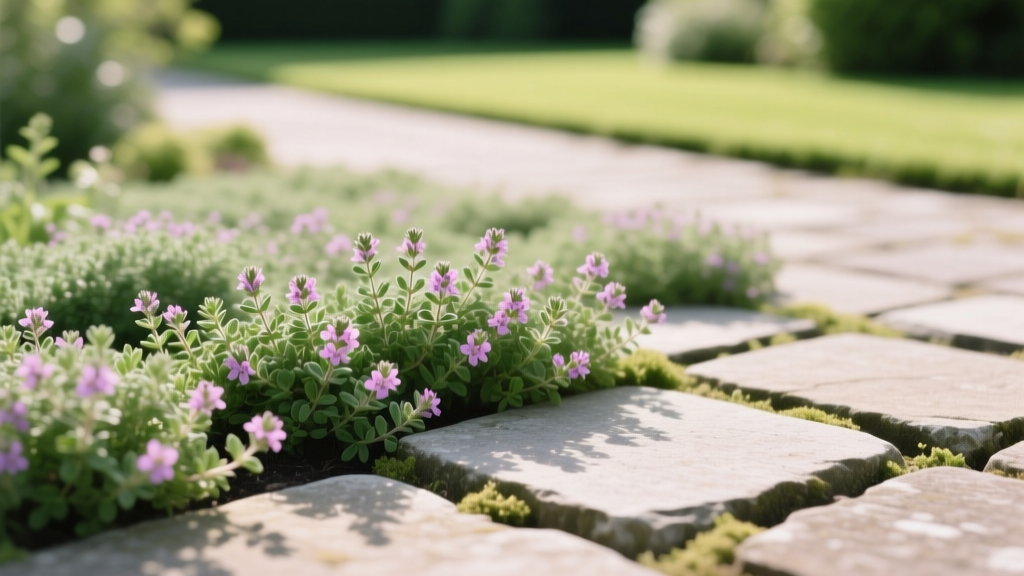
How to Grow Creeping Thyme Between Pavers: A Beginner Guide
Robert HayesPublished
Transforming Hardscapes with Creeping Thyme
When designing an outdoor living space or planning a new garden walkway, hardscaping elements like stone pavers provide essential structure and functionality. However, wide, empty joints between pavers can look unfinished and invite stubborn weeds. For beginners looking to elevate their landscape design without taking on high-maintenance horticulture projects, growing creeping thyme between pavers is the perfect solution. Creeping thyme (Thymus serpyllum and Thymus praecox) is a low-growing, drought-tolerant perennial that forms a dense, fragrant mat over time. This beginner-friendly growing guide will walk you through everything you need to know to successfully plant, establish, and maintain creeping thyme in your paver joints, turning a basic walkway into a lush, pollinator-friendly landscape feature.
Why Choose Creeping Thyme for Paver Joints?
Before breaking ground, it is helpful to understand why creeping thyme is widely considered the gold standard for hardscape joints. First, it is incredibly resilient. Once established, creeping thyme requires minimal supplemental watering, making it an excellent choice for sustainable landscaping and xeriscaping. Second, it acts as a living mulch. By filling the gaps between your stones, thyme naturally suppresses weed growth, saving you hours of tedious weeding with a hori-hori knife throughout the summer. Third, it tolerates light to moderate foot traffic. When stepped on, the tiny leaves release a pleasant, earthy fragrance that enhances the sensory experience of your garden. Finally, creeping thyme produces tiny pink, purple, or white flowers in early to mid-summer, providing a vital nectar source for bees and butterflies.
Top Creeping Thyme Varieties for Walkways
Not all thyme varieties are created equal when it comes to hardscaping. Some grow too tall, while others are too delicate for foot traffic. Below is a comparison chart of the best varieties for beginner gardeners to use between pavers.
| Variety Name | Mature Height | Flower Color | Foot Traffic Tolerance | Best Use Case |
|---|---|---|---|---|
| Elfin Thyme | 1 to 2 inches | Lavender | High | Tight joints, high-traffic paths |
| Woolly Thyme | 2 to 3 inches | Pink | Moderate | Wider joints, dry sunny borders |
| Red Creeping Thyme | 2 to 4 inches | Crimson | Moderate | Color contrast against grey stone |
| Lemon Thyme | 3 to 4 inches | Pale Pink | Low to Moderate | Culinary gardens, sensory paths |
Tools and Materials You Will Need
To ensure a successful planting day, gather your supplies in advance. Sourcing the right materials is critical for proper drainage, which is the number one factor in thyme survival.
- Thyme Plugs: Purchase flats of 72 plugs rather than seeds. Seeds are difficult to establish in narrow joints. A flat typically costs between $45 and $65.
- Coarse Landscaping Sand: Essential for improving drainage in heavy soils.
- Organic Compost: A high-quality bagged compost (such as Coast of Maine or Espoma) to provide slow-release nutrients.
- Starter Fertilizer: A granular organic starter fertilizer like Espoma Organic Bio-tone Starter Plus (4-3-3 NPK) to encourage rapid root development.
- Hand Tools: A narrow trowel, a hand fork, and a stiff-bristled brush for cleaning paver joints.
- Watering Can or Hose: Equipped with a gentle shower nozzle to avoid washing away the soil base.
Step-by-Step Planting Guide
Step 1: Timing and Joint Preparation
The optimal time to plant creeping thyme is in early spring after the last frost, or in early fall at least six weeks before the first expected freeze. This timing allows the root system to establish before extreme temperatures hit. Begin by preparing the paver joints. The gaps between your stones should be at least 2 inches wide and 2 to 3 inches deep. Use a stiff brush and a narrow weeding tool to remove all existing dirt, debris, and weed roots from the joints. If your pavers were recently laid on a bed of polymeric sand, you will need to scrape out the top 2 inches of sand in the joints to make room for the soil and plant roots.
Step 2: Mixing the Ideal Soil Base
Creeping thyme despises wet feet. If water pools in your paver joints after a rainstorm, the thyme will quickly succumb to root rot. You must create a custom, fast-draining soil mix. In a wheelbarrow or large bucket, mix 50% native soil (if it is loamy), 30% coarse landscaping sand, and 20% organic compost. If your native soil is heavy clay, skip it entirely and use a 60/40 mix of coarse sand and compost. Fill the cleaned paver joints with this mixture, leaving about 1 inch of space from the top of the paver. Tamp the soil down gently with your fingers or the handle of your trowel to eliminate large air pockets.
Step 3: Planting and Spacing
When planting from plug trays, gently squeeze the sides of the tray to loosen the root balls. Carefully extract the plugs, keeping the root mass intact. Place the plugs into the joints, spacing them 6 to 8 inches apart. While it may be tempting to plant them closer together for instant gratification, creeping thyme spreads laterally via small stolons and will fill in a 6-inch gap within one to two growing seasons. Ensure the crown of the plant (where the stems meet the roots) is sitting exactly at soil level. Burying the crown too deeply will cause it to rot. Once placed, sprinkle a half-teaspoon of your organic starter fertilizer around the base of each plug, being careful not to let the granules touch the foliage directly.
Step 4: Initial Watering and Settling
Immediately after planting, water the joints gently using a shower nozzle. The goal is to moisten the soil deeply without creating a runoff that washes the soil out of the joint. Over the next two weeks, check the joints daily. The soil should feel like a wrung-out sponge—moist, but never soggy. As the soil settles, you may notice it sinking below the plant crowns. Simply top-dress the joints with a thin layer of your sand-compost mix to keep the roots covered and insulated.
First-Year Maintenance and Watering Schedule
The first year is all about root establishment. During the first summer, you will need to water your creeping thyme once or twice a week, depending on rainfall. Provide about 1 inch of water per week. Always water in the early morning to allow the foliage to dry out during the day, which prevents fungal diseases like powdery mildew. Avoid overhead watering if possible; instead, use a watering wand to direct the flow at the soil level. Do not fertilize the thyme again during the first year. The initial compost and starter fertilizer provide more than enough nutrients. Over-fertilizing thyme leads to weak, leggy growth that is highly susceptible to pests and winter damage.
Common Beginner Mistakes to Avoid
Even with the best intentions, beginners often make a few critical errors when integrating groundcovers into hardscapes. Avoid these pitfalls to ensure your landscape thrives:
- Using Pre-Emergent Herbicides: Never apply chemical weed preventers like Preen near your newly planted thyme. These products inhibit root growth and will stunt or kill your new groundcover.
- Ignoring Drainage: If your patio has a negative slope that traps water against the house, the thyme will drown. Address grading and drainage issues before planting.
- Planting in Shade: Creeping thyme requires a minimum of six hours of direct, unfiltered sunlight daily. If your paver walkway is heavily shaded by mature trees or structures, opt for a shade-tolerant alternative like creeping mint or Irish moss (Sagina subulata).
Expert Insights and Authoritative Guidance
Proper soil management is the cornerstone of any successful landscaping project, particularly when dealing with Mediterranean herbs adapted to rocky, arid environments. According to the University of Minnesota Extension, ensuring adequate soil drainage is the single most important factor in growing perennial groundcovers like thyme. Their horticultural guidelines emphasize that heavy, poorly drained clay soils must be heavily amended with coarse sand or grit to mimic the plant's natural alpine habitat. The Extension notes that 'root rot pathogens thrive in anaerobic, waterlogged conditions, making soil structure modification far more critical than supplemental fertilization for long-term groundcover survival.' By prioritizing soil texture and drainage over rich organic matter, beginner gardeners can replicate the expert conditions required for creeping thyme to flourish between pavers for decades.

