
Landscaping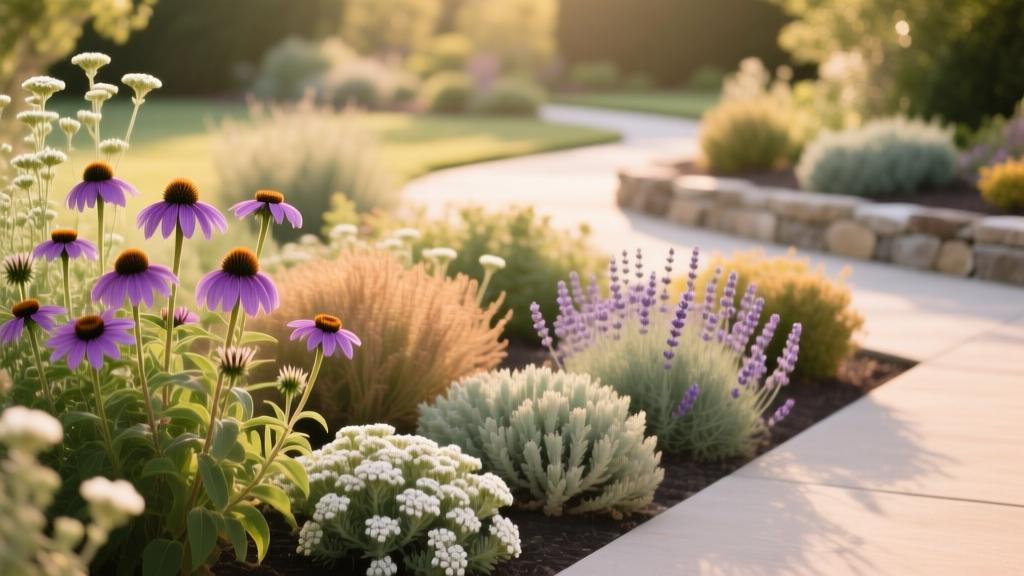
Beginner Guide to Growing Drought-Tolerant Perennials
Anna KowalskiPublished
Transform Your Landscape with Water-Wise Perennials
Landscaping your yard does not mean you have to become a slave to the garden hose. As water restrictions become more common and homeowners seek sustainable, eco-friendly yard solutions, drought-tolerant perennials have emerged as the ultimate landscaping hack. These resilient plants provide year-round structure, vibrant seasonal color, and essential habitat for local pollinators, all while drastically reducing your outdoor water usage and maintenance time.
For beginners, the idea of designing and planting a garden bed can feel overwhelming. However, by focusing on hardy, drought-adapted perennials, you set yourself up for success. Once established, these plants thrive on neglect, withstand harsh summer heat, and return reliably year after year. This comprehensive guide will walk you through selecting the right plants, preparing your soil, and executing a planting strategy that guarantees long-term curb appeal.
The Core Principles of Drought-Tolerant Landscaping
Drought-tolerant landscaping, often referred to as xeriscaping, is frequently misunderstood as a barren wasteland of rocks and cacti. In reality, it is a lush, strategic approach to garden design. The goal is to group plants with similar water and sunlight requirements together—a practice known as hydrozoning. This prevents overwatering drought-adapted species simply because they are planted next to thirsty, shallow-rooted annuals.
According to the Colorado State University Extension, "Xeriscape does not mean 'zero-scape' or a barren landscape of rock and cacti. It is a comprehensive approach to landscaping that conserves water through creative design, soil improvement, and appropriate plant selection." By following these university-backed principles, beginners can create vibrant landscapes that conserve thousands of gallons of water annually.
Top 5 Beginner-Friendly Drought-Tolerant Perennials
When starting your first water-wise garden bed, choose plants that are notoriously forgiving and resistant to common pests and diseases. Below is a comparison chart of five exceptional perennials that thrive in full sun and well-draining soil.
| Plant Name | Botanical Name | Mature Size | Bloom Time | Est. Cost (1-Gal) |
|---|---|---|---|---|
| Purple Coneflower | Echinacea purpurea | 2-4 ft tall | Summer to Fall | $8 - $12 |
| Russian Sage | Perovskia atriplicifolia | 3-5 ft tall | Mid-Summer to Fall | $12 - $18 |
| Black-Eyed Susan | Rudbeckia hirta | 2-3 ft tall | Summer | $6 - $10 |
| Sedum 'Autumn Joy' | Hylotelephium 'Herbstfreude' | 1.5-2 ft tall | Late Summer to Fall | $10 - $15 |
| Yarrow | Achillea millefolium | 2-3 ft tall | Early to Late Summer | $7 - $12 |
1. Purple Coneflower (Echinacea purpurea)
A staple in the North American landscape, the Purple Coneflower features a deep taproot that allows it to access moisture far below the soil surface. It is highly resistant to deer and rabbits. For beginners, the native straight species is often more resilient than highly bred hybrid cultivars. Leave the spent seed heads on the plant through winter to provide a crucial food source for goldfinches and add architectural interest to your snow-covered landscape.
2. Russian Sage (Perovskia atriplicifolia)
Russian Sage offers a beautiful, airy texture with its silvery-green foliage and spikes of lavender-blue flowers. It acts as a sub-shrub, meaning it develops a woody base. The most critical requirement for Russian Sage is exceptional drainage; it will quickly succumb to root rot if planted in heavy, waterlogged clay. Plant it on a slight slope or in a raised berm to ensure water moves away from its crown.
3. Black-Eyed Susan (Rudbeckia hirta)
Known for its cheerful, golden-yellow petals and dark brown centers, this short-lived perennial is a master of self-seeding. While the original mother plant may fade after a few years, it will generously drop seeds to replace itself, giving your landscape bed a naturalized, cottage-garden feel. It pairs beautifully with ornamental grasses like Little Bluestem or Switchgrass.
4. Sedum 'Autumn Joy' (Hylotelephium 'Herbstfreude')
Succulent perennials like Sedum store water in their thick, fleshy leaves, making them virtually immune to summer drought stress. 'Autumn Joy' offers four seasons of interest: pale green broccoli-like buds in spring, pink flowers in late summer, and deep rust-red seed heads in winter. Avoid fertilizing Sedum, as overly rich soil causes the stems to become weak and flop over.
5. Yarrow (Achillea millefolium)
Yarrow features delicate, fern-like foliage topped with flat, umbrella-shaped flower clusters that serve as perfect landing pads for butterflies. It spreads via underground rhizomes, making it an excellent choice for filling in large, bare landscape areas quickly. It is highly tolerant of poor, sandy soils and extreme heat.
Step-by-Step Site Preparation and Soil Amendment
The success of your drought-tolerant perennials hinges entirely on soil preparation. While these plants do not require rich, heavily fertilized soil, they absolutely demand proper drainage.
Testing Your Soil Drainage
Before buying a single plant, perform a simple percolation test. Dig a hole 12 inches deep and 12 inches wide in your proposed garden bed. Fill it with water and let it drain completely. Fill it a second time and measure how long it takes for the water level to drop. If it drains slower than 1 inch per hour, you have heavy clay soil that will drown drought-tolerant roots.
Amending Heavy Clay
To improve clay soil, avoid adding only peat moss or topsoil, which can create a "bathtub effect" that traps water. Instead, use a soil test kit (like the Luster Leaf Rapitest, roughly $15) to understand your baseline, then amend the entire bed. Spread a 2-inch layer of organic compost mixed with an inch of expanded shale or pumice over the planting area. Till or fork this mixture into the top 6 to 8 inches of native soil. This permanently improves soil aeration and drainage.
Planting Instructions: Getting It Right the First Time
Timing is crucial. The best time to plant perennials is in early fall or mid-spring when temperatures are mild and natural rainfall is more frequent. This allows the root system to establish before the stress of peak summer heat.
- Dig the Hole: Dig a hole twice as wide as the nursery pot, but no deeper. The crown of the plant (where the stems meet the roots) should sit exactly at or slightly above the surrounding soil grade to prevent crown rot.
- Tease the Roots: Gently remove the plant from its pot. If the roots are circling tightly, use a sterilized hori-hori knife to make three or four shallow, vertical slices down the sides of the root ball. This encourages roots to grow outward into the native soil.
- Backfill and Tamp: Fill the hole with the native soil you removed (avoid adding potting soil to the planting hole). Gently tamp the soil down with your hands to eliminate large air pockets.
- Water In: Immediately water the plant deeply using a slow trickle from a hose to settle the soil around the roots.
First-Year Watering and Mulching Schedule
A common beginner mistake is assuming "drought-tolerant" means "no water needed." While true for established plants, perennials require consistent moisture during their first growing season to develop deep root systems.
- Weeks 1-2: Water every other day, providing about 1 gallon per plant per session.
- Weeks 3-6: Reduce watering to twice a week, encouraging roots to stretch deeper for moisture.
- Months 2-6: Water deeply once a week, unless there has been significant rainfall (over 1 inch).
After watering, apply a 2 to 3-inch layer of shredded hardwood mulch over the bare soil. Mulch suppresses weeds, regulates soil temperature, and reduces surface evaporation. Crucial Rule: Keep the mulch at least 2 inches away from the base of the plant stems. Piling mulch against the crown (often called "volcano mulching") invites fungal diseases and rodent damage.
Long-Term Maintenance for Lasting Curb Appeal
By year two, your drought-tolerant perennial bed should be largely self-sufficient. Maintenance shifts from watering to seasonal grooming. In early spring, cut back the previous year's dead foliage to make way for new growth. Use a sharp pair of bypass pruners and cut Russian Sage and Sedum back to about 4-6 inches above the ground. If your soil is naturally poor, a single application of a slow-release, organic fertilizer like Espoma Organic Plant-tone in early spring is all the nutrition these resilient plants will need. By choosing the right plants and respecting their need for drainage, you will cultivate a stunning, sustainable landscape that saves water and elevates your home's exterior for decades to come.

