Gardening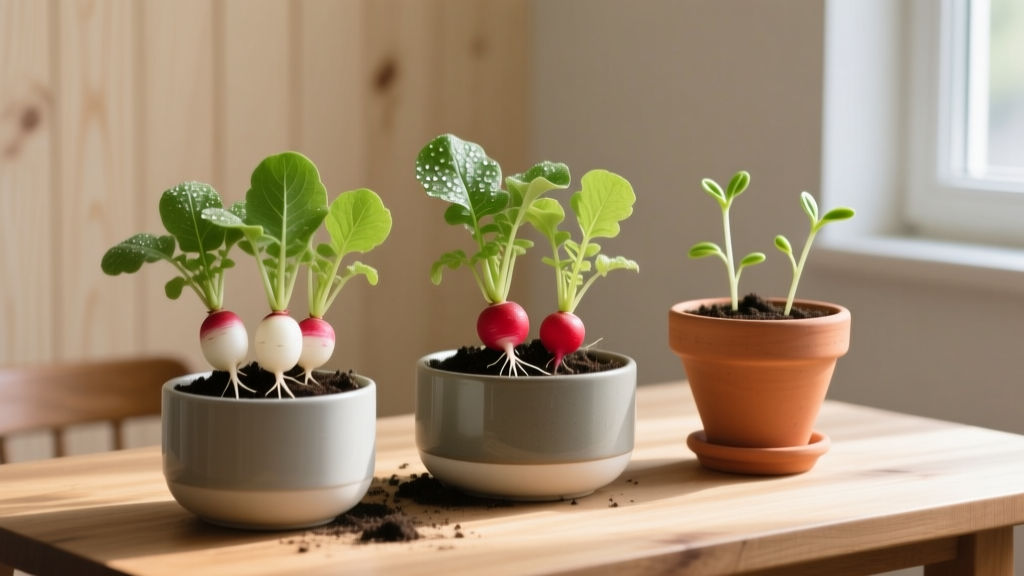
How to Grow Radishes in Containers: A Beginner Guide
Anna KowalskiPublished
Why Radishes are the Ultimate Beginner Crop
Welcome to the incredibly rewarding world of container gardening. If you are a beginner looking for a fast, reliable, and delicious crop to build your confidence, radishes (Raphanus sativus) are the undisputed champions of the garden. Unlike tomatoes or peppers that require months of nurturing, staking, and pruning, radishes go from seed to harvest in as little as 25 to 30 days. This rapid growth cycle makes them an ideal project for impatient gardeners, children, and anyone with a busy schedule who still wants to enjoy the fruits (or rather, roots) of their labor.
Growing radishes in containers offers a unique set of advantages. You can completely control the soil quality, easily move the pots to chase the sun or escape a late frost, and protect your crop from soil-borne diseases and digging pests. Whether you have a sprawling backyard or a modest apartment balcony, this guide will walk you through every step of cultivating crisp, peppery radishes in pots.
Choosing the Best Containers for Radishes
When it comes to container gardening, drainage and depth are your two most critical factors. Radishes are root vegetables, meaning the edible part of the plant grows downward into the soil. If your container is too shallow, the roots will hit the bottom and become stunted, deformed, or overly spicy.
For standard globe radishes, choose a container that is at least 6 to 8 inches deep. If you plan to grow longer varieties like Daikon or French Breakfast, you will need a pot that is at least 12 to 14 inches deep. Width is also important; a wider container allows you to grow more radishes in a single batch. A standard 12-inch diameter pot can comfortably hold about 12 to 15 radish plants. Ensure that every container you select has multiple drainage holes at the bottom. Radishes will quickly rot in waterlogged soil, so proper drainage is non-negotiable. Terracotta, plastic, and fabric grow bags all work exceptionally well, though fabric bags offer the added benefit of air-pruning the roots and preventing overwatering.
Top Radish Varieties for Container Gardening
Not all radishes are created equal. Some are perfectly suited for the confined space of a container, while others require deep garden beds. Here is a comparison chart of the best beginner-friendly radish varieties for pots:
| Variety | Days to Maturity | Shape and Color | Minimum Pot Depth |
|---|---|---|---|
| Cherry Belle | 22-28 days | Round, bright red | 6 inches |
| French Breakfast | 25-30 days | Oblong, red with white tip | 8 inches |
| Easter Egg Mix | 25-30 days | Round, multi-colored | 6 inches |
| Watermelon | 50-60 days | Round, green/white outside, pink inside | 10 inches |
| Daikon | 50-70 days | Long, white cylinder | 14+ inches |
For absolute beginners, the Cherry Belle and Easter Egg Mix are highly recommended. They are incredibly forgiving, mature rapidly, and provide a satisfying, crunchy harvest with a mild peppery bite.
The Perfect Potting Soil Mix
One of the most common mistakes beginners make is using garden soil or topsoil in their containers. Garden soil is too dense for pots; it compacts easily, restricts root growth, and fails to drain properly. According to the University of Minnesota Extension, radishes require loose, well-draining soil to develop perfectly round, unobstructed roots.
Instead, use a high-quality potting mix. You can buy a commercial organic potting soil, or you can mix your own custom blend. A fantastic, cost-effective DIY radish soil recipe includes: 60% high-quality peat-free potting soil or coco coir, 30% finished compost (to provide a gentle, slow-release source of nutrients), and 10% perlite or coarse sand (to guarantee drainage and keep the soil structure light and airy).
Avoid soils that are heavily amended with high-nitrogen fertilizers. Excess nitrogen will encourage the radish plant to grow massive, lush green tops at the expense of the root bulb. You want a balanced or slightly phosphorus-heavy mix to promote strong root development.
Step-by-Step Planting Guide
Radishes are almost exclusively grown from seed. Transplanting root vegetables disturbs their delicate taproots and usually results in forked or ruined bulbs. Fortunately, direct sowing radish seeds is incredibly easy.
- Fill the Container: Fill your pot with the prepared soil mix, leaving about an inch of space from the rim. Water the soil lightly before planting so it is evenly moist but not muddy.
- Sow the Seeds: Create shallow trenches about 1/2 inch deep. Drop seeds into the trench, aiming for one seed every inch. Cover the seeds lightly with soil and pat down gently to ensure good seed-to-soil contact.
- Water Gently: Use a watering can with a rose attachment or a gentle mist setting on your hose to water the top layer of soil without washing the tiny seeds away.
- The Crucial Thinning Step: As highlighted by the National Gardening Association, thinning is the most skipped but most vital step in radish cultivation. Once the seedlings are 2 inches tall, you must thin them so that each plant is spaced 2 to 3 inches apart. Snip the weaker seedlings at the soil line with scissors. If you skip this, your radishes will compete for space and fail to form bulbs.
Essential Care: Water, Sun, and Nutrients
Radishes are a cool-season crop. They thrive in temperatures between 50°F and 70°F (10°C to 21°C). Place your containers in a location that receives full sun, which means at least 6 to 8 hours of direct sunlight per day. If you are growing them in the heat of late spring or early summer, providing some afternoon shade can prevent the plants from bolting (going to seed prematurely).
Watering is where many beginners stumble. The Penn State Extension notes that inconsistent watering is the primary cause of woody, cracked, or overly pungent radishes. The soil must remain consistently moist, like a wrung-out sponge. If the soil dries out completely and is then heavily watered, the radish roots will rapidly absorb the water and split open. Check your containers daily; stick your finger an inch into the soil, and if it feels dry, it is time to water.
Because radishes grow so quickly, they rarely need supplemental fertilizer if you started with a compost-rich soil mix. If your plants look pale or stunted after three weeks, a light application of a balanced liquid organic fertilizer (like a 5-5-5 fish emulsion) diluted to half-strength can give them a gentle boost.
Succession Planting for Continuous Harvests
One of the greatest joys of growing radishes is their rapid turnaround, which makes them the perfect candidate for succession planting. Instead of planting all your seeds at once and ending up with 50 radishes ready on the exact same day, sow a new batch of seeds in a separate container (or a different section of a large trough) every 10 to 14 days. This staggered approach ensures you have a continuous, manageable supply of crisp radishes throughout the spring and fall seasons.
Troubleshooting Common Radish Problems
Even the easiest crops can face challenges. Here is how to handle the most common radish issues:
- All Tops, No Bulbs: This is usually caused by planting too closely (failure to thin), too much nitrogen in the soil, or planting in weather that is too hot. Ensure proper spacing and avoid high-nitrogen fertilizers.
- Flea Beetles: These tiny black insects chew dozens of small holes in the radish leaves. While they rarely kill the plant, they can stunt growth. Prevent them by covering your containers with lightweight floating row covers immediately after planting.
- Bolting: If the weather suddenly gets hot, radishes will send up a flower stalk and the root will become bitter and woody. Harvest immediately if you see a central stalk beginning to form.
- Cracked Roots: As mentioned, this is a watering issue. Maintain a strict, consistent watering schedule to keep the soil moisture levels even.
Harvesting and Storing Your Crop
Knowing exactly when to harvest is key to enjoying the best flavor. Do not wait for radishes to get massive; larger radishes tend to be pithy, hollow, and excessively hot. Check the seed packet for the expected days to maturity, and begin checking your crop a few days before that date.
Gently brush away the soil at the base of the green stems. If the top of the root is about the size of a large marble or a grape (roughly 1 inch in diameter for globe varieties), it is time to harvest. Grasp the plant firmly at the base of the greens and pull straight up.
Once harvested, immediately twist off the leafy greens. If left attached, the leaves will continue to draw moisture and nutrients out of the root, causing your radishes to become soft and rubbery within a day. The greens are entirely edible and delicious sautéed or added to salads, so do not throw them away! Wash the radish bulbs, dry them thoroughly, and store them in a perforated plastic bag in the crisper drawer of your refrigerator, where they will stay crisp for up to two weeks.
By following this beginner-friendly guide, you will transform your patio or balcony into a highly productive root vegetable factory. Container gardening removes the guesswork from soil preparation and pest management, allowing you to focus on the simple joy of watching your seeds sprout, grow, and ultimately end up on your dinner plate. Happy growing!
