
Landscaping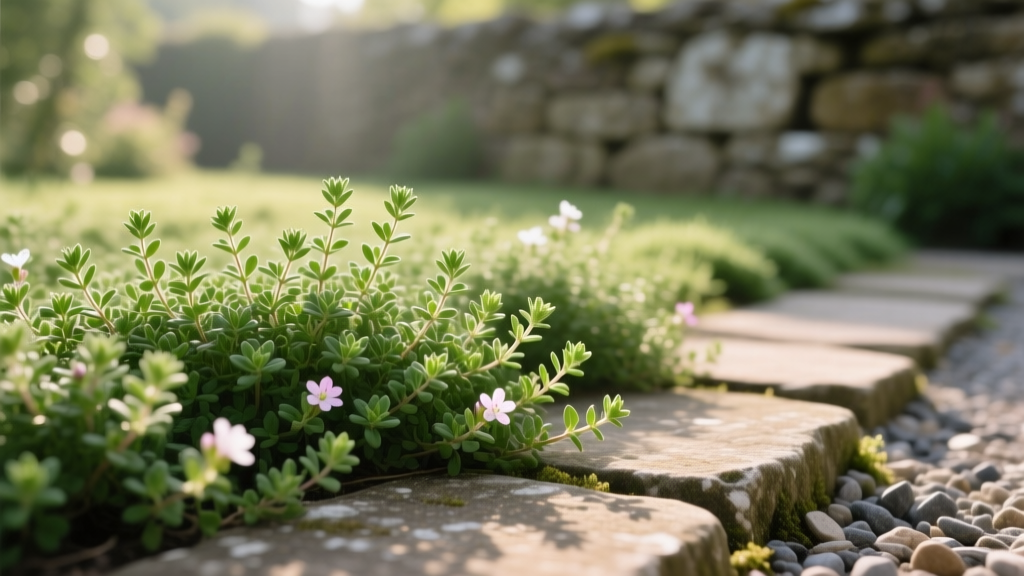
Beginner Guide To Growing Creeping Thyme Ground Cover
Mike RodriguezPublished
The Beginner's Guide to Growing Creeping Thyme Lawns
Landscaping trends are shifting away from high-maintenance, water-thirsty turfgrass toward sustainable, eco-friendly alternatives. For beginners looking to transform their yard without spending every weekend behind a lawnmower, creeping thyme (Thymus serpyllum and Thymus praecox) is an outstanding choice. This low-growing, perennial ground cover forms a dense, fragrant mat that thrives in full sun, requires minimal watering once established, and produces beautiful blooms that attract vital pollinators. Whether you are replacing a struggling patch of grass in a sunny front yard or designing a sustainable pathway border, this beginner-friendly growing guide will walk you through every step of planting and maintaining a creeping thyme landscape.
Top Creeping Thyme Varieties for Landscaping
Before you start digging, it is crucial to select the right variety for your specific landscape design. Not all thymes are created equal when it comes to foot traffic and spreading habits. Here are the top three varieties recommended for beginner ground cover projects:
- Red Creeping Thyme (Thymus praecox 'Coccineus'): Famous for its vibrant magenta-red flowers and aggressive spreading habit. It grows 2 to 3 inches tall and can handle light foot traffic, making it ideal for planting between stepping stones.
- Elfin Creeping Thyme (Thymus serpyllum 'Elfin'): One of the smallest and slowest-growing varieties, forming a tight, dense mat less than 2 inches high. It is perfect for meticulous landscape borders and rock gardens where you want precise control over the plant's spread.
- Woolly Thyme (Thymus pseudolanuginosus): Recognizable by its fuzzy, silver-gray foliage and pale pink flowers. It is exceptionally drought-tolerant and thrives in poor, rocky soils where traditional plants would fail.
Creeping Thyme vs. Traditional Turfgrass
Understanding the trade-offs between a living thyme lawn and traditional Kentucky Bluegrass or Fescue is essential for setting realistic landscaping expectations. Below is a structured comparison to help you decide if this ground cover fits your lifestyle and budget.
| Feature | Creeping Thyme Lawn | Traditional Turfgrass |
|---|---|---|
| Water Requirements | Low (Drought-tolerant once established) | High (Requires 1 to 1.5 inches weekly) |
| Mowing Frequency | Never | Weekly during growing season |
| Foot Traffic Tolerance | Light to Moderate | High (Ideal for sports and heavy play) |
| Weed Competition | High (Forms dense mat) | Moderate (Requires pre-emergents) |
| Establishment Cost | $1.50 - $3.00 per sq. ft. (plugs) | $0.15 - $0.50 per sq. ft. (seed) |
| Pollinator Benefits | Excellent (Attracts bees and butterflies) | None |
Step-by-Step Planting Guide for Beginners
1. Site Preparation and Turf Removal
Creeping thyme despises competition from aggressive weeds and existing turfgrass during its first year of establishment. You must clear the area completely. For small areas, use a flat-edged spade to remove the top 2 inches of sod. For larger landscaping projects, renting a motorized sod cutter (typically $70 to $90 per day from local hardware stores) will save you hours of backbreaking labor. Alternatively, you can use the sheet mulching method: cover the existing grass with overlapping layers of plain cardboard, wet it thoroughly, and top it with 3 inches of arborist wood chips. Wait eight to twelve weeks for the grass to decompose before planting. If you choose the chemical route to kill existing grass, apply a glyphosate-based herbicide, wait 14 days for the grass to die completely, and rake away the debris.
Thyme requires well-draining soil with a neutral to slightly alkaline pH (6.0 to 8.0). Test your soil using an at-home kit like the Luster Leaf Rapitest. If your soil is heavy clay or highly acidic, amend the top 6 inches with a 50/50 mix of native soil and a coarse drainage amendment like Perlite or Pumice. If your pH is below 6.0, apply Espoma Organic Garden Lime at a rate of 5 pounds per 100 square feet to sweeten the soil.
2. Sourcing and Planting Plugs
While you can grow thyme from seed, it is notoriously slow and uneven to germinate. For landscaping projects where immediate curb appeal and weed suppression are priorities, planting nursery plugs is the industry standard. A standard 72-cell plug tray of Red Creeping Thyme typically costs between $45 and $65 from specialty online growers or local nurseries.
Timing: Plant your plugs in early spring, about two to three weeks after your region's last expected frost date, or in early fall at least six weeks before the first freeze. This allows the root system to establish without the stress of peak summer heat.
Spacing: Dig holes slightly wider than the plug's root ball. Space the plugs 6 to 12 inches apart in a staggered, diamond-grid pattern. Closer spacing (6 inches) will yield a solid, continuous carpet in one growing season but requires buying more plants. Wider spacing (12 inches) is more budget-friendly but will take two full seasons to fill in completely, leaving room for weeds in the interim.
3. Watering and Mulching
Immediately after planting, water the area deeply using a gentle spray nozzle to avoid washing away the soil around the tiny roots. For the first four to six weeks, keep the soil consistently moist but not soggy, watering lightly every two to three days depending on rainfall. Once you see new lateral growth spreading outward, you can taper off to a deep watering once a week. To retain moisture and suppress weeds between the young plugs, apply a very thin layer (no more than half an inch) of fine gravel or crushed granite. Avoid heavy organic mulches like shredded bark, which trap too much moisture against the thyme's woody stems and invite crown rot.
Ongoing Maintenance and Troubleshooting
One of the most common mistakes beginners make is treating their thyme lawn like traditional grass. Never apply broadleaf weed killers such as Ortho GroundClear or Bonide Weed Beater Ultra. Because thyme is a broadleaf dicot, these selective herbicides will instantly kill your ground cover. Instead, rely on hand-pulling weeds during the first year while the thyme fills in.
Fertilization is rarely necessary. In fact, overly rich soil will cause the thyme to become leggy, floppy, and prone to splitting open in the center. If your plants look pale or stunted after their second year, a light top-dressing of compost or a single application of a gentle, organic fertilizer like Dr. Earth Organic All-Purpose Fertilizer in early spring is all that is required.
If your thyme develops brown, dead patches in the center of the mats, it is likely suffering from poor drainage or fungal issues caused by overhead watering in humid climates. Switch to drip irrigation and consider pruning the thyme back by one-third using garden shears in early spring to encourage fresh, dense growth from the base. During the fall, avoid using heavy leaf blowers directly on the thyme mats, as the sheer force can rip the shallow root systems out of the ground. Instead, gently rake fallen leaves with a flexible lawn rake or use a blower on its lowest setting.
Expert Insights on Sustainable Landscaping
Transitioning to a living ground cover is more than just a landscaping trend; it is a vital step toward ecological conservation. According to the University of California Agriculture and Natural Resources (UC ANR), replacing traditional turf with low-water groundcovers like creeping thyme can reduce residential outdoor water usage by up to 50 percent. Furthermore, UC ANR highlights that flowering groundcovers provide essential foraging habitats for native bees and beneficial predatory insects, naturally reducing pest populations in your broader garden ecosystem.
“Drought-tolerant groundcovers such as Thymus species not only stabilize soil and reduce erosion on slopes, but they also eliminate the carbon emissions associated with weekly mowing and the chemical runoff from synthetic turf fertilizers.” — University of California Statewide Integrated Pest Management Program (UC IPM)
By following this beginner-friendly guide, you can confidently install a creeping thyme lawn that saves you time, lowers your water bill, and transforms your landscape into a vibrant, pollinator-friendly sanctuary. Whether you are tackling a small courtyard or a sprawling suburban front yard, the initial effort of soil preparation and plug planting pays dividends for years to come. Enjoy your new, fragrant, and sustainable outdoor living space.

