
Landscaping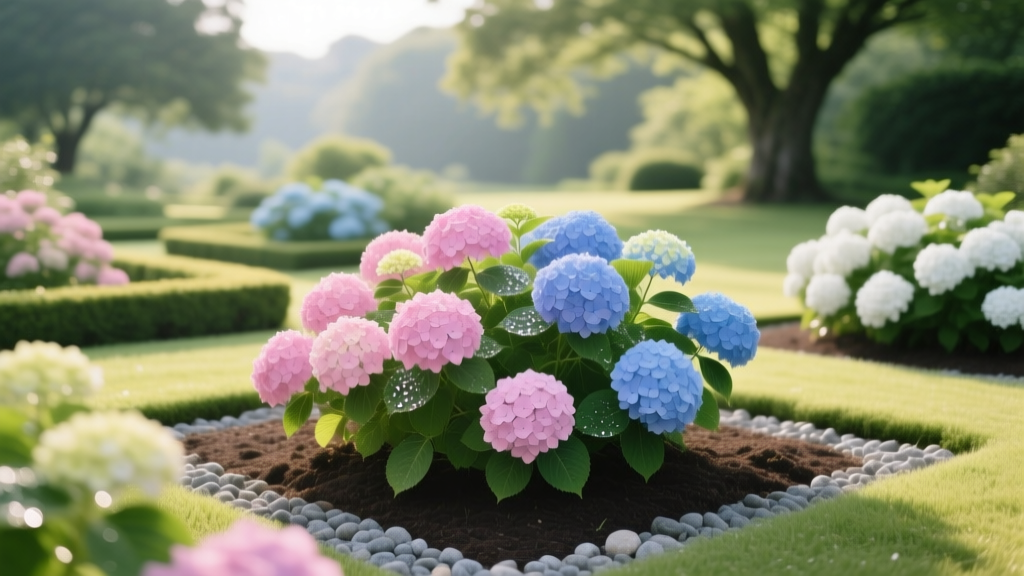
Beginner's Guide to Growing Hydrangeas in Landscape Beds
Lisa ThompsonPublished
Why Hydrangeas Are the Ultimate Beginner Landscaping Shrub
When it comes to transforming a bland yard into a lush, vibrant outdoor living space, few plants offer the immediate impact and long-term reliability of hydrangeas. For beginner gardeners and DIY landscapers, hydrangeas are a dream plant. They are relatively forgiving, boast massive and colorful bloom clusters, and can thrive in those tricky shady spots where turfgrass and other sun-loving perennials refuse to grow. Whether you are looking to create a privacy screen, line a walkway, or build a foundational garden bed around your home, understanding how to properly grow and maintain hydrangeas is a crucial landscaping skill.
In this beginner-friendly growing guide, we will walk you through everything you need to know about selecting, planting, and caring for hydrangeas in your landscape beds. We will cover specific product recommendations, exact measurements for planting, and the golden rules of pruning so you can enjoy massive blooms year after year.
Choosing the Right Hydrangea for Your Yard
The most common mistake beginners make is buying a hydrangea based solely on the color of its flowers in the garden center, without considering how it will perform in their specific landscape. There are four primary types of hydrangeas used in residential landscaping, and each has distinct sunlight, water, and pruning requirements.
| Hydrangea Type | Popular Cultivars | Sunlight Needs | Bloom Time | Pruning Time |
|---|---|---|---|---|
| Bigleaf (Hydrangea macrophylla) | 'Endless Summer', 'Nikko Blue' | Part Shade (Morning Sun) | Early to Mid-Summer | Immediately after flowering (Old Wood) |
| Panicle (Hydrangea paniculata) | 'Limelight', 'Strawberry Vanilla' | Full Sun to Part Shade | Mid-Summer to Fall | Late Winter / Early Spring (New Wood) |
| Smooth (Hydrangea arborescens) | 'Annabelle', 'Incrediball' | Part Shade to Full Shade | Early Summer to Fall | Late Winter / Early Spring (New Wood) |
| Oakleaf (Hydrangea quercifolia) | 'Alice', 'Ruby Slippers' | Part Shade (Tolerates Drought) | Early Summer | Immediately after flowering (Old Wood) |
For absolute beginners, Panicle and Smooth hydrangeas are the most forgiving. They bloom on 'new wood' (the current season's growth), meaning that even if you accidentally prune them at the wrong time, or if a harsh late frost kills the spring buds, they will still produce flowers in late summer. Bigleaf and Oakleaf hydrangeas bloom on 'old wood' (last year's growth) and require more strategic pruning.
Site Selection: Sunlight and Soil Requirements
Hydrangeas are famous for thriving in partial shade, but 'partial shade' can mean different things depending on your climate. In cooler northern zones (Zones 3-6), hydrangeas can handle and often prefer more direct sunlight—up to 6 hours a day. In hotter southern zones (Zones 7-9), the intense afternoon sun will scorch the leaves and cause the blooms to crisp. Aim for a spot that receives bright, direct morning sun and dappled or full shade in the hot afternoon.
Testing and Amending Your Soil
Hydrangeas prefer rich, well-draining soil that retains moisture without becoming waterlogged. Before planting, it is highly recommended to perform a soil test. You can purchase a basic DIY soil test kit at any garden center for about $15 to $20, or send a sample to your local university extension office for a more comprehensive analysis.
- Soil pH and Flower Color: For Bigleaf hydrangeas, soil pH dictates flower color. A pH below 6.0 (acidic) yields blue or purple flowers, while a pH above 7.0 (alkaline) yields pink flowers. To lower pH and encourage blue blooms, apply a soil acidifier containing sulfur or aluminum sulfate. To raise pH for pink blooms, apply pelletized garden lime.
- Drainage: If your landscape bed has heavy clay soil, amend it with organic compost or pine bark fines to improve drainage and prevent root rot.
Step-by-Step Planting Instructions
Timing is everything. The best time to plant hydrangeas is in the early fall or late spring, avoiding the peak heat of summer and the freezing temperatures of winter. Expect to pay between $25 and $50 for a healthy 2-gallon nursery shrub.
- Dig the Hole: Dig a hole that is two to three times as wide as the nursery pot, but no deeper than the root ball itself. Planting too deep is a primary cause of shrub death in landscaping.
- Loosen the Roots: Gently remove the hydrangea from its pot. If the roots are circling tightly, use your hands or a sterilized trowel to gently tease them outward. This encourages the roots to spread into the surrounding landscape bed.
- Position and Backfill: Place the shrub in the hole so the top of the root ball is level with or slightly above the surrounding soil grade. Backfill with the native soil you dug out, mixing in one part organic compost to every two parts native soil.
- Water Deeply: Use a garden hose to slowly water the base of the plant, allowing the soil to settle and eliminating air pockets.
- Apply Mulch: Apply a 2 to 3-inch layer of organic mulch (like shredded hardwood or pine straw) over the root zone. Keep the mulch at least 3 inches away from the main stem to prevent rot and deter rodents.
Ongoing Care: Watering and Fertilizing
Hydrangeas are notoriously thirsty plants, especially during their first two years in the ground as they establish their root systems. They require about 1 to 1.5 inches of water per week. The best way to deliver this is through a soaker hose or drip irrigation system, which keeps the foliage dry and prevents fungal diseases like powdery mildew.
For fertilizing, less is often more. Over-fertilizing with high-nitrogen synthetic products will result in massive, lush green leaves but very few flowers. Instead, use a slow-release, organic fertilizer formulated for acid-loving plants. Espoma Holly-tone (4-3-4) is an industry favorite among landscapers. Apply it in early spring just as the leaf buds begin to break, following the package measurements (typically one cup per foot of branch spread). Scratch it lightly into the top inch of soil and water it in thoroughly.
Pruning Demystified: Old Wood vs. New Wood
Pruning is where most beginner landscapers accidentally ruin their hydrangeas. If you cut off the flower buds, you will be left with a beautiful green bush and zero blooms. To avoid this, you must know whether your shrub blooms on old wood or new wood.
Pruning Old Wood (Bigleaf and Oakleaf)
These varieties set their flower buds in late summer or early fall for the following year. If you prune them in the winter or early spring, you are cutting off the blooms. Only prune these varieties immediately after they finish flowering in the late summer. Simply snip off the spent flower heads (deadheading) and remove any dead, damaged, or crossing branches.
Pruning New Wood (Panicle and Smooth)
These varieties set their flower buds in the spring on brand-new growth. You can safely prune them in late winter or early spring while they are still dormant. Many landscapers cut Smooth hydrangeas like 'Annabelle' back to about 12 inches from the ground to encourage thicker, stronger stems that can support their massive, heavy white bloom clusters without flopping over.
Troubleshooting Common Landscape Issues
- Midday Wilting: Hydrangeas often wilt in the hot afternoon sun to conserve moisture, even if the soil is moist. Check the soil moisture before watering. If the soil is wet, wait until evening; the plant will usually perk back up on its own.
- Yellowing Leaves: If the leaves are turning yellow but the veins remain green, your plant likely has chlorosis, an iron deficiency often caused by high soil pH. Treat with a liquid chelated iron spray or adjust your soil pH.
- Pest Control: Japanese beetles and aphids can occasionally bother hydrangeas. For a beginner-friendly, organic solution, spray the affected foliage with Neem oil or an insecticidal soap in the early evening when pollinators are not active.
According to the Clemson University Home & Garden Information Center (HGIC), 'Proper site selection is the most critical factor in growing healthy hydrangeas. Ensuring adequate soil moisture and protection from harsh afternoon sun will drastically reduce plant stress and susceptibility to pests and diseases.' By following these foundational landscaping principles, even novice gardeners can cultivate spectacular hydrangea beds that elevate their home's curb appeal.
By understanding the specific needs of your chosen hydrangea variety and following these actionable landscaping steps, you will be well on your way to mastering one of the most rewarding shrubs in the gardening world. Take your time with site selection, respect the pruning rules, and enjoy the stunning seasonal displays your new landscape beds will provide.

