Tree Care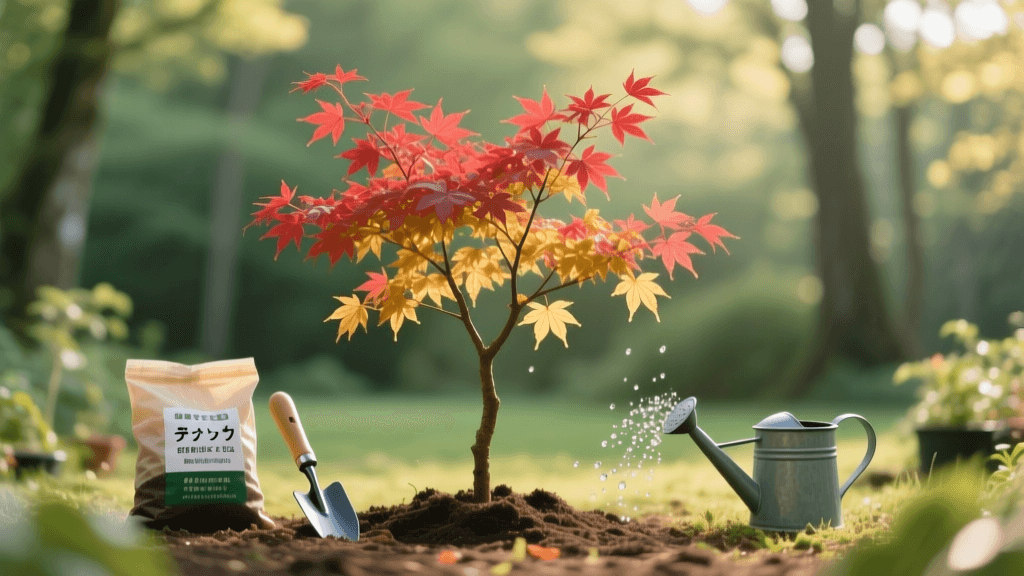
How to Plant and Grow Japanese Maple Trees: A Beginner Guide
Why Choose a Japanese Maple?
Japanese maples (Acer palmatum) are widely considered the crown jewels of the ornamental landscape. For beginner gardeners, they offer a high-impact visual reward with relatively low maintenance requirements once established. Known for their delicate, deeply lobed leaves and spectacular fall color, these trees can serve as striking focal points in any yard. Whether you are looking to add a splash of crimson to your garden border or a cascading weeping variety near a water feature, Japanese maples provide year-round architectural interest. In this comprehensive beginner-friendly guide, we will walk you through everything you need to know about selecting, planting, and nurturing a Japanese maple so it thrives for decades.
Choosing the Right Variety for Your Yard
Before you head to the nursery, it is crucial to understand that 'Japanese maple' is a broad term encompassing hundreds of cultivars. They generally fall into two main growth habits: upright and weeping (laceleaf). Selecting the right type will save you from future pruning headaches and ensure the tree fits its designated space.
| Characteristic | Upright Varieties (e.g., Bloodgood, Emperor I) | Weeping / Laceleaf Varieties (e.g., Crimson Queen, Inaba Shidare) |
|---|---|---|
| Mature Height | 15 to 25 feet | 6 to 10 feet |
| Mature Width | 15 to 20 feet | 8 to 12 feet |
| Leaf Shape | Broad, palmate lobes | Finely dissected, thread-like lobes |
| Growth Rate | Moderate (1 to 2 feet per year) | Slow (less than 1 foot per year) |
| Estimated Nursery Cost | $90 - $180 (5-gallon) | $120 - $250 (5-gallon) |
| Best Landscape Use | Shade tree, privacy screen, woodland garden | Accent plant, rock garden, near ponds |
Site Selection: Sunlight and Soil Requirements
Proper placement is the most critical factor in growing healthy Japanese maples. According to the University of Minnesota Extension, these trees are highly susceptible to leaf scorch if exposed to harsh, late-afternoon summer sun. Ideally, your planting site should receive morning sun and dappled or full afternoon shade. Red-leafed cultivars need some sunlight to maintain their vibrant pigmentation, while green-leafed and variegated varieties tolerate and even prefer deeper shade.
Soil drainage is equally important. Japanese maples despise 'wet feet' and will quickly succumb to root rot in heavy, waterlogged clay. They thrive in slightly acidic, loamy, and well-draining soil with a pH between 5.5 and 6.5. If your native soil is heavy clay, you will need to amend it or consider planting the tree slightly above grade to improve drainage.
Step-by-Step Planting Guide
Timing is everything. The best time to plant a Japanese maple is in early fall, which allows the root system to establish before the heat of the following summer. Spring planting is also acceptable, provided you wait until after the last frost and commit to a strict watering schedule. Follow these actionable steps to ensure a successful planting:
1. Digging the Perfect Hole
As recommended by the Cornell University Urban Horticulture Institute, the planting hole should be two to three times as wide as the root ball, but no deeper. Digging a hole that is too deep can cause the tree to sink over time, burying the root flare and inviting trunk rot. Measure the height of the root ball from the bottom to the top of the root flare (the point where the trunk widens at the base). Your hole should be exactly that depth.
2. Preparing the Soil and Root Ball
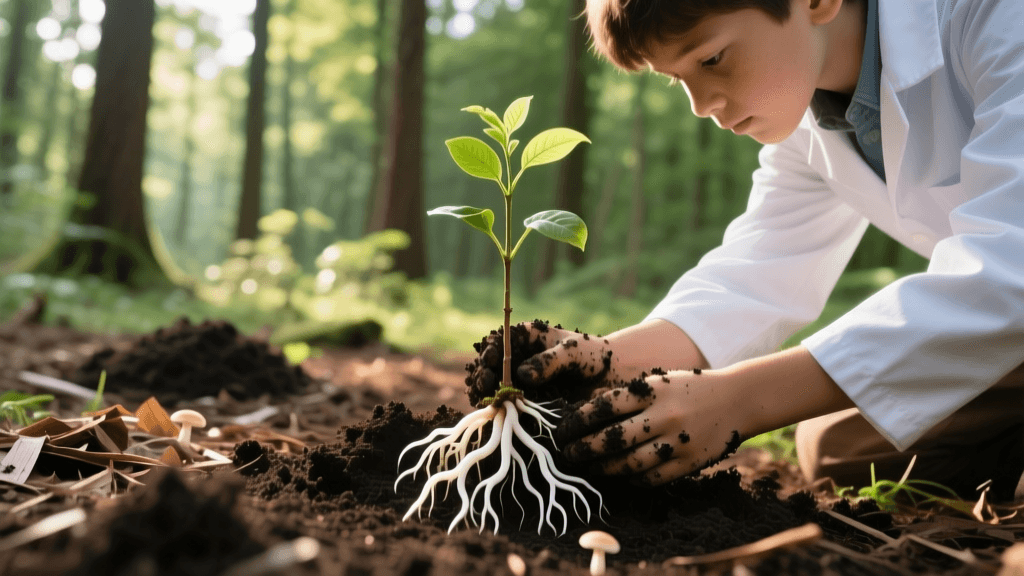
Gently remove the tree from its nursery container. If the roots are circling the bottom of the pot, use a sterilized hand pruner to make three or four vertical slices along the sides of the root ball. This encourages outward root growth rather than girdling. While backfilling, use a mix of 70% native soil and 30% organic compost. You can also incorporate a slow-release, mycorrhizal-enhanced fertilizer like Espoma Bio-tone Starter Plus (approx. $12 per 4 lb bag) to stimulate root development.
3. Placing and Backfilling
Set the tree in the center of the hole, ensuring the root flare sits one to two inches above the surrounding soil grade. This accounts for natural settling. Backfill the hole gently, tamping down the soil with your hands to eliminate large air pockets. Water the tree deeply immediately after planting to settle the soil around the roots.
Watering, Mulching, and Ongoing Care
During the first two growing seasons, your Japanese maple relies entirely on you for moisture. Water deeply two to three times a week during the summer, providing about 10 to 15 gallons per session. Use a slow trickle from a garden hose for 30 to 45 minutes to ensure the water penetrates deep into the root zone rather than running off the surface.
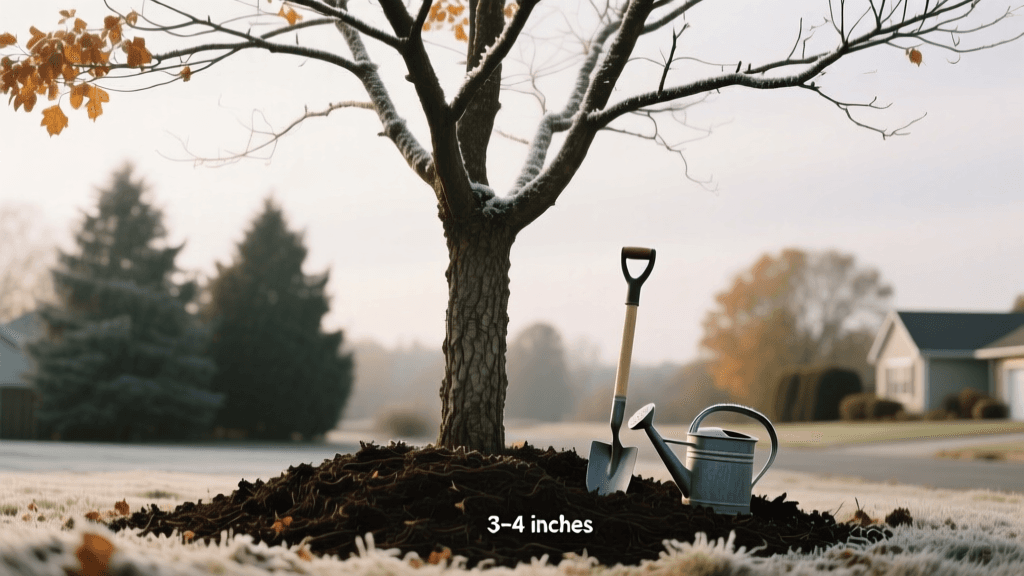
Mulching is non-negotiable for retaining moisture and regulating soil temperature. Apply a 2 to 3-inch layer of shredded hardwood bark or pine straw in a 3-foot radius around the base of the tree. However, you must avoid the dreaded 'volcano mulching' technique. Keep the mulch at least 3 inches away from the trunk itself. Piling mulch against the bark traps moisture, creating a breeding ground for fungal pathogens and inviting rodent damage during the winter months.
Pruning Basics for Beginners
One of the most common mistakes beginners make is over-pruning Japanese maples. These trees naturally develop a beautiful, cascading architecture and require very little shaping. The optimal time to prune is in late winter while the tree is fully dormant, just before the spring sap flow begins. Pruning in late spring or summer can lead to excessive sap bleeding and stress the tree.
Focus your efforts on structural health rather than aesthetic shaping. Use sharp, sterilized bypass pruners to remove any dead, diseased, or crossing branches. If you are growing an upright variety, thin out the interior canopy slightly to improve air circulation, which helps prevent fungal issues like powdery mildew. For weeping laceleaf varieties, simply trim any branches that are dragging on the soil or blocking walkways. Never remove more than 20% of the tree's live canopy in a single season.
Common Pests and Diseases to Watch For
While generally robust, Japanese maples can fall victim to a few specific issues. The North Carolina State University Plant Database notes that environmental stress is often the precursor to pest infestations.
- Leaf Scorch: Characterized by brown, crispy leaf margins. This is usually an abiotic issue caused by too much direct sun, insufficient water, or drying winds. Remedy this by adjusting your watering schedule and providing temporary shade cloth during heatwaves.
- Japanese Beetles: These metallic green and copper pests can skeletonize leaves in mid-summer. Hand-pick them in the early morning when they are sluggish and drop them into a bucket of soapy water. Avoid using broad-spectrum insecticides, which harm beneficial pollinators.
- Verticillium Wilt: A soil-borne fungus that causes sudden wilting and dieback of entire branches. There is no chemical cure for this disease. If infected, prune out the affected branches well below the visible damage, sterilizing your tools with a 10% bleach solution between every cut to prevent spreading the spores.
- Aphids: These tiny sap-sucking insects often congregate on new spring growth. A strong blast of water from your hose or an application of neem oil (mixed at 1 tablespoon per gallon of water) is usually sufficient to control minor outbreaks.
Final Thoughts on Growing Japanese Maples
Adding a Japanese maple to your landscape is an investment that pays dividends in seasonal beauty and property value. By prioritizing proper site selection, respecting the root flare during planting, and maintaining a consistent watering and mulching routine, even a novice gardener can cultivate a stunning specimen tree. Remember that patience is key; Japanese maples are slow growers, but their graceful form and breathtaking autumn foliage make every ounce of effort entirely worthwhile.