Tree Care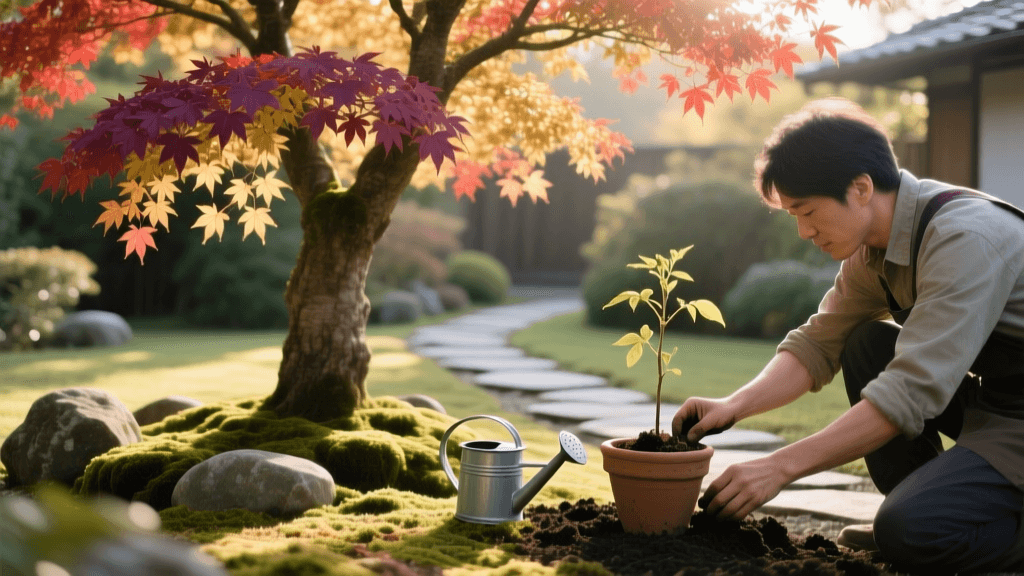
How to Plant and Grow Japanese Maples: A Beginner Guide
Why Choose a Japanese Maple?
Japanese maples (Acer palmatum) are the undisputed champions of ornamental landscaping. With their delicate, lace-like foliage, striking seasonal color shifts, and elegant branching structures, they offer year-round visual interest. For beginners, the idea of growing a Japanese maple might seem intimidating, often associated with high-maintenance botanical gardens or meticulous bonsai practices. However, with the right variety selection, proper planting techniques, and a consistent care routine, these stunning trees can thrive in almost any home landscape. This comprehensive, beginner-friendly guide will walk you through everything you need to know to successfully plant, grow, and maintain a Japanese maple in your yard.
Top Beginner-Friendly Japanese Maple Varieties
Choosing the right cultivar is the most critical first step. Japanese maples generally fall into two main categories: upright growers and weeping (laceleaf) varieties. Upright maples tend to be more tolerant of sun and wind, making them slightly more forgiving for novices. Laceleaf varieties, while breathtaking, require more protection from harsh afternoon sun and strong winds to prevent leaf scorch.
| Variety | Type | Mature Size | Sun Tolerance | Estimated Cost (5-Gallon) |
|---|---|---|---|---|
| Bloodgood | Upright | 15-20 ft tall/wide | Full Sun to Part Shade | $80 - $130 |
| Emperor I | Upright | 15-20 ft tall/wide | Full Sun to Part Shade | $90 - $140 |
| Crimson Queen | Laceleaf | 8-10 ft tall, 10-12 ft wide | Part Shade (Morning Sun) | $110 - $180 |
| Tamukeyama | Laceleaf | 6-8 ft tall, 8-10 ft wide | Part Shade (Morning Sun) | $100 - $160 |
| Coral Bark (Sango Kaku) | Upright | 20-25 ft tall, 15-20 ft wide | Full Sun to Part Shade | $120 - $200 |
Site Selection and Soil Preparation
Before you purchase your tree, evaluate your landscape. Japanese maples prefer well-draining, slightly acidic soil with a pH between 5.5 and 6.5. If you are unsure about your soil composition, invest in an at-home testing kit like the Luster Leaf Rapitest Soil Test Kit (approximately $15). Heavy clay soils can lead to root rot, a primary killer of young maples. If you have clay soil, you must amend it heavily with organic compost or consider planting the tree slightly elevated in a raised berm to ensure adequate drainage. Avoid planting in low-lying areas where water pools after heavy rainstorms. Furthermore, consider the microclimate. A spot that receives gentle morning sun and dappled afternoon shade is the holy grail for Japanese maples, particularly for the more delicate laceleaf cultivars.
Step-by-Step Planting Guide
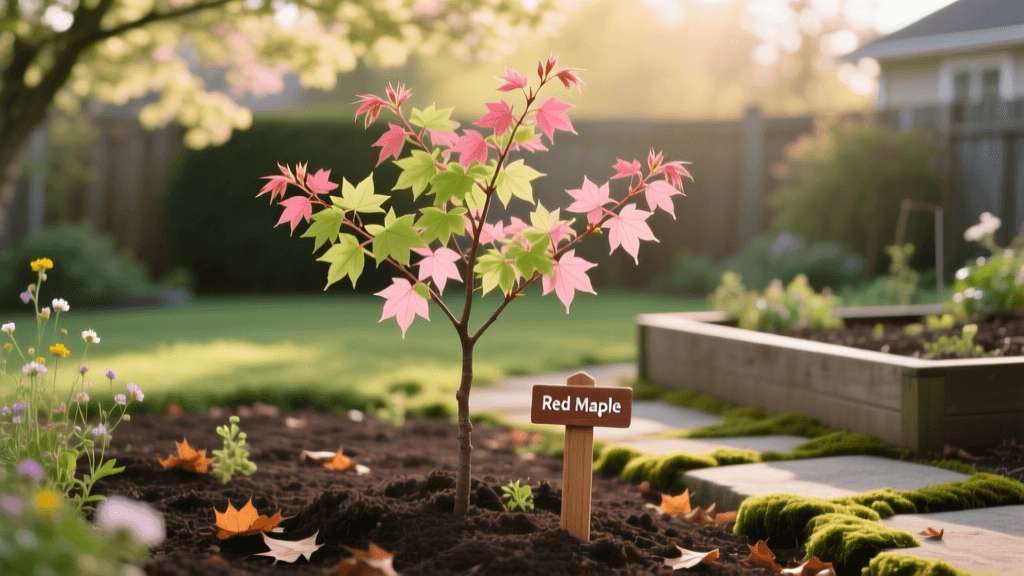
The ideal times to plant are early spring, after the last frost, or early fall, allowing the root system to establish before winter dormancy. Follow these actionable steps for planting success:
- Step 1: Dig the Hole. Dig a hole that is two to three times as wide as the root ball, but no deeper than the root ball itself. The root flare (where the trunk expands at the base and meets the roots) must remain slightly above the surrounding soil grade. Planting too deep is a fatal beginner mistake.
- Step 2: Prepare the Roots. Gently remove the tree from its nursery pot. If the roots are circling tightly, use a clean, sharp knife to make three or four vertical slices along the sides of the root ball. This encourages outward root growth rather than girdling.
- Step 3: Backfill and Amend. Mix the native soil with high-quality organic compost at a ratio of 70% native soil to 30% compost. Incorporate a specialized root stimulator like Espoma Bio-tone Starter Plus (about $12 for a 4 lb bag) into the backfill to promote rapid root development and reduce transplant shock.
- Step 4: Water Thoroughly. As you backfill, pause halfway to water the soil, eliminating large air pockets. Finish filling, water again, and gently tamp down the soil with your hands.
Watering and Mulching Essentials
Consistent moisture is vital during the first two growing seasons. A newly planted Japanese maple requires about 1 to 1.5 inches of water per week. During hot summer spells, this may mean deep watering twice a week using a soaker hose or a Gilmour oscillating sprinkler. Always water at the base of the tree; wetting the foliage can invite fungal diseases like powdery mildew or anthracnose.
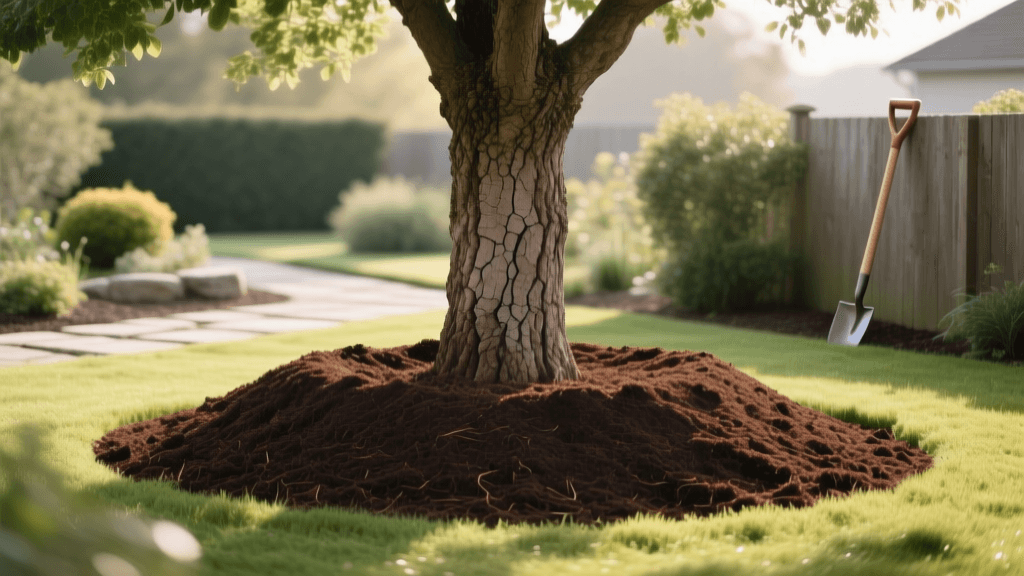
Mulching is equally important for moisture retention and temperature regulation. Apply a 2 to 3-inch layer of organic mulch, such as shredded pine bark or hardwood mulch, in a 3-foot radius around the tree. Crucially, keep the mulch at least 3 inches away from the trunk. Piling mulch against the bark (often called a 'mulch volcano') traps moisture against the trunk, leading to bark decay, fungal infections, and inviting rodent damage during the winter months.
Pruning for Health and Aesthetics
Japanese maples require minimal pruning, especially when young. For beginners, the golden rule is 'less is more.' The primary goals of pruning are to remove dead, diseased, or crossing branches and to gently shape the tree to improve air circulation. The best time to perform structural pruning is in late winter while the tree is fully dormant, before the sap begins to flow in early spring. Minor cleanup and the removal of dead wood can be done in late summer.
Invest in a high-quality bypass pruner, such as the Felco F-2 Classic Manual Pruner (around $60). Clean, sharp cuts heal faster and reduce the risk of disease transmission. Always sanitize your blades with rubbing alcohol between cuts if you are removing diseased wood. Avoid heavy topping or shearing, which ruins the tree's natural, cascading architecture and stimulates weak, bushy water sprouts.
Winter Protection and Pest Management
In USDA Hardiness Zones 5 and below, young Japanese maples are susceptible to winter damage, including frost cracks and desiccation from harsh, drying winds. To protect your investment during its first two or three winters, wrap the trunk with a commercial tree wrap or burlap to prevent sunscald and frost cracking. You can also erect a simple burlap windbreak on the windward side of the tree. Additionally, applying an anti-desiccant spray, such as Wilt Stop, to the foliage in late November can help the leaves retain moisture throughout the freezing winter months when the roots are unable to draw water from the frozen ground.
While generally hardy, Japanese maples can occasionally fall victim to pests like aphids, scale insects, or spider mites. Aphids can usually be managed by blasting them off with a strong stream of water from your garden hose or applying an insecticidal soap like Bonide Insecticidal Soap.
The most severe threat to Japanese maples is Verticillium wilt, a soil-borne fungal disease that causes sudden wilting and dieback of individual branches. There is no chemical cure for Verticillium wilt; prevention through proper planting in well-draining soil and avoiding root stress is the only effective strategy. If a branch is infected, prune it out well below the affected area, sterilizing your tools immediately.
Expert Insights and Authoritative Guidance
To ensure long-term success, it is wise to consult authoritative agricultural resources. According to the University of Florida IFAS Extension, 'Acer palmatum thrives best in fertile, well-drained soil and benefits significantly from organic mulch to keep the shallow root system cool and moist during peak summer heat.' Following university-backed guidelines ensures you are applying scientifically sound horticultural practices rather than relying on guesswork. By respecting the tree's natural preferences and providing consistent, mindful care, your Japanese maple will become a cherished, multi-generational focal point in your landscape.