
Landscaping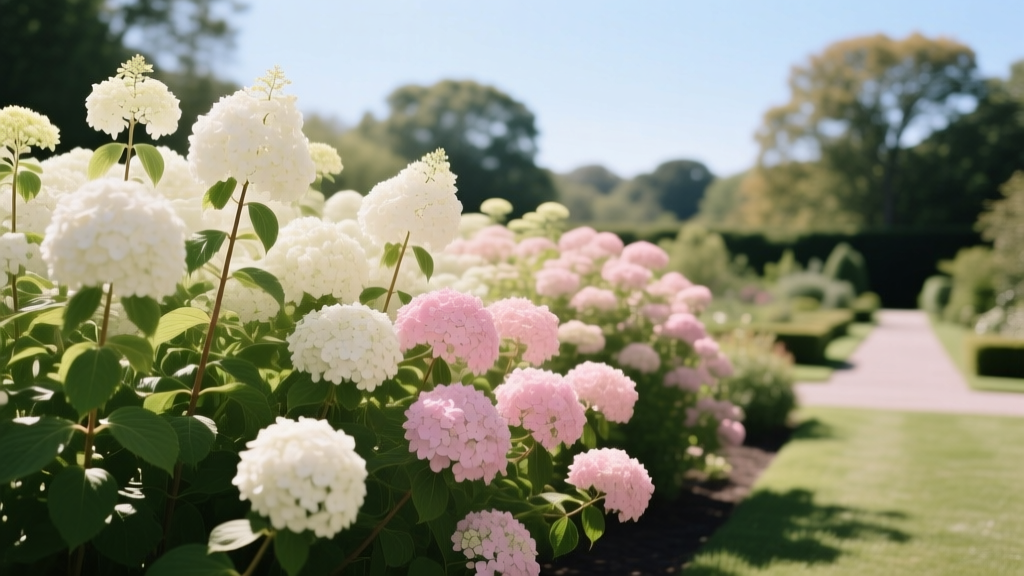
Beginner Guide to Landscaping with Panicle Hydrangeas
Mike RodriguezPublished
Introduction to the Beginner-Friendly Panicle Hydrangea
If you have ever dreamed of a lush, flowering landscape but felt intimidated by fussy plants, panicle hydrangeas (Hydrangea paniculata) are your ultimate solution. Unlike the classic mophead hydrangeas (Hydrangea macrophylla) that drop their leaves in a heatwave or fail to bloom after a harsh winter, panicle hydrangeas are rugged, reliable, and incredibly forgiving. For beginners looking to elevate their garden bed planning, improve curb appeal, and create stunning outdoor living spaces, this growing guide will walk you through everything you need to know about planting, caring for, and designing with these spectacular shrubs.
Why Panicle Hydrangeas Are Perfect for Beginners
The primary reason landscaping professionals and university extension offices recommend panicle hydrangeas to novices is their unique blooming habit. They bloom on "new wood," meaning the flower buds form on the current season's growth in the spring. If a late spring frost damages the plant, or if you accidentally prune it at the wrong time, you will still get a magnificent floral display in late summer. Furthermore, they are exceptionally cold-hardy, thriving in USDA Zones 3 through 8, and they tolerate full sun much better than their shade-preferring cousins. They are also highly adaptable to various soil types, making them an excellent choice for beginners who are still mastering the intricacies of soil pH and drainage solutions.
Choosing the Right Variety for Your Landscape
Selecting the right cultivar is crucial for proper garden bed planning and ensuring your plants fit the scale of your outdoor living space. Panicle hydrangeas range from compact dwarfs perfect for foundation plantings to towering tree-form specimens that serve as focal points. Below is a comparison chart of the most popular, beginner-friendly varieties available at local nurseries.
| Variety | Mature Size | Bloom Color Progression | Best Landscape Use |
|---|---|---|---|
| Limelight | 6-8 ft tall & wide | Chartreuse to Cream to Pink | Privacy hedges, large mixed borders |
| Bobo | 2-3 ft tall & wide | White to Soft Pink | Foundation planting, walkway edging |
| Quick Fire | 6-8 ft tall & wide | White to Dark Rosy-Red | Focal points, early color accents |
| Strawberry Sundae | 4-5 ft tall & wide | White to Strawberry Pink | Mid-sized garden beds, patio containers |
| Pinky Winky | 6-8 ft tall & wide | White to Bi-color Pink | Informal hedges, backdrop for perennials |
Step-by-Step Planting Guide
Proper planting sets the foundation for decades of reliable blooms. Follow these actionable steps to ensure your new shrubs thrive.
1. Timing and Location
The best time to plant panicle hydrangeas is in early spring after the last frost, or in early fall to allow roots to establish before winter. Choose a location that receives at least 6 to 8 hours of direct sunlight daily. While they can tolerate partial shade, full sun produces the strongest stems and most abundant blooms.
2. Soil Preparation and Drainage
Panicle hydrangeas prefer well-draining, loamy soil. If you are integrating these shrubs near hardscaping projects like patios or retaining walls, ensure that your drainage solutions direct excess water away from the root zone, as hydrangeas dislike "wet feet." Amend heavy clay or sandy soil with 2 to 3 inches of organic compost, such as Coast of Maine Quoddy Blend, working it into the top 12 inches of the native soil.
3. Digging and Planting
Dig a hole that is twice as wide as the nursery pot but exactly the same depth. Planting too deeply can lead to stem rot. Gently remove the shrub from its 3-gallon pot, tease out any circling roots, and place it in the center of the hole. Backfill with the amended native soil, tamping down gently to remove air pockets.
4. Mulching and Initial Watering
Apply a 2 to 3-inch layer of premium hardwood mulch around the base of the plant, keeping it 2 inches away from the main stem to prevent rot. Water deeply immediately after planting, providing roughly 1 to 1.5 gallons of water per shrub to settle the soil.
Ongoing Care and Maintenance
Once established, panicle hydrangeas are remarkably low-maintenance. During the first growing season, water them deeply once or twice a week, providing about 1 inch of water per week. Use a soaker hose to keep moisture off the foliage, which helps prevent fungal diseases.
Fertilizing is simple. In early spring, just as the leaf buds begin to swell, apply a granular, slow-release fertilizer formulated for shrubs. A product like Espoma Plant-tone (4-3-4) or Holly-tone is excellent. Apply 1.5 cups per 3 feet of branch spread, scratching it lightly into the mulch and soil surface, then water it in thoroughly. Avoid high-nitrogen lawn fertilizers near your garden beds, as this will promote weak, leafy growth at the expense of flowers.
Pruning Demystified: The "New Wood" Advantage
Pruning is where many beginners make mistakes with traditional hydrangeas, but panicle hydrangeas are incredibly forgiving. Because they bloom on new wood, you can prune them aggressively without fear of cutting off next year's flowers.
Expert Insight: As noted by the Clemson Cooperative Extension, "Hydrangea paniculata is one of the most adaptable and cold-hardy species available. Pruning should be done in late winter or early spring before new growth begins. These hydrangeas can be pruned back to 18 to 24 inches from the ground to encourage a compact, bushy habit with large flower heads."
For a beginner-friendly approach, simply prune out any dead, damaged, or crossing branches in late February or March. If you want larger, albeit fewer, flower panicles, cut the entire shrub back by one-third of its total height. Always use clean, sharp bypass pruners to make clean cuts at a 45-degree angle just above a healthy bud node.
Troubleshooting Common Issues
While rugged, panicle hydrangeas can occasionally face a few garden pests or environmental stresses. Here is how to handle them:
- Flopping Stems: If your blooms are so heavy they bend to the ground, it is usually due to insufficient sunlight or over-fertilization. Ensure they get 6+ hours of sun and avoid heavy nitrogen feeds.
- Japanese Beetles: These pests love hydrangea leaves. For a beginner-friendly, organic solution, hand-pick them in the early morning and drop them into a bucket of soapy water, or apply neem oil in the evening when pollinators are less active.
- Powdery Mildew: This white, dusty fungus appears in late summer when humidity is high and air circulation is poor. Prevent it by spacing plants properly according to their mature width and watering only at the base of the plant.
Landscaping Design Ideas and Companion Plants
Panicle hydrangeas are versatile anchors for sustainable landscaping practices and mixed perennial borders. Their large, architectural blooms provide incredible late-summer and autumn interest when many other plants are fading.
For a striking foundation planting, pair the compact Bobo hydrangea with shade-tolerant perennials like Hostas or Coral Bells (Heuchera). In a sunny, mixed border, use the towering Limelight as a backdrop, planting mid-height Purple Coneflowers (Echinacea) and Black-Eyed Susans (Rudbeckia) in the middle tier, and edging the bed with ornamental grasses like Feather Reed Grass (Calamagrostis). The dried flower heads of the panicle hydrangea also provide excellent winter structure and habitat for local wildlife, aligning perfectly with eco-friendly garden design.
Estimated Costs for a Beginner Hydrangea Bed
Landscaping on a budget is easy when you choose the right plants. Here is a realistic cost breakdown for installing a small garden bed featuring three 3-gallon panicle hydrangeas:
- Plants (3-gallon pots): $40 - $55 each (Total: $120 - $165)
- Organic Compost (2 bags): $8 per bag (Total: $16)
- Premium Hardwood Mulch (3 bags): $6 per bag (Total: $18)
- Granular Shrub Fertilizer (Espoma Plant-tone): $15
- Total Estimated Project Cost: $169 - $214
By investing in panicle hydrangeas, you are choosing a high-impact, low-maintenance shrub that will reward your landscaping efforts with massive, color-shifting blooms year after year. With proper site selection, basic soil prep, and simple late-winter pruning, even the most novice gardener can achieve professional-level curb appeal.

