Gardening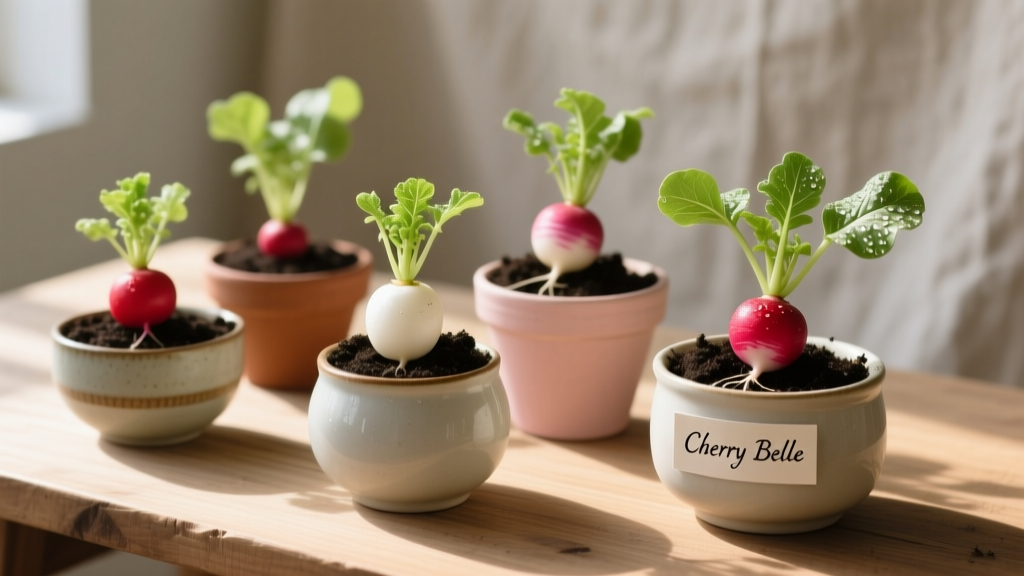
How to Grow Radishes in Containers: A Beginner Guide
Anna KowalskiPublished
Why Radishes Are the Perfect Beginner Container Crop
If you are new to gardening and looking for a quick, rewarding harvest, radishes (Raphanus sativus) are the ultimate gateway crop. Unlike tomatoes or peppers that require months of nurturing, staking, and pruning, radishes are incredibly fast-growing. Many varieties are ready to harvest in as little as 25 to 30 days from the moment the seed touches the soil. This rapid turnaround provides beginners and children with immediate gratification, making the gardening experience highly engaging.
Furthermore, radishes are exceptionally well-suited for container gardening. They possess relatively shallow root systems (with the exception of specific winter varieties), meaning they do not require massive, heavy raised beds or deep in-ground tilling. Whether you have a sprawling backyard, a small urban balcony, or just a sunny kitchen windowsill, you can successfully cultivate a bountiful radish harvest. According to The Old Farmer's Almanac, radishes thrive in cool weather and loose soil, both of which are incredibly easy to control and maintain within a container environment.
Choosing the Right Container and Soil
The foundation of any successful container garden lies in selecting the appropriate vessel and growing medium. Because radishes are root vegetables, the soil must be loose, well-draining, and free of obstructions like rocks or compacted clay, which can cause the roots to fork or become stunted.
Container Specifications
For standard, round spring radishes, a container with a depth of at least 6 to 8 inches is perfectly adequate. If you plan to grow longer, cylindrical varieties like French Breakfast or Daikon, you will need a pot that is at least 12 to 18 inches deep. Ensure your chosen container has adequate drainage holes at the bottom. Fabric grow bags (typically 5 to 10 gallons in size) are an excellent, budget-friendly choice because they naturally air-prune roots and prevent waterlogging.
The Ideal Soil Mix
Never use topsoil or garden soil in containers; it compacts too easily and restricts root growth. Instead, invest in a high-quality, well-draining potting mix. A great beginner recipe is mixing 60% premium potting soil (such as FoxFarm Ocean Forest or Miracle-Gro Moisture Control, which cost around $15 to $20 per bag) with 40% organic compost. This blend provides the necessary drainage while offering a gentle, slow-release nutrient profile. Radishes do not require heavy fertilization; in fact, too much nitrogen will result in lush, leafy tops with tiny, underdeveloped roots.
Best Radish Varieties for Container Gardening
Choosing the right seed variety is crucial for container success. Below is a comparison chart of the most reliable, beginner-friendly radish varieties suited for pot cultivation.
| Radish Variety | Days to Harvest | Minimum Pot Depth | Flavor Profile |
|---|---|---|---|
| Cherry Belle | 22-28 Days | 6 Inches | Classic, crisp, peppery |
| French Breakfast | 25-30 Days | 6-8 Inches | Mild, slightly sweet, tender |
| Easter Egg Mix | 25-30 Days | 6 Inches | Mild, colorful, great for kids |
| Daikon | 50-60 Days | 12-18 Inches | Mild, large, excellent for roasting |
For your first attempt, seed packets from reputable brands like Burpee or Botanical Interests will cost between $3 and $5 and contain hundreds of seeds, offering immense value for your investment.
Step-by-Step Planting Guide
Timing is everything when it comes to radishes. They are a cool-season crop and will quickly 'bolt' (go to seed and turn bitter) if exposed to the long, hot days of mid-summer. The University of Minnesota Extension recommends planting radishes in early spring as soon as the soil can be worked, or in late summer for a crisp autumn harvest.
- Prep the Soil: Fill your container with your potting and compost mix, leaving about an inch of space from the rim. Water the soil thoroughly before planting so it is evenly moist.
- Sow the Seeds: Create shallow furrows about 1/2 inch deep using your finger or a dibber. Space the seeds roughly 1 inch apart along the row.
- Cover and Water: Gently cover the seeds with a light dusting of soil or fine vermiculite. Mist the surface with a gentle spray nozzle so you do not wash the seeds away.
- Germination: Keep the soil consistently moist. You should see the first green sprouts emerge in as little as 3 to 7 days.
Ongoing Care: Watering, Sunlight, and Thinning
Once your radishes have sprouted, the real test of a gardener's patience begins. Consistent care is vital for producing crisp, juicy roots rather than woody, pithy ones.
The Crucial Step: Thinning
This is the most common mistake beginners make. As noted by the Texas A&M Agrilife Extension, overcrowding is the number one reason radishes fail to form bulbs. When the seedlings are about 2 inches tall, you must thin them so that each plant has at least 2 inches of horizontal space. Do not pull the unwanted seedlings out, as this can disturb the delicate roots of the plants you want to keep. Instead, use a pair of clean scissors to snip the excess seedlings off right at the soil line. Bonus: these thinned radish sprouts are entirely edible and make a fantastic, peppery garnish for salads and sandwiches!
Watering and Sunlight
Radishes require full sun, meaning they need at least 6 to 8 hours of direct sunlight daily. If your balcony is shaded, consider using a lightweight caddy to move your container to follow the sun. Watering must be consistent. Aim for about 1 inch of water per week. If the soil dries out completely and is then flooded, the radish roots will crack and split. Mulching the top of the soil with a thin layer of straw or shredded leaves can help retain moisture and regulate soil temperature.
Harvesting and Troubleshooting Common Issues
Knowing exactly when to harvest is key to avoiding tough, overly spicy radishes. Most spring varieties are ready when the 'shoulders' of the root begin to push up and break through the soil surface. They should be about 1 inch in diameter. Simply grasp the base of the stem and pull gently. If they resist, loosen the surrounding soil with a small hand trowel.
Radishes are among the fastest-growing vegetables, making them an ideal choice for impatient gardeners and children experiencing the magic of seed-to-harvest for the first time. However, leaving them in the ground even a week past their prime can result in a spongy, unpalatable texture.
Troubleshooting Guide
- All Tops, No Bottoms: If your radishes produce massive, beautiful green leaves but tiny, thread-like roots, you have likely used a fertilizer too high in nitrogen, or you failed to thin the seedlings adequately.
- Woody or Pithy Texture: This is caused by inconsistent watering or leaving the radishes in the ground too long. Harvest promptly and maintain even soil moisture.
- Excessively Hot or Bitter Taste: Radishes develop their spicy kick when stressed by heat or drought. Ensure they are planted in cool weather and watered regularly.
Companion Planting in Your Container
Maximize your container space by practicing companion planting. Radishes are fantastic neighbors for other crops. They are known to deter cucumber beetles and squash borers, making them a great sacrificial or trap crop. Furthermore, because radishes germinate and mature so quickly, you can sow them in the same container as slower-growing crops like carrots or parsnips. The radishes will break up the soil crust as they emerge and grow, and you will harvest them long before the carrots need the extra space. This technique, known as intercropping, is a brilliant way for beginners to double their yield from a single pot.
Startup Cost Breakdown
Starting a container radish garden is highly economical. Here is what you can expect to spend on your initial setup:
- Container (12-inch plastic pot or fabric grow bag): $8 - $15
- High-quality potting mix (1.5 cubic feet): $15 - $20
- Organic compost or worm castings: $5 - $8
- Seed packet (approx. 250 seeds): $3 - $5
- Total Estimated Startup Cost: $31 - $48
With minimal financial investment, a small footprint, and a rapid harvest timeline, growing radishes in containers is the ultimate beginner-friendly gardening project. Grab your seeds, prep your soil, and enjoy the crisp, peppery crunch of homegrown produce in less than a month!
