Gardening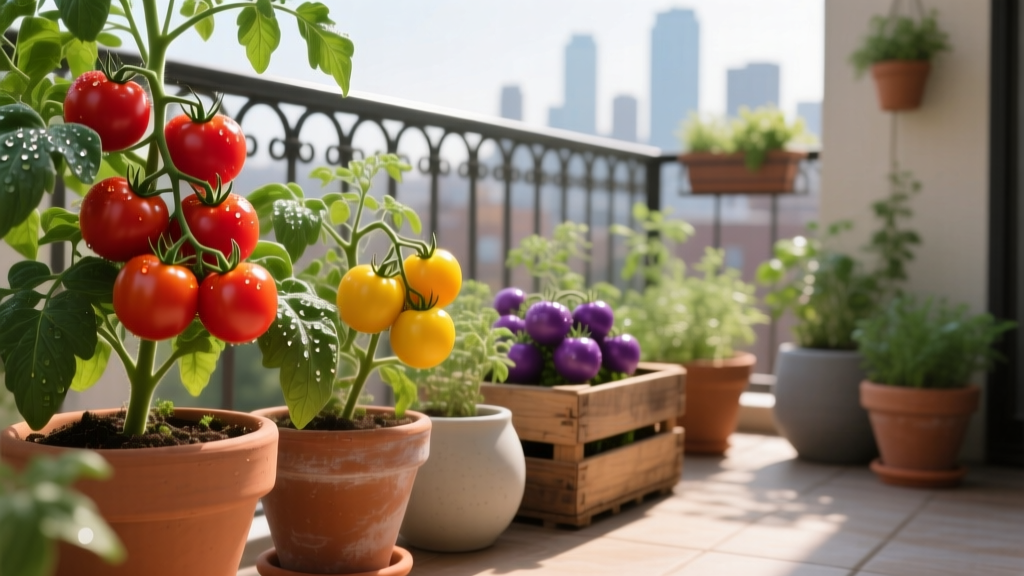
The Beginner's Guide to Growing Tomatoes in Containers
Sarah ChenPublished
Why Choose Container Gardening for Tomatoes?
Gardening is a rewarding hobby, but starting a traditional in-ground vegetable garden can feel overwhelming for novices. Soil testing, tilling, and weed management often deter enthusiastic beginners. Enter container gardening: the ultimate beginner-friendly approach to cultivating your own food. Among all the vegetables you can grow, tomatoes are the undisputed champions of the home garden. This comprehensive guide will walk you through everything you need to know about growing tomatoes in containers, from selecting the right pot to harvesting your first sun-ripened fruit.
The Benefits of Pots and Planters
Growing tomatoes in pots offers unparalleled control over your plant's environment. According to the University of Minnesota Extension, container gardening allows you to bypass poor native soil, reduce soil-borne diseases, and easily move plants to optimize sunlight exposure. For urban dwellers, balconies and patios become productive growing spaces. Furthermore, containers limit the spread of invasive weeds and make it significantly easier to manage pests. The initial setup cost is relatively low—typically between $40 and $70 for a high-quality pot, premium soil, and a starter plant—making it an accessible entry point into gardening.
Selecting the Best Tomato Varieties for Pots
Not all tomatoes are created equal when it comes to confined spaces. Tomatoes are generally classified into two growth habits: determinate (bush) and indeterminate (vining). For beginners using containers, determinate varieties are highly recommended. They grow to a compact, predetermined height, produce fruit all at once, and require minimal staking.
Top Beginner-Friendly Container Varieties
- Patio Princess: A dwarf variety perfect for small 5-gallon pots, producing sweet, bite-sized cherry tomatoes.
- Bushsteak: A compact plant that yields large, meaty slicing tomatoes ideal for sandwiches and burgers.
- Tiny Tim: An heirloom cherry tomato that thrives in hanging baskets or small window boxes, requiring no pruning.
- Roma VF: A determinate paste tomato excellent for sauces and canning, growing well in 10-gallon containers.
If you prefer indeterminate varieties like 'Cherokee Purple' or 'Sun Gold', be prepared to use a heavy-duty 15-gallon pot and a robust trellis system to support their sprawling, six-foot-plus vines.
Choosing the Right Container and Soil Mix
The foundation of a successful container tomato is its home and its dirt. Tomatoes have deep, extensive root systems that require ample space to access water and nutrients.
Container Specifications
Choose a pot that holds a minimum of 5 gallons for dwarf varieties and 15 to 20 gallons for standard determinate tomatoes. Ensure the container has at least three to five drainage holes at the bottom. Terra cotta pots breathe well but dry out quickly, while food-grade plastic or fabric grow bags (like the popular VIVO brand) retain moisture better and are lightweight. A 15-gallon fabric grow bag typically costs around $15 to $20 and promotes excellent root aeration.
The Perfect Soil Blend
Never use topsoil or garden soil in containers; it compacts easily, suffocating roots and blocking drainage. Instead, invest in a high-quality potting mix. A blend of 60% premium potting soil (such as FoxFarm Ocean Forest), 30% organic compost, and 10% perlite provides the ideal balance of moisture retention and drainage. According to The Old Farmer's Almanac, enriching the soil with a slow-release organic fertilizer at planting time gives seedlings a vital early boost.
Step-by-Step Planting Guide
Timing is crucial. Wait until two weeks after your region's last expected spring frost date to plant your tomatoes. The soil temperature should consistently read above 60°F.
Planting Technique
- Prepare the Pot: Fill your container with the soil blend, leaving about 3 inches of space from the rim to prevent water overflow.
- Prep the Seedling: Gently remove the tomato plant from its nursery pot. Pinch off the lowest sets of leaves, leaving only the top cluster of foliage intact.
- Plant Deep: Dig a deep hole and bury the stem up to the remaining leaves. Tomatoes develop adventitious roots along buried stems, creating a massive, resilient root system.
- Water Thoroughly: Water the plant immediately until water runs freely from the drainage holes to settle the soil around the roots.
- Install Support: Insert a sturdy tomato cage or wooden stake immediately after planting to avoid damaging the roots later in the season.
Watering, Feeding, and Ongoing Maintenance
Container tomatoes dry out much faster than their in-ground counterparts. During the heat of summer, you may need to water your plants daily. The golden rule is to water deeply at the base of the plant, keeping the foliage dry to prevent fungal diseases like early blight.
Consistent watering is the secret to preventing blossom end rot, a common physiological disorder caused by calcium deficiency often triggered by fluctuating soil moisture.
Because frequent watering leaches nutrients from the potting mix, regular feeding is mandatory. Use a specialized tomato fertilizer like Espoma Tomato-tone (4-7-10 NPK). Apply it every two weeks according to the package directions, scratching it lightly into the top inch of soil before watering.
Container Tomato Care Schedule
To keep your routine organized, follow this structured maintenance chart throughout the growing season:
| Growth Stage | Watering Frequency | Fertilizing Schedule | Key Maintenance Tasks |
|---|---|---|---|
| Seedling (Weeks 1-3) | Every 2-3 days | None needed (rely on starter soil) | Monitor for cutworms; ensure 6+ hours of sun. |
| Vegetative (Weeks 4-6) | Daily (if hot) | Every 14 days (half strength) | Tie main stem to stake; remove lower suckers. |
| Flowering and Fruiting | Daily to twice daily | Every 10-14 days (full strength) | Hand-pollinate flowers gently; check for hornworms. |
| Harvest Phase | Keep consistently moist | Every 14 days (potassium focus) | Pick ripe fruit promptly to encourage more production. |
Troubleshooting Common Container Problems
Even with the best care, beginners might encounter a few hurdles. Here is how to identify and solve the most common issues:
- Blossom End Rot: Identified by a dark, sunken, leathery spot on the bottom of the fruit. This is a calcium uptake issue caused by uneven watering. Maintain a strict watering schedule and apply a liquid calcium supplement if necessary.
- Tomato Hornworms: Large, green caterpillars that can strip a plant of leaves overnight. Inspect your plants weekly and pick them off by hand, dropping them into a bucket of soapy water.
- Aphids: Tiny, sap-sucking insects that cluster on new growth. Blast them off with a strong stream of water from your hose or treat the plant with organic neem oil spray in the evening.
- Yellowing Lower Leaves: Often a sign of nitrogen deficiency or natural aging. If the plant is otherwise healthy, simply snip off the yellow leaves to improve airflow and redirect energy to fruit production.
Final Thoughts for Beginners
Growing tomatoes in containers removes the intimidation factor from vegetable gardening. By controlling the soil quality, managing moisture levels, and choosing the right compact varieties, you set yourself up for a bountiful harvest. Start with just one or two pots this season, take notes on what works, and enjoy the unmatched flavor of a tomato that traveled only a few steps from your patio to your plate. Happy gardening!
