Gardening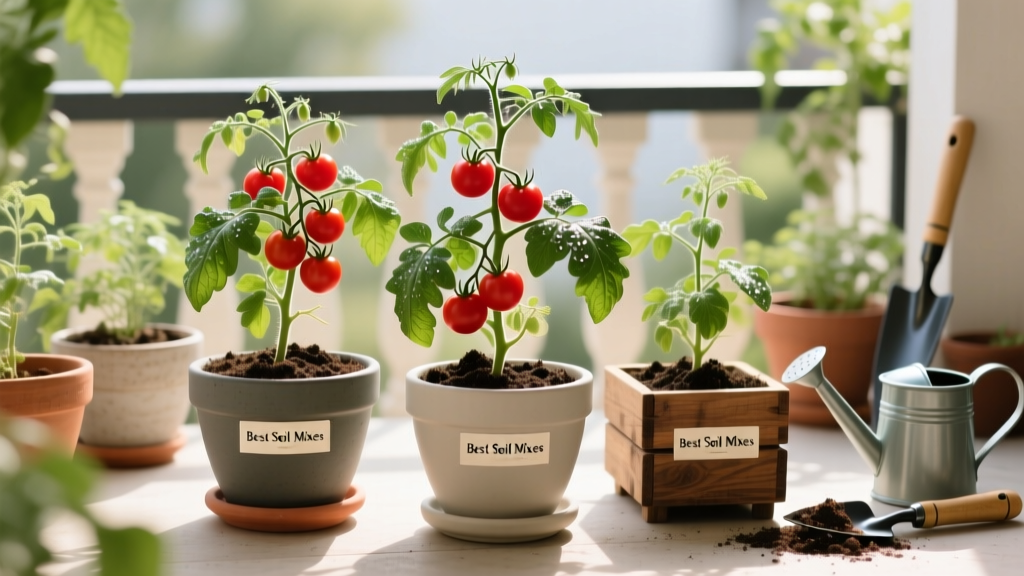
The Beginner Guide to Growing Tomatoes in Containers
Anna KowalskiPublished
Introduction to Container Tomato Gardening
Growing your own tomatoes is a rite of passage for any home gardener. There is simply nothing that compares to the taste of a sun-warmed, vine-ripened tomato picked straight from your own patio. However, not everyone has the luxury of a sprawling backyard or perfect native soil. This is where container gardening comes to the rescue. Growing tomatoes in pots is an incredibly rewarding, space-saving, and beginner-friendly method that allows you to control every aspect of the plant's environment.
Whether you have a small urban balcony, a sunny front porch, or just want to keep your plants safe from soil-borne diseases, container gardening offers unparalleled flexibility. In this comprehensive beginner guide, we will walk you through everything you need to know about growing tomatoes in containers, from selecting the right varieties and pots to mastering watering schedules and harvesting your first crop.
Why Choose Containers for Tomatoes?
Before we dig into the soil, it is important to understand why container gardening is such a powerful tool for tomato growers:
- Complete Soil Control: Tomatoes are heavy feeders and require well-draining, nutrient-rich soil. Containers allow you to bypass poor native soil and use a custom, high-quality potting mix.
- Pest and Disease Management: Elevating your plants off the ground reduces exposure to soil-borne pathogens like verticillium wilt and fusarium wilt, as well as ground-dwelling pests.
- Mobility: Tomatoes require at least 6 to 8 hours of direct sunlight daily. If a patio umbrella blocks the sun or a late spring frost threatens, you can simply move your containers to a safer, sunnier location.
- Extended Season: You can start your containers in a greenhouse or indoors and move them outside once the weather warms up, effectively extending your growing season.
Choosing the Right Tomato Varieties for Pots
Not all tomatoes are created equal when it comes to container gardening. Tomatoes are generally divided into two main growth habits: Determinate and Indeterminate. Understanding the difference is crucial for your success.
| Trait | Determinate (Bush) | Indeterminate (Vining) |
|---|---|---|
| Growth Habit | Grows to a fixed height (3-4 feet) and stops. | Continues to grow and vine (6-10+ feet) until frost. |
| Fruiting Pattern | Produces one large, concentrated harvest over a few weeks. | Produces fruit continuously throughout the entire growing season. |
| Pruning Needs | Requires little to no pruning of suckers. | Requires regular pruning of suckers to manage growth and airflow. |
| Best Container Size | 5 to 10 gallons (Minimum 12 inches deep). | 15 to 20+ gallons (Minimum 18-24 inches deep). |
| Recommended Varieties | Patio Princess, Tiny Tim, Bush Early Girl, Roma. | Cherokee Purple, Sun Gold, Beefsteak, Sweet 100. |
For absolute beginners, determinate varieties are highly recommended. They are compact, require less staking, and are perfectly suited for standard 5-gallon buckets or medium-sized patio planters. If you have the space for larger 15-gallon fabric pots and sturdy trellises, indeterminate cherry tomatoes like 'Sun Gold' will provide you with a steady supply of snacks from mid-summer all the way to the first autumn frost.
Selecting the Best Containers and Soil
Container Types and Costs
The right pot is the foundation of a healthy container tomato. Ensure that whatever container you choose has adequate drainage holes at the bottom. Tomatoes hate having 'wet feet,' and standing water will quickly lead to root rot.
- Fabric Grow Bags (e.g., Smart Pot): Costing between $15 and $30 for a 15-gallon size, these are arguably the best choice for tomatoes. They promote 'air-pruning' of the roots, preventing the plant from becoming root-bound and encouraging a dense, fibrous root system.
- Plastic Pots / 5-Gallon Buckets: Very affordable ($5 to $10). They retain moisture well, which is helpful in hot climates, but you must drill drainage holes if using standard hardware store buckets.
- Terracotta / Clay: Beautiful and heavy (preventing tipping in the wind), but they wick moisture away from the soil rapidly. Expect to water terracotta pots daily during peak summer heat. Large terracotta pots can cost upwards of $40 to $80.
The Perfect Soilless Potting Mix
Never use garden soil or topsoil for container tomatoes. Garden soil is too dense, will compact in a pot, and often harbors weed seeds and diseases. According to the Penn State Extension, container gardens require a well-draining, soilless potting mix that provides a balance of moisture retention and aeration.
You can buy a premium bagged mix like FoxFarm Ocean Forest or Espoma Organic Potting Mix (typically $15 to $25 per 1.5 cubic foot bag), or you can mix your own for a fraction of the cost:
- 1/3 Peat Moss or Coco Coir: For moisture retention.
- 1/3 High-Quality Compost: For slow-release nutrients and microbial life.
- 1/3 Perlite or Coarse Vermiculite: For drainage and aeration.
- Bonus Amendment: Add 1/2 cup of garden lime per 5 gallons of soil to ensure adequate calcium levels, which prevents blossom end rot.
Planting Your Container Tomatoes Step-by-Step
Timing is everything. Wait to transplant your tomato seedlings outdoors until at least two weeks after your region's last expected spring frost date. The soil temperature should be consistently above 60°F (15°C).
As noted by the University of Minnesota Extension, planting tomatoes deeply encourages a stronger, more extensive root system. Tomatoes have the unique ability to sprout adventitious roots all along their buried stems.
- Prep the Pot: Fill your container with your soilless mix, leaving about 3 inches of space from the rim to allow for watering and mulching.
- Dig a Deep Hole: Dig a hole deep enough to bury two-thirds of the tomato seedling's stem.
- Remove Lower Leaves: Gently pinch off the lower leaves that will be buried underground to prevent rot.
- Plant and Firm: Place the seedling in the hole, backfill with soil, and gently press down to eliminate large air pockets.
- Water In: Water thoroughly until water runs freely out of the bottom drainage holes.
Ongoing Care: Watering, Feeding, and Support
Mastering the Watering Schedule
Container tomatoes dry out much faster than those planted in the ground. During the heat of mid-summer, you may need to water your pots every single day. The golden rule is to water when the top 1 to 2 inches of soil feel dry to the touch. Always water at the base of the plant, avoiding the leaves, to prevent fungal diseases like early blight.
Inconsistent watering is the primary culprit behind blossom end rot, a physiological disorder that causes the bottom of the tomato fruit to turn black and leathery. Maintaining even soil moisture is critical for calcium uptake. - Old Farmer's Almanac
To help retain moisture and keep the soil temperature stable, apply a 2-inch layer of organic mulch, such as straw or shredded leaves, to the top of your container soil.
Fertilizing for Maximum Yield
Because frequent watering leaches nutrients out of the bottom of the pot, container tomatoes require a strict feeding schedule. Start with a slow-release organic granular fertilizer like Espoma Organic Tomato-tone (4-7-10) at the time of planting. Once the plant begins to flower and set fruit, supplement every 2 to 3 weeks with a liquid organic fertilizer or fish emulsion to support heavy fruit production. Avoid high-nitrogen fertilizers, which will give you massive, lush green foliage but very few tomatoes.
Providing Structural Support
Even determinate bush varieties need support to keep heavy fruit off the soil. Insert a sturdy wire tomato cage or a thick wooden stake into the pot at the time of planting. Waiting until the plant is fully grown to insert a cage will damage the delicate root system. For indeterminate varieties grown in large 15-gallon pots, consider using a heavy-duty wooden trellis and tying the main vine loosely with soft garden twine as it grows.
Harvesting and End-of-Season Cleanup
Harvest your tomatoes when they are fully colored and slightly soft to the gentle squeeze of your fingers. Use a pair of clean pruning snips to cut the stem rather than pulling the fruit, which can damage the vine.
When the growing season ends and the first hard frost kills the vine, proper cleanup is essential for disease prevention. Do not reuse the same tomato soil for tomatoes, peppers, or eggplants the following year, as it may harbor overwintering pathogens. Instead, dump the spent soil into a compost pile or use it to top-dress your lawn or flower beds. Scrub your empty containers with a solution of 1 part bleach to 9 parts water, let them dry in the sun, and store them in a dry place until next spring.
By following this beginner-friendly guide, you will be well on your way to growing vibrant, productive, and delicious container tomatoes right outside your door.
