Pest Control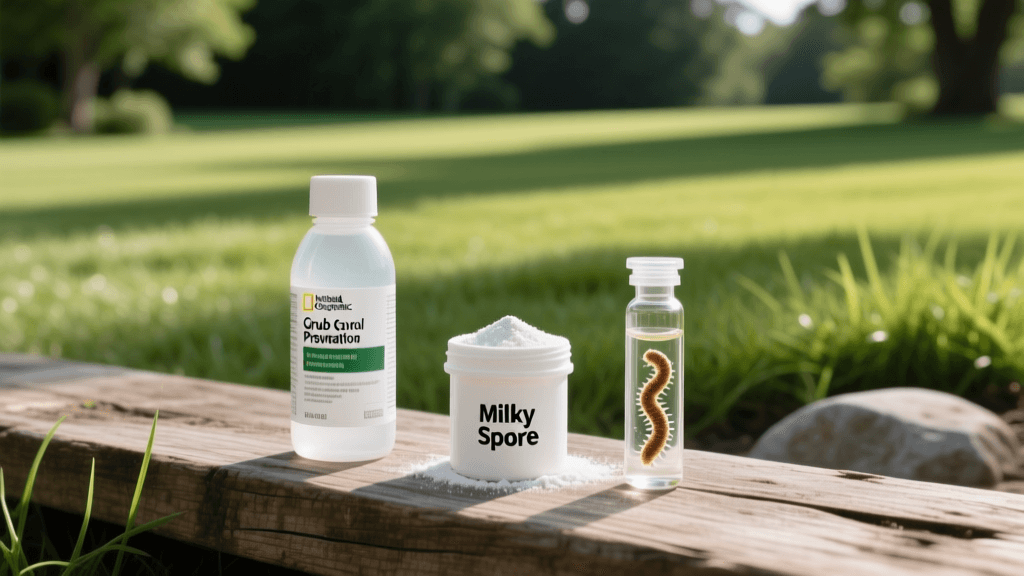
Best Grub Control Products: Chemical vs Organic Reviewed
The Ultimate Guide to Grub Control Products: Chemical vs. Organic
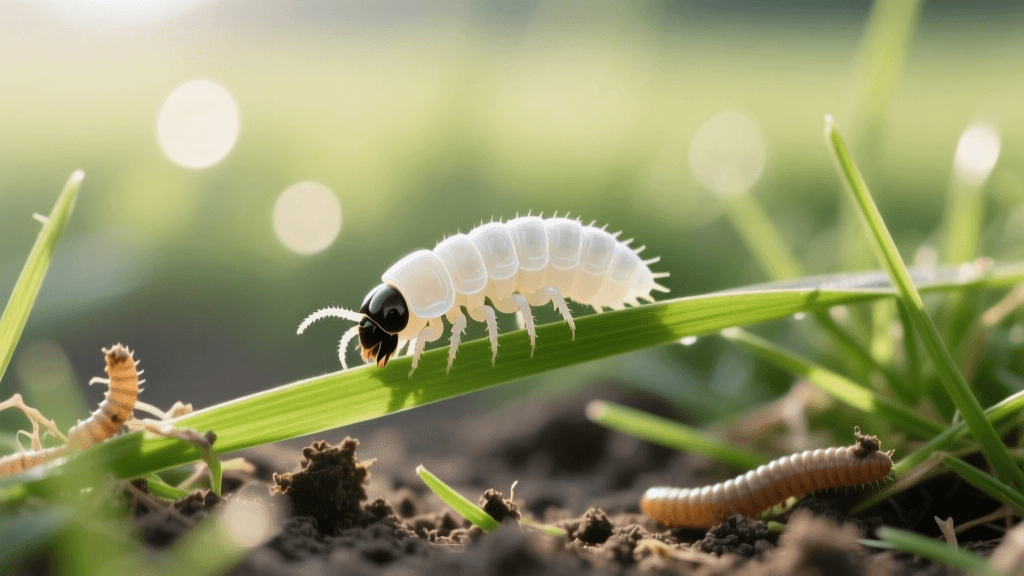
White grubs are the soil-dwelling larvae of scarab beetles, including Japanese beetles, June bugs, and European chafers. Left unchecked, these C-shaped pests devour grass roots, leading to severe turf thinning, brown patches, and lawn death. Worse, their presence often attracts secondary pests like skunks, raccoons, and crows, which will tear up your lawn to feast on the grubs. Choosing the right grub control product is not a one-size-fits-all endeavor. The efficacy of a treatment depends entirely on the grub life cycle, the active ingredient, and whether you are looking for a preventative or curative solution.
In this comprehensive review, we compare the top chemical and organic grub control products on the market, analyzing their active ingredients, application timing, cost-effectiveness, and environmental impact to help you make an informed decision for your lawn care regimen.
Diagnosing the Problem: The Grub Threshold Test
Before purchasing any product, confirm that grubs are actually the culprit. Sponginess underfoot and irregular brown patches that peel back like loose carpet are primary indicators. To verify, perform a grub count test:
- Cut three sides of a 1-foot by 1-foot square of sod using a sharp spade.
- Peel back the turf and count the grubs in the top 2 inches of soil.
- Replace the turf and water it immediately.
According to Integrated Pest Management (IPM) guidelines, a healthy lawn can tolerate a few grubs. Treatment is generally only recommended if you find 5 to 10 or more grubs per square foot. If your count is below this threshold, focus on proper watering and fertilization to help the grass outgrow the minor root damage.
Category 1: Chemical Preventatives (Long-Term Defense)
Top Pick: Scotts GrubEx (Chlorantraniliprole)
Preventative grub control is the most reliable strategy for long-term lawn health. The gold standard in modern preventative grub control is Chlorantraniliprole, the active ingredient in Scotts GrubEx. Unlike older neonics, this anthranilic diamide targets the grubs' muscle receptors, causing paralysis and death.
- Timing: Apply in late spring to early summer (May through early July). It requires water to activate and takes a few weeks to translocate through the soil profile.
- Measurements & Cost: A standard 28.85 lb bag treats 5,000 square feet and typically costs around $25 to $30.
- Pros: Highly effective against all major white grub species; excellent residual control lasting up to 4 months; highly safe for pollinators and earthworms.
- Cons: Very slow-acting. It will not kill large, actively feeding grubs in late summer or fall.
Category 2: Chemical Curatives (Fast-Acting Rescue)
Top Pick: Bayer Advanced 24 Hour Grub Killer Plus (Trichlorfon / Dylox)
If you missed the preventative window and discover active grub damage in late August or September, you need a curative product. Trichlorfon, widely known by its brand name Dylox, is a fast-acting organophosphate that disrupts the nervous system of the grubs.
- Timing: Late summer to early fall (August to October) when grubs are young, actively feeding, and close to the soil surface.
- Measurements & Cost: Granular formulations usually cost around $20 for a 10 lb bag covering 5,000 square feet.
- Pros: Kills grubs within 24 hours; stops secondary animal damage almost immediately.
- Cons: Short residual life (breaks down in a few weeks); highly toxic to aquatic invertebrates and fish; requires strict adherence to label safety precautions regarding runoff.
Category 3: Organic & Biological Controls
Top Pick: St. Gabriel Organics MilkySpore (Paenibacillus popilliae)
For organic gardeners, Milky Spore is a legendary biological control. It is a naturally occurring bacterium that specifically targets and kills Japanese beetle grubs. When the grub ingests the spores, the bacteria multiply in its blood, turning its internal fluids a milky white before killing it. The decaying grub releases billions of new spores into the soil.
- Timing: Apply when grubs are actively feeding (late summer or early fall) and soil temperatures are above 60°F.
- Measurements & Cost: A 40 oz powder dispenser box treats 10,000 square feet but costs upwards of $75, making the initial investment steep.
- Pros: 100% organic and safe for all wildlife; once established, it provides permanent, self-sustaining control for 10 to 15 years.
- Cons: Only effective against Japanese beetle grubs (useless against June bugs or European chafers); takes 2 to 3 years to build up enough spores in the soil to provide significant control.
Runner Up: BioLogic Beneficial Nematodes (Heterorhabditis bacteriophora)
Beneficial nematodes are microscopic, unsegmented worms that seek out soil-dwelling pests, enter their bodies, and release symbiotic bacteria that kill the host within 48 hours. The Hb strain (Heterorhabditis bacteriophora) is the most effective against white grubs.
- Timing: Late summer to early fall. Soil must be kept consistently moist before and after application.
- Measurements & Cost: A pack containing 10 million nematodes treats roughly 2,000 square feet and costs about $30.
- Pros: Broad-spectrum organic control (kills grubs, fleas, and ticks); works quickly for a biological agent.
- Cons: Requires refrigeration upon receipt; highly sensitive to UV light (must be applied at dusk); strict soil moisture requirements.
Product Comparison Chart
Use the table below to quickly compare the leading grub control products across vital metrics.
| Product Type | Active Ingredient | Best Application Timing | Kill Speed | Est. Cost (5k sq ft) | Pollinator Safety |
|---|---|---|---|---|---|
| Preventative Chemical | Chlorantraniliprole | May - Early July | Slow (Weeks) | $15.00 | High |
| Curative Chemical | Trichlorfon (Dylox) | August - October | Fast (24 Hours) | $10.00 | Moderate (Toxic to aquatic life) |
| Biological (Bacteria) | Milky Spore | August - October | Very Slow (Years) | $37.50 | High |
| Biological (Nematode) | H. bacteriophora | August - September | Moderate (48 Hours) | $75.00 | High |
Expert Insights and IPM Strategy
When developing an Integrated Pest Management (IPM) strategy, it is crucial to balance efficacy with environmental stewardship. According to the Ohio State University Extension Department of Entomology, the shift toward Chlorantraniliprole (Scotts GrubEx) represents a major breakthrough in turf management. Their research highlights that unlike older neonicotinoids (such as imidacloprid), Chlorantraniliprole has a highly favorable environmental profile, posing minimal risk to bees, earthworms, and aquatic organisms, while providing exceptional control of scarab larvae.
'The use of chlorantraniliprole as a preventative allows turf managers to control white grubs effectively while adhering to strict pollinator protection guidelines, provided the product is watered in and the grass is allowed to dry before bees begin foraging.' - Ohio State University Extension, White Grub Management Guidelines.
The experts at OSU also emphasize that curative treatments should only be used as a last resort. Relying on fast-acting chemicals like Trichlorfon year after year can disrupt the natural predator-prey balance in your soil food web. Instead, focus on building a deep, resilient root system through proper aeration, deep and infrequent watering, and organic compost top-dressing. A lawn with roots extending 4 to 6 inches deep can easily survive minor grub feeding without showing surface damage.
Final Verdict: Which Product Should You Choose?
The 'best' product depends entirely on the current month and the state of your lawn:
- For Proactive Homeowners (Spring/Early Summer): Choose Scotts GrubEx (Chlorantraniliprole). It offers the best balance of price, long-term efficacy, and environmental safety. Apply it before you even see damage, and you will not have to worry about grubs for the rest of the year.
- For Emergency Rescue (Late Summer/Fall): If your lawn is currently being destroyed and animals are digging it up, use Bayer Advanced 24 Hour Grub Killer (Trichlorfon). It is the only reliable way to stop an active, severe infestation in its tracks.
- For the Strictly Organic Gardener: Invest in Milky Spore if Japanese beetles are your primary issue and you are willing to wait a few years for permanent establishment. For immediate organic results, apply Hb Beneficial Nematodes in late summer, ensuring you keep the soil heavily irrigated to protect the microscopic worms from drying out.
By understanding the life cycle of the pests in your soil and selecting the appropriate product from this review, you can protect your turf, save money on unnecessary chemical applications, and maintain a thriving, eco-friendly lawn ecosystem.