
Landscaping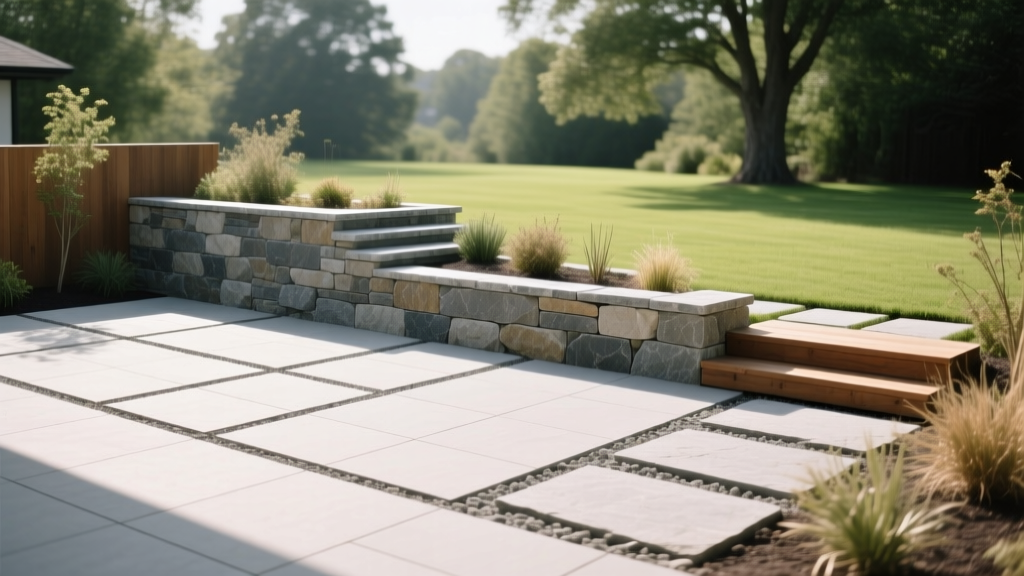
Hardscaping Costs: Budgeting Patios And Retaining Walls
Emily WatsonPublished
Introduction to Hardscaping Investments
When planning a comprehensive landscape renovation, homeowners must carefully balance the living elements of their yard with the structural components. Hardscaping refers to the inanimate, non-living features of your landscape design, such as paver patios, retaining walls, stone walkways, and pergolas. Unlike softscaping (plants, grass, and mulch), which requires ongoing seasonal maintenance and replacement, hardscaping provides a permanent foundation for your outdoor living spaces. However, this permanence comes with a higher upfront financial investment. Understanding the true costs of hardscaping projects is essential for creating a realistic budget, avoiding unexpected expenses, and ensuring a high return on investment when it comes time to sell your home. This comprehensive pricing guide breaks down the material costs, labor rates, and hidden expenses associated with the most popular hardscaping projects in 2024.
The True Cost of Paver Patio Installation
Paver patios remain the most sought-after hardscaping feature due to their durability, aesthetic versatility, and ease of repair compared to poured concrete. The cost of installing a paver patio typically ranges from $15 to $35 per square foot, depending on the material chosen and the complexity of the design. A standard 200-square-foot patio will generally cost between $3,000 and $7,000 for professional installation.
Material Breakdown
- Concrete Pavers: The most budget-friendly option, costing $4 to $10 per square foot for materials. High-density concrete pavers from reputable manufacturers offer excellent interlocking strength and come in various shapes and colors.
- Natural Stone (Flagstone or Bluestone):strong> A premium choice that costs $15 to $30 per square foot for materials alone. Natural stone requires more skilled labor to fit and level, driving up the total installation price.
- Porcelain Pavers: An emerging luxury option costing $10 to $20 per square foot. Porcelain is highly resistant to staining, fading, and frost damage, making it ideal for harsh climates.
Base Preparation and Labor
Many homeowners are shocked to learn that the materials you see on the surface represent only a fraction of the total cost. A proper hardscape base is critical to preventing settling, frost heave, and drainage issues. A professional installation requires excavating 7 to 9 inches of topsoil, followed by the installation of a 4-to-6-inch layer of compacted crushed gravel (Class II road base) and a 1-inch layer of coarse bedding sand. Labor and base materials account for roughly 50% to 60% of your total patio budget. Skimping on base preparation is the most common cause of hardscape failure, leading to costly repairs down the line.
Retaining Wall Costs: Engineering and Aesthetics
Retaining walls serve a dual purpose: they prevent soil erosion, manage drainage, and create usable, level terraces in sloped yards. The cost of a retaining wall is calculated by the square foot of the exposed wall face, not the length of the wall. On average, professional retaining wall installation costs between $25 and $50 per square foot of face.
Wall Height and Engineering Requirements
The height of your retaining wall drastically impacts the price due to engineering and reinforcement requirements. Walls under 3 feet tall are generally considered "gravity walls" and rely on their own weight and a slight backward lean (batter) to hold back soil. These are less expensive to build. However, walls exceeding 4 feet in height require structural engineering, permits, and the installation of geogrid—a synthetic mesh material that is layered into the wall and anchored deep into the compacted backfill soil. Geogrid reinforcement adds $5 to $10 per square foot to the project but is legally and structurally mandatory for tall walls to prevent catastrophic collapse.
Material Options for Retaining Walls
- Segmental Retaining Wall (SRW) Blocks: Concrete blocks with a lip or pin system, costing $10 to $20 per square foot for materials. They are modular, highly durable, and relatively fast to install.
- Natural Stone Boulders: Large limestone or granite boulders cost $15 to $25 per square foot. Installation requires heavy machinery, such as a skid steer or excavator, which adds to the hourly equipment rental fees.
- Treated Timber: While initially cheaper ($10 to $15 per square foot), timber walls have a significantly shorter lifespan due to rot and are generally not recommended for long-term landscaping investments.
Hardscaping Cost Comparison Table
To help you visualize your landscaping budget, refer to the comparison chart below detailing average installed costs, lifespans, and maintenance requirements for common hardscape features.
| Hardscape Feature | Average Installed Cost (per sq. ft.) | Expected Lifespan | Maintenance Level |
|---|---|---|---|
| Concrete Paver Patio | $15 - $25 | 25 - 50+ Years | Low |
| Natural Stone Patio | $25 - $45 | 50+ Years | Low |
| SRW Retaining Wall | $25 - $40 | 50+ Years | Very Low |
| Flagstone Walkway | $20 - $35 | 50+ Years | Low |
| Gravel Pathway | $3 - $7 | 10 - 15 Years | High (Raking/Refilling) |
Hidden Costs in Hardscape Projects
When requesting quotes from landscape contractors, ensure you ask about the "hidden" costs that rarely appear in the initial estimate. Excavation and soil removal are major budget considerations. Digging out a patio or wall trench generates a massive volume of heavy, wet soil. Contractors typically charge $50 to $100 per dump truck fee to haul away excess dirt. If your property has poor access, requiring wheelbarrows to move the soil to the street, labor costs will increase significantly.
Additionally, utility marking and permits must be factored in. Calling 811 to mark underground utilities is free and mandatory, but pulling local municipal building permits for large patios or walls over 4 feet can cost anywhere from $100 to $500 depending on your local zoning laws. Finally, integrating drainage solutions, such as French drains or catch basins behind retaining walls, will add $1,000 to $3,000 to your total project cost but is vital for protecting your investment from hydrostatic pressure.
Sustainable Drainage and Permeable Pavers
As municipalities become stricter regarding stormwater runoff, many homeowners are turning to permeable hardscaping solutions. Traditional patios shed 100% of rainwater onto the lawn, which can cause erosion and flood basement foundations. Permeable pavers are designed with wider joints filled with crushed stone rather than sand, allowing water to percolate through the surface and into a specialized, highly porous gravel base below. According to research published by Penn State Extension, permeable pavements are highly effective at reducing stormwater runoff volume, filtering pollutants, and recharging local groundwater tables. While permeable paver systems cost roughly 15% to 20% more upfront than traditional systems due to the specialized base aggregate and precise installation requirements, they can save homeowners money by eliminating the need for separate underground drainage piping and dry wells.
Long-Term Maintenance and Environmental Impact
One of the primary financial benefits of hardscaping is the drastic reduction in long-term maintenance costs compared to softscaping. While a lawn requires weekly mowing, seasonal aeration, fertilization, and constant watering, a paver patio only requires occasional sweeping and an annual application of polymeric sand to lock the joints and prevent weed growth. Sealing your concrete pavers every 3 to 5 years ($1 to $2 per square foot) will protect against UV fading and oil stains, extending the life of the installation.
Furthermore, integrating sustainable hardscaping practices aligns with broader environmental goals. The Environmental Protection Agency (EPA) highlights that incorporating green infrastructure principles—such as using permeable pavements and directing hardscape runoff into rain gardens—helps communities manage stormwater, reduce the urban heat island effect, and protect local waterways from pollution. By designing your hardscape to work with the natural hydrology of your yard, you minimize the need for expensive, engineered drainage corrections in the future.
Tips for Phasing Your Hardscape Budget
If the total cost of your dream outdoor living space exceeds your current budget, consider phasing the project. Start with the "messy" infrastructure first. Have a contractor excavate the entire area, install all underground drainage, electrical conduits for future lighting, and gas lines for a fire pit or outdoor kitchen all at once. Lay the base gravel for the entire footprint. You can then phase the installation of the pavers, retaining walls, and pergolas over two or three years as funds become available. This approach prevents you from having to pay a crew to dig up a newly finished patio a year later just to run a gas line or install a French drain. Proper planning, realistic budgeting, and an understanding of material costs will ensure your hardscaping project adds lasting value, functionality, and beauty to your home.

