
Landscaping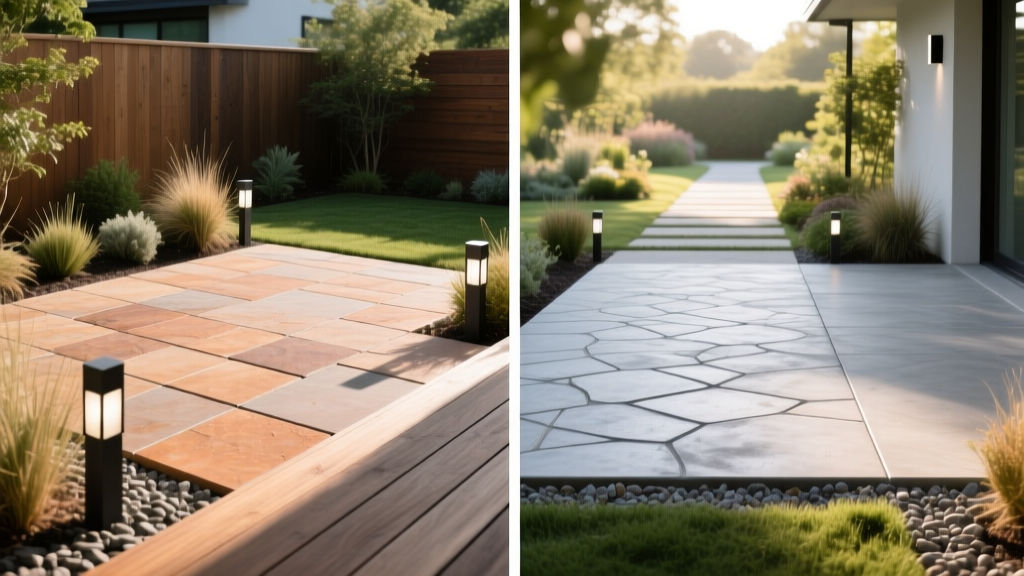
Hardscaping Costs: Paver Patios vs. Stamped Concrete Pricing
David ParkPublished
Introduction to Hardscaping Investments
When planning an outdoor living space, hardscaping serves as the structural foundation of your landscape design. Whether you are looking to create a cozy patio for evening gatherings, a durable walkway to improve curb appeal, or a sprawling entertainment area, choosing the right material is critical for both your immediate budget and long-term property value. Two of the most popular choices for modern landscaping projects are interlocking paver patios and stamped concrete. Both offer stunning aesthetic versatility, mimicking natural stone, brick, or slate, but they come with distinctly different pricing structures, installation requirements, and maintenance profiles.
In this comprehensive lawn care and landscaping cost guide, we will break down the true expenses associated with paver patios and stamped concrete. By examining material costs, labor rates, hidden site-preparation fees, and long-term maintenance, you will be equipped to make an informed decision that aligns with your landscaping budget and sustainable design goals.
The True Cost of Paver Patios
Paver patios are renowned for their flexibility, durability, and classic aesthetic appeal. Unlike poured concrete, pavers are individual units made from concrete, clay, or natural stone, laid over a compacted base of gravel and sand. This interlocking system allows the patio to shift slightly with the freeze-thaw cycles of the earth without cracking.
Material Pricing Breakdown
The cost of paver materials varies wildly based on the type of stone you select:
- Concrete Pavers: The most budget-friendly option, typically ranging from $3 to $8 per square foot. They are manufactured in a vast array of colors and shapes.
- Clay Brick Pavers: Offering a traditional, timeless look, clay pavers cost between $6 and $12 per square foot. They retain their color exceptionally well under heavy UV exposure.
- Natural Stone Pavers: Premium options like bluestone, travertine, or flagstone range from $10 to $25+ per square foot, providing an unmatched, high-end luxury aesthetic.
Base Preparation and Installation Labor
The secret to a durable paver patio lies beneath the surface. A proper installation requires excavating 8 to 10 inches of soil, laying a geotextile fabric to prevent weed growth and soil migration, and compacting a 6-inch base of Class II road base gravel. This is followed by a 1-inch layer of bedding sand and the pavers themselves. Finally, polymeric sand is swept into the joints and activated with water to lock the pavers together. Because this process is highly labor-intensive, expect to pay $8 to $15 per square foot for professional installation labor. According to the National Concrete Masonry Association (NCMA), proper base preparation and edge restraints are non-negotiable for preventing settling and spreading over time.
Stamped Concrete Pricing Breakdown
Stamped concrete is a continuous poured surface that is colored and textured with polyurethane mats to resemble more expensive materials like cobblestone, wood planks, or slate. It is often favored for its seamless look and lower initial labor costs compared to laying individual pavers.
Material and Stamping Costs
The price of stamped concrete is heavily dependent on the complexity of the design and the number of colors used:
- Basic Stamped Concrete: $8 to $12 per square foot. This includes a single stamp pattern and one integral color.
- Mid-Range Stamped Concrete: $12 to $18 per square foot. This tier incorporates multiple colors, antiquing releases, and more intricate border designs.
- High-End Custom Concrete: $18 to $25+ per square foot. This involves custom scoring, hand-carved details, and premium sealers for a hyper-realistic stone appearance.
Concrete Mix and Sealing Requirements
For exterior flatwork, contractors should use a minimum 4000 PSI air-entrained concrete mix to withstand freezing temperatures. After the concrete cures, it must be sealed with an acrylic or polyurethane sealer to protect the color and resist moisture penetration. Sealing adds approximately $0.50 to $1.00 per square foot to the initial project cost and must be reapplied every two to three years.
Hardscaping Cost Comparison Table
To help you visualize the financial differences between these two landscaping staples, review the side-by-side comparison below:
| Feature | Paver Patio | Stamped Concrete |
|---|---|---|
| Material Cost (per sq. ft.) | $3 - $25 | $4 - $8 (Mix & Color) |
| Labor & Installation (per sq. ft.) | $8 - $15 | $5 - $12 |
| Total Average Cost (per sq. ft.) | $14 - $25 | $10 - $18 |
| Expected Lifespan | 25 - 50+ Years | 20 - 30 Years |
| Repair Difficulty | Low (Replace single units) | High (Patches are visible) |
| Snow Removal Safety | Safe (No sharp edges) | Requires care (Avoid metal blades) |
Hidden Landscaping Costs to Anticipate
When budgeting for hardscaping, homeowners frequently overlook the site-specific variables that can inflate the final invoice. Always request a detailed, line-item quote from your landscape contractor that addresses the following potential hidden costs:
Excavation, Grading, and Hauling
If your yard features a significant slope, or if the soil is heavily compacted clay or full of large tree roots, excavation costs will rise. Hauling away heavy debris and importing clean fill dirt or gravel can add $500 to $2,000 to your project, depending on local dump fees and the accessibility of your backyard for heavy machinery.
Drainage Solutions and Permeability
Improper drainage can destroy a hardscape investment by causing soil erosion, frost heave, or flooding near your home's foundation. Integrating French drains, channel drains, or dry creek beds into your patio design may add $1,000 to $3,000 to the project. For those interested in sustainable landscaping practices, permeable pavers are an excellent alternative. As noted by the University of Minnesota Extension, permeable paver systems utilize specialized jointing gravel and deep stone reservoirs to allow stormwater to infiltrate the ground naturally, reducing runoff and filtering pollutants. However, permeable systems require deeper excavation and specialized base materials, increasing the total installation cost by 15% to 20%.
Sustainable Landscaping and Environmental Impact
Modern landscape design increasingly prioritizes environmental stewardship. Traditional stamped concrete creates a large, impermeable surface that contributes to urban heat island effects and stormwater runoff. The Environmental Protection Agency (EPA) strongly advocates for green infrastructure techniques, including permeable pavements, to manage stormwater at its source. By choosing permeable pavers or incorporating surrounding rain gardens into your patio design, you not only protect local waterways but may also qualify for local municipal rebates or stormwater fee reductions. While stamped concrete is less eco-friendly in terms of water permeability, its raw materials (limestone, clay, and aggregates) are abundant, and concrete can be recycled at the end of its lifespan.
Long-Term Maintenance and ROI
The initial price tag is only one half of the financial equation; long-term maintenance and Return on Investment (ROI) complete the picture.
Paver Maintenance: Pavers require occasional re-sanding of the joints every 3 to 5 years to maintain their interlocking strength and prevent weed growth. If a paver cracks or stains, you can simply pry it up and replace it for a few dollars. This modularity makes pavers highly resilient against ground settlement and tree root intrusion.
Concrete Maintenance: Stamped concrete requires strict adherence to a resealing schedule. If the sealer wears away, moisture can penetrate the pores, leading to spalling, flaking, and color fading during winter freezes. Furthermore, when concrete inevitably cracks due to ground shifting or heavy loads, the repair is highly visible and often requires replacing entire slabs, which is costly and disruptive.
Return on Investment: Both paver patios and stamped concrete yield excellent ROI, often recouping 70% to 80% of their cost in added home equity. However, real estate appraisers and buyers often view natural stone or high-end concrete pavers as a premium, permanent landscape feature, whereas aging or cracked stamped concrete can be viewed as a liability that requires immediate renovation.
Conclusion: Choosing the Right Hardscape for Your Budget
Ultimately, the choice between a paver patio and stamped concrete comes down to your immediate budget, your tolerance for maintenance, and your long-term landscaping goals. Stamped concrete is generally the more cost-effective choice upfront for large, simple areas where a seamless aesthetic is desired. Conversely, paver patios demand a higher initial investment but offer superior longevity, easier repairs, and eco-friendly permeable options that align with modern sustainable landscaping principles. By carefully weighing these costs and consulting with licensed landscape professionals, you can transform your outdoor space into a beautiful, functional, and valuable extension of your home.

